
Housing shortage or urbanism shortage?
For a number of very good reasons, there aren't enough walkable urban places to meet demand. Part 3 of a series on housing affordability.
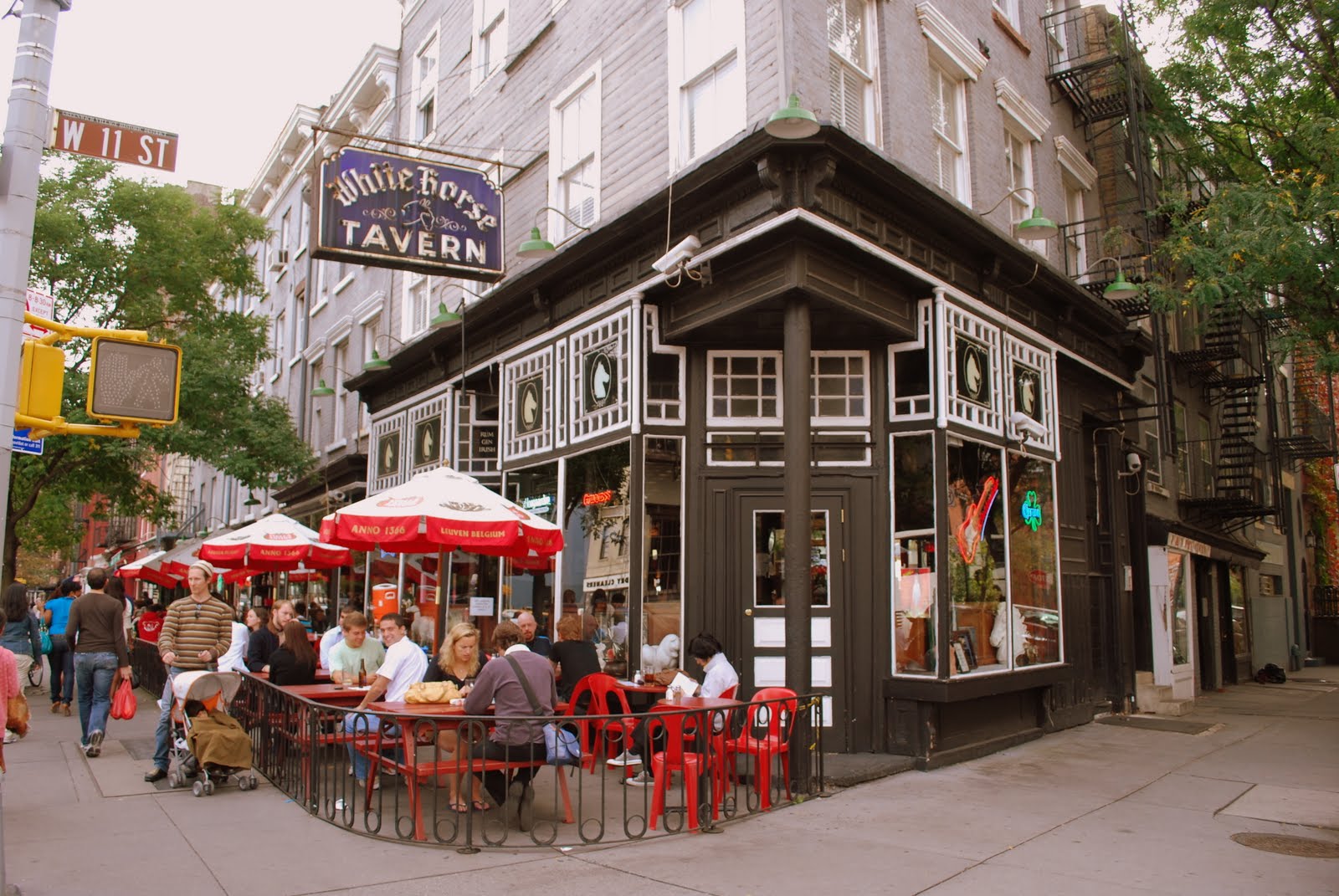
Greenwich Village, New York City. A lot of people enjoy this sort of thing.
(Source: www.http://millefiorifavoriti.blogspot.com)
In case you hadn't yet noticed, urban living is pretty hot right now. Preference surveys show and time again that a strong share of the overall American public would prefer to live in a walkable urban neighborhood than a suburban subdivision which caters only to the automobile. A majority still prefers suburban living, but the minority which craves city living is large and getting larger.
This trend is especially pronounced in younger people, indicating that it will probably be long-lasting. Millennials, the generation born between the early 1980s and the late 1990s, have than previous generations. By and large, they are much more inclined to gravitate toward city living and than their Baby Boomer parents. Many say they'd before their computers or cell phones.
The as described by economist Richard Florida also tend to . Artists, engineers, coders, musicians, designers, and other creative types are often more comfortable in the dense, stimulating, and sociable environment of urban neighborhoods. This is the primary reason for the fleets of from their homes in urban San Francisco to their jobs in suburban Silicon Valley.
Unfortunately, there isn't enough good urbanism to go around. In his groundbreaking book , real estate analyst Christopher Leinberger states that while 30% to 40% of market wants walkable urbanism, only 5% to 10% of the housing supply fits the bill. The gulf between the supply of urbanism and demand for urbanism is huge, and as a result healthy urban neighborhoods are generally insanely expensive.

There just isn't enough to go around. (Source: http://missgracieshouse.blogspot.com)
People are so hungry for urbanism, that Andres Duany (only half joking) that "if you put together three good blocks, you have a tourist attraction in America these days."
Why isn't there enough urbanism for those who want it? Prior to World War II, a great deal of wonderful urbanism was built. Not only were the big cities like New York, Chicago, and San Francisco full of it, but even small towns all across the nation had , , and .
Sadly, many of these great walkable urban places slipped into a terrible state of decay following the war due to , industrial decline, suburban-style zoning, devastating road building projects, superblocks, and urban renewal clearance. Despite the dramatic renaissance that some of these places have experienced in recent years, many more are still in a state of decay. Some are even being due to widespread abandonment. Despite having a lot of potential, problems such as weak economies and terrible blight prevent these patches of distressed urbanism from helping to satisfy the demand for city living.
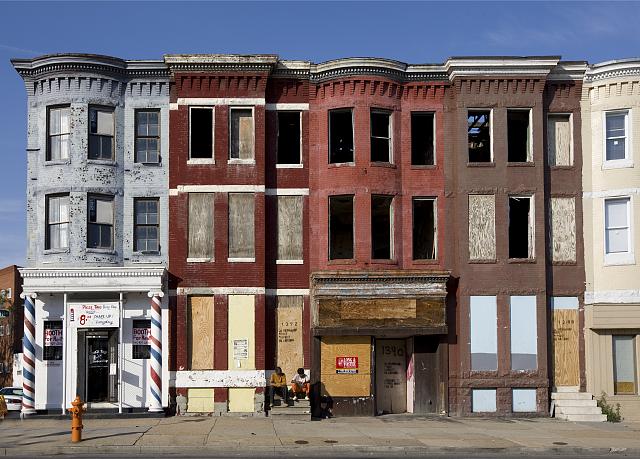
Technically this is urban, but it isn't currently satisfying any of the demand for urban living. (Source: www.changingmediagroup.com)
Meanwhile, almost all of what we built following World War II was car-oriented suburbia. Although much of it was badly designed and unnecessarily subsidized, there was a big demand for that lifestyle and there's nothing wrong with people being able to choose it. By and large, we have enough of it now, though. The hunger for suburban single-family housing is pretty well satiated, and some areas there is a glut, as new subdivisions sit nearly .
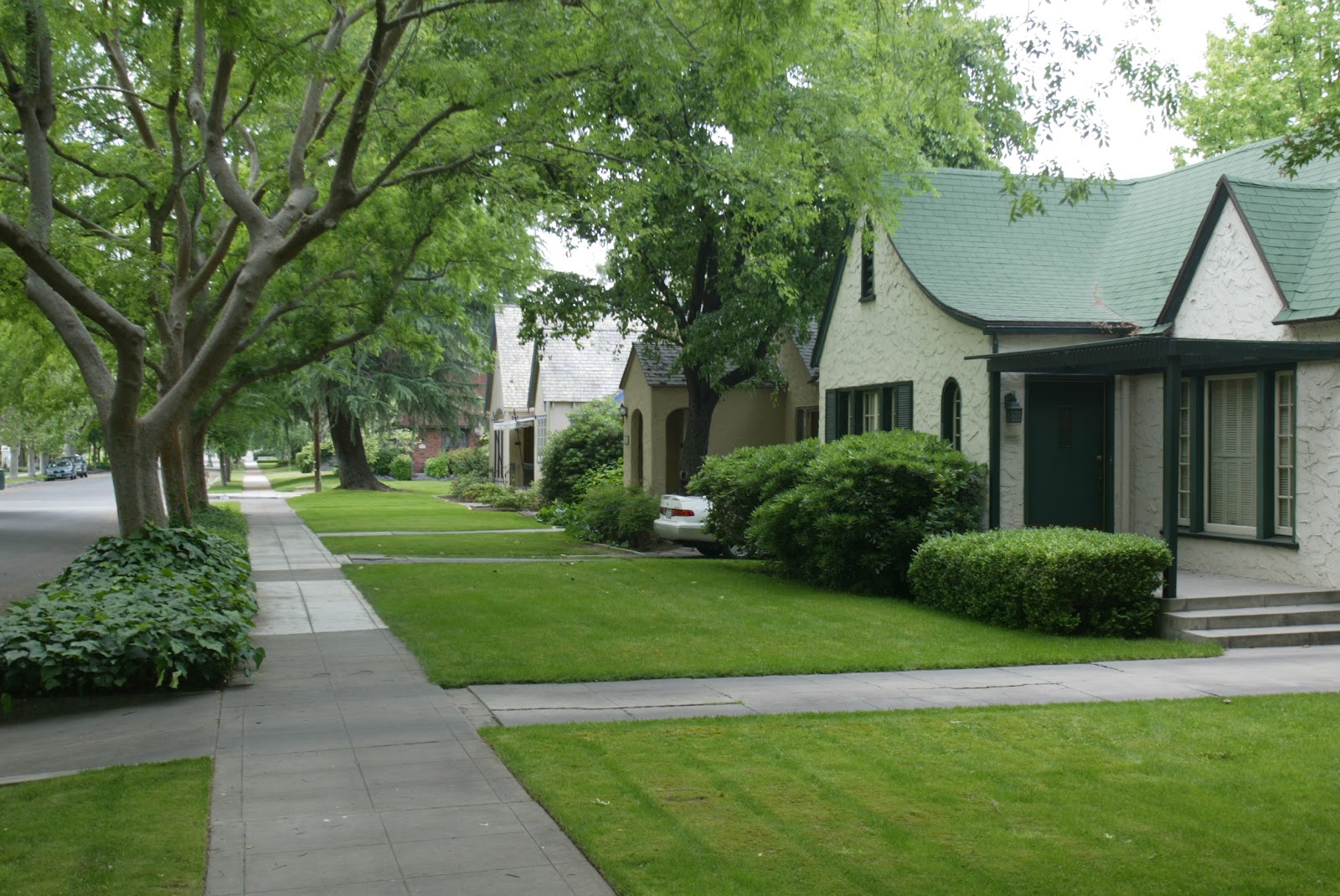
This is nice. But we have enough of it. (Source: Mark Crosse)
It seems like building quality urbanism for a badly underserved sector of the market would be a profitable venture... so why isn't more being built? Unfortunately, it is very difficult to catch up with this supply imbalance by creating more urbanism these days. Certainly, , but there many obstacles to urbanism being created in quantities large enough to satisfy the demand for it. The following are among the greatest challenges:
- Zoning. In much of the US, walkable urbanism is illegal. Strict regulations on building height, dwelling units per acre, floor area ratio, lot coverage, setbacks, and mixed uses make it difficult or impossible to get approval for a nice urban building. Even when local leaders are willing to consider good urban projects, hurdles such as variances, special exceptions, rezonings, comprehensive plan amendments, public hearings, and discretionary approvals must be overcome to move forward. This creates drawn out timelines, legal risk, and uncertainty that repel many developers.
- Environmental Regulations. Many of us want to be good stewards of the environment, but some of the regulations that are designed to serve that purpose are biased toward suburban patterns. Not only does this deprive a sector of the public from being able to attain the lifestyle of their choosing, but it doesn't benefit the environment. Examples include (LOS) thresholds for street intersections and policies which limit impervious surfaces on a lot-by-lot basis instead of a regional basis.
- Traffic Engineering Standards. Public spaces are one of the most important elements of successful urban areas, and streets are their most important public spaces. While they serve an important transportation function, . Unfortunately, some municipal public works departments and state highway departments aren't concerned with that second function. As a result many important streets are inhospitable places for pedestrians, making urban life along them an undesirable proposition.
- NIMBYs. We live in a democracy, and people certainly have a right to have a say in how their towns grow and change. However, after 60 years of bad changes people have grown weary, and some are reflexively . This doesn't cause much trouble for suburban development, because on the outskirts of the city there aren't many folks around to protest. Most of the new walkable urbanism being created is within areas that are already inhabited, and the neighbors often oppose projects whether they are good or not.

Urbanism is the one in the red. (Source: The New York Times)
So, we have a housing shortage, and an urbanism shortage. They feed off of each other, and exacerbate each other. As soon as a nice new walkable urban area is created, or as soon as a troubled urban area is improved by or , people flock there and it becomes unbearably expensive. An amount of housing that might normally be adequate for such a neighborhood becomes inadequate, because these neighborhoods not only have to support their own "natural" housing demand, but they also need to supply urbanism for all of the people who can't get it in their home town.
Places like New York, Boston, Washington, and San Francisco suffer from this phenomenon. They provide quintessential urban living, and people from regions that only offer suburban living (which is to say most regions) must move there to live the way they want to live. This makes tight housing markets even tighter. Offering great urban living in places like Silicon Valley would not only help tech workers avoid long commutes, but would , too. A vibrant downtown in Detroit would take some of the pressure off of New York.
Building more ranch houses on the outskirts of the metropolitan area won't help. We need the right type of housing (urbanism) in the right places (traditional downtowns and transportation corridors). I have no interest in forcing people who prefer suburbia to live in urban areas, but it makes no sense that we are doing the reverse. People who live in urban areas walk more, drive less, use less energy, use less water, pollute less, require less infrastructure, and take up less space. Why would we want to block people who want to live that way? Let's expand consumer choice, protect the environment, and improve housing affordability by creating vibrant urban neighborhoods in every region of the country.
This is Part 3 in a 6 part series.
Dan Zack is Downtown Development Coordinator for Redwood City, California. This article first appeared on , his website.
For more in-depth coverage:
• to Better! Cities & Towns to read all of the articles (print+online) on implementation of greener, stronger, cities and towns.
• Get , packed with more than 800 informative photos, plans, tables, and other illustrations, this book is the best single guide to implementing better cities and towns.
Comments