Let's take a look at 15 of Italy's top cities to help you organise your itinerary: what to visit in each and where to go nearby.
Although most tourists stick to Rome, Venice, Florence and Milan, there are many, many more cities in Italy with a huge heritage.
In this article I am not only going to name the main cities of Italy, but also beautiful places that are nearby and that you can visit from them.
Of course, these are not all the tourist destinations in the country, but they will give you an excellent starting point for choosing what to visit on your next trip.
The best cities to visit in Italy
The cities are not ordered according to my favourites but geographically, dividing the country into three zones to make it easier for you to find your way around.
Cities in Northern Italy
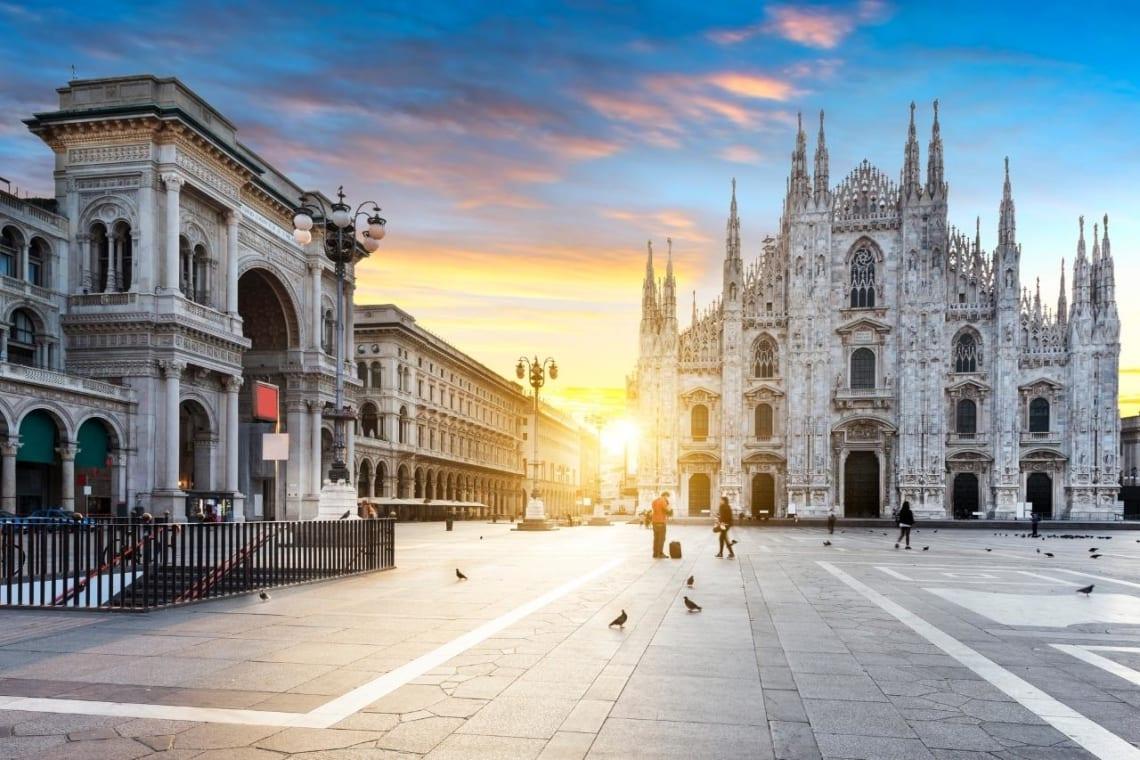
Milan
We begin our tour in the largest city in northern Italy and the second largest in the country.
Milan is known worldwide as the "fashion capital of the world" for being the birthplace of some of the most famous clothing brands such as Armani, Versace, Prada, Moschino and Dolce & Gabbana, and for the Milan Fashion Week, a trend-setting event every year.
The Galleria Vittorio Emanuelle (the country's oldest shopping gallery) is the essential place where they all have to have their business, so even if you're not planning to buy anything, a stroll through this place is to get to know part of the city's history.
Milan' s imposing Duomo (the city's cathedral) is just a few metres away, in the Piazza del Duomo.
Its gastronomic culture is another of Milan's legacies to the world, with delicacies such as "cotoletta alla milanese" (what we know simply as "milanesa", but made with veal ribs), "risotto giallo" (risotto with saffron), "panettone" (panettone bread) and "risotto with saffron" (risotto with saffron), the "panettone" (sweet bread), the fernet that we Argentines love so much, and the tradition of the "aperitivo", which has spread all over the country and which we told you about in our tips for cheap travel in Italy.
Speaking of food, it is clear that Italy is one of the best destinations for gastronomic tourism.
While in Milan, you can visit the famous Lake Como just outside the city.
Accommodation is quite expensive in Italy, but there is a way to travel without paying for accommodation, which will allow you to spend more time in each place if you don't have a fixed itinerary: volunteering.
On the Worldpackers platform there are volunteer placements all over Italy, where you can help out on a project for a few hours a day in exchange for accommodation and - depending on the agreement - food and other benefits such as discounts on activities.
Check out all the volunteer placements in Milan.
Venice
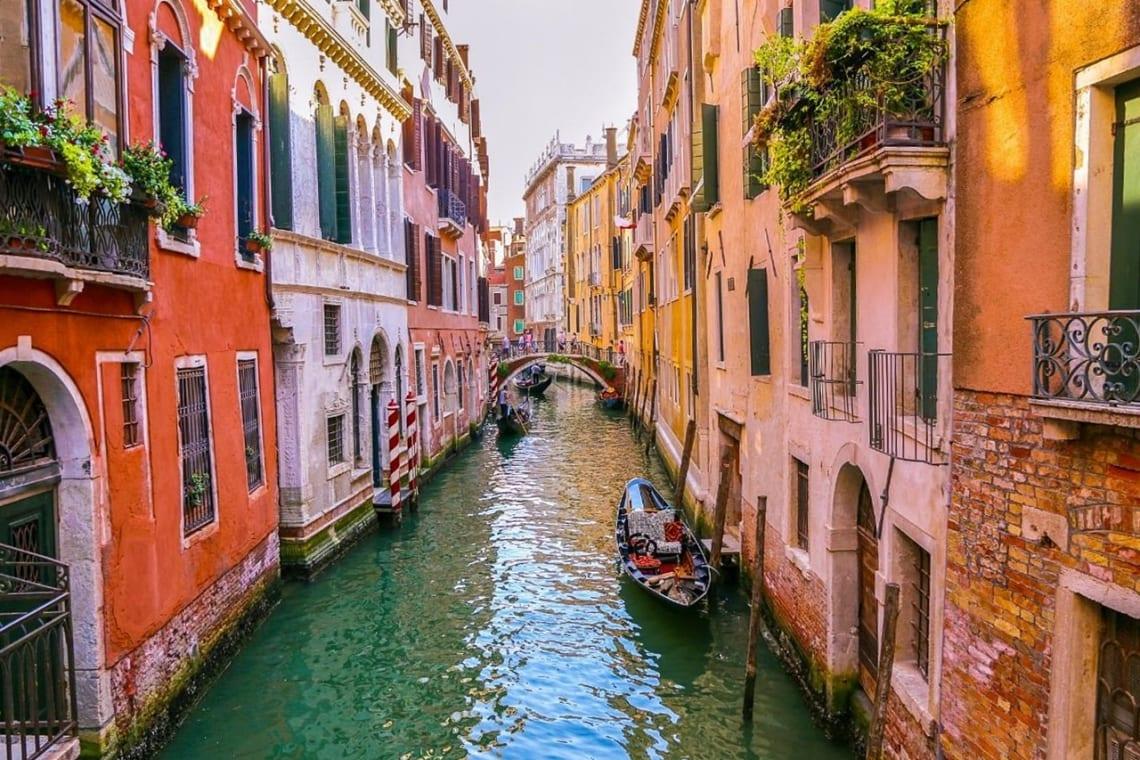
Venice is the tourist destination that is never missing on a first trip to Europe, the most photographed city in Italy and the one that you seem to have seen so many documentaries and tourist promotions that it seems like you've known it since before you arrived.
Made up of more than a hundred islets linked by bridges over a lagoon in the Adriatic Sea, the old part of Venice has no streets but canals, the most important of which is the Grand Canal that crosses the entire city, with centuries-old Gothic and Renaissance buildings on either side.
Piazza San Marco is the heart of Venice, and the islands of Murano (known for its glass handicrafts) and Burano (a 40-minute vaporetto ride away) are other must-sees.
As this is just an introduction, I recommend that you read The Mega Guide to visiting Venice on a budget and like a local.
Read about a traveller's experience volunteering in Venice.
Genoa
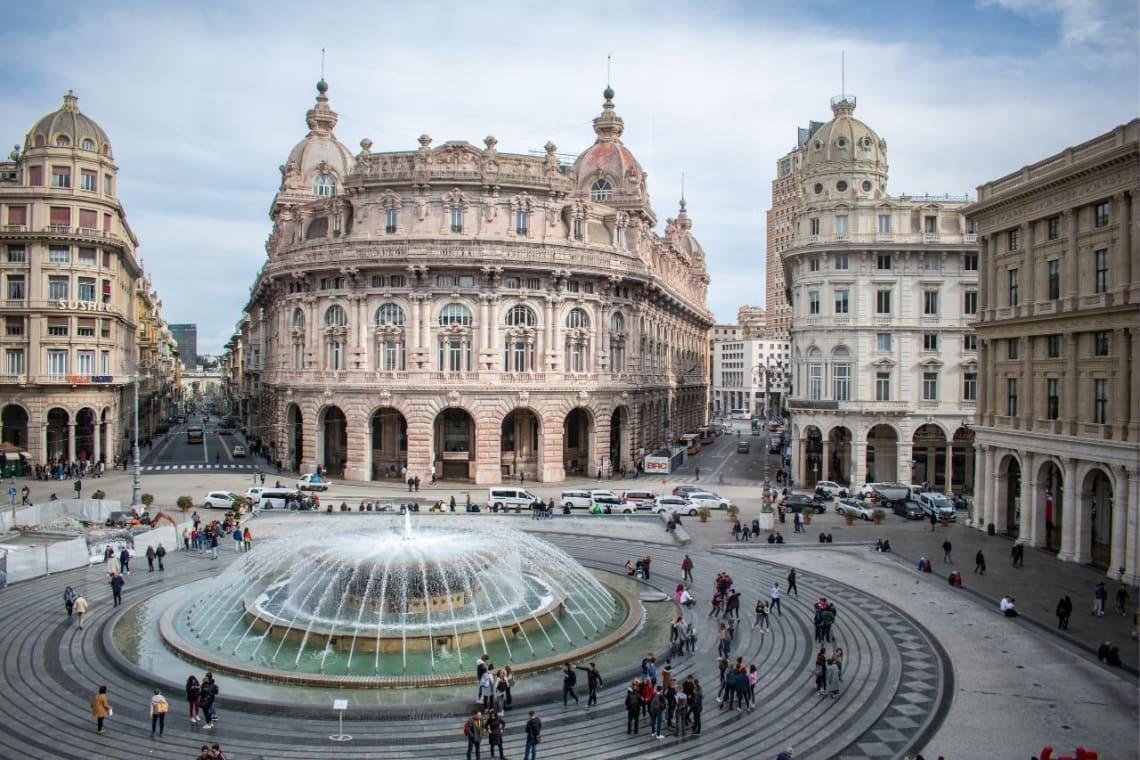
The capital of Liguria is one of the most important port cities in the world. Since its origins, its history has been linked to that of its port on the Ligurian Sea, becoming an independent state between 1096 and 1797.
Besides visiting Piazza De Ferrari, home to the Opera House and the Doge's Palace (the former residence of the Doges, the highest rulers during the time of the independent republic), and Piazza Dante, home to the house in which Christopher Columbus is said to have been born, Genoa is an excellent base for visiting destinations such as the famous little towns of Cinque Terre and nearby Portofino, with its pastel-coloured houses that look like something out of a fairy tale.
Spend some time getting to know the life of this historic city and its surroundings as part of a volunteer placement in Genoa.
Verona
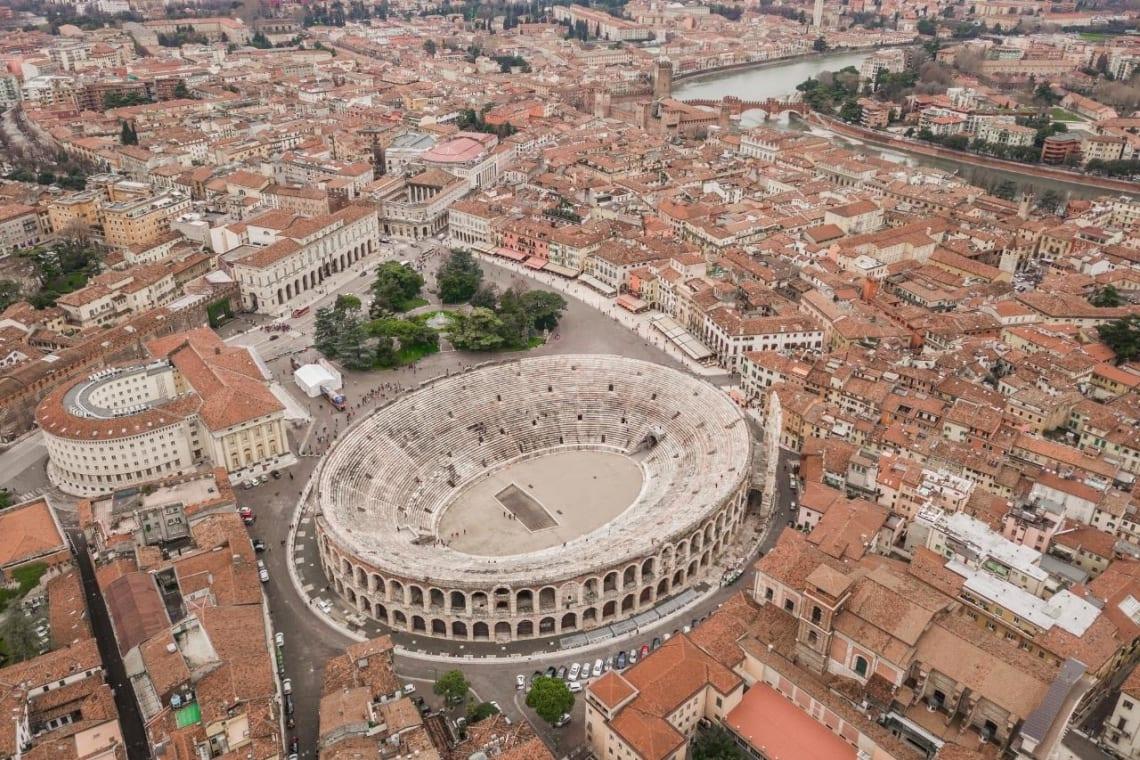
Walking through the city that inspired Shakespeare's most famous play, Romeo and Juliet, is a journey into medieval history.
Its historic quarter, formed on the banks of the Adige River, presents you with places like the Piazza delle Erbe, with its statue of the Veronese Madonna from 380; the Arena of Verona, one of the best preserved Roman amphitheatres; a theatre dating from the 1st century; and of course Juliet's house, a 13th century palace converted into a museum, where according to popular belief the novel is set, one of its balconies being the site of the most famous scene.
While in Verona, be sure to spend a day at Lago di Garda, just 30 kilometres away.
With volunteer opportunities in Verona you will be able to live in this fantastic destination, getting to know in depth its history and places that you would not be able to if you were just passing through.
Bergamo
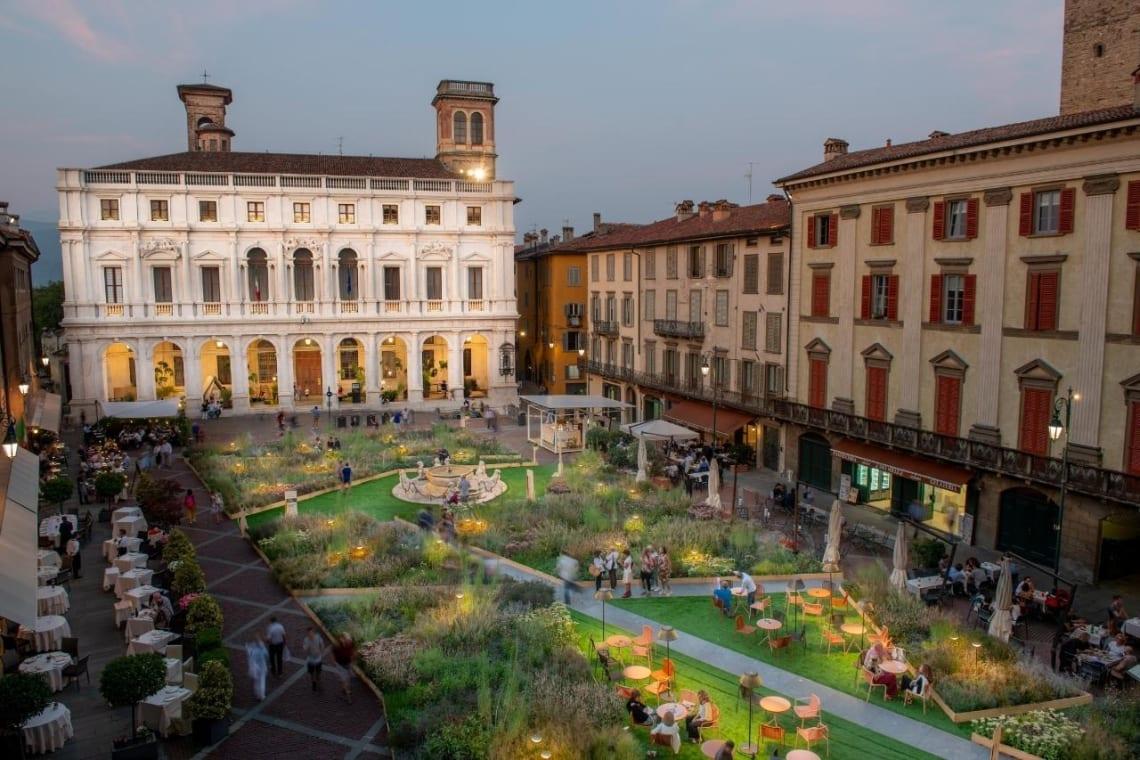
Divided between the Città Alta, located in the elevated area south of the Alps, and the Città Bassa, where the modern part is located, Bergamo is a city steeped in history, present in buildings that are still standing and being the cradle of historical events such as the entry of Garibaldi's troops, which put an end to the Austrian domination of the city in 1859.
It is in the elevated area where most of the buildings of greatest historical value are located, within the 16th century Venetian walls, making it one of the few Italian cities with a completely walled historic centre. One of the entrances to the wall is the Porta di Garibaldi (or Porta San Lorenzo), where the leader of the Italian unification campaign entered the city.
Among the cobblestone streets of this area you will also find the Duomo di Bergamo and the Basilica of Santa Maria Maggiore.
Find out about all the opportunities for volunteering in the Province of Bergamo.
Trieste
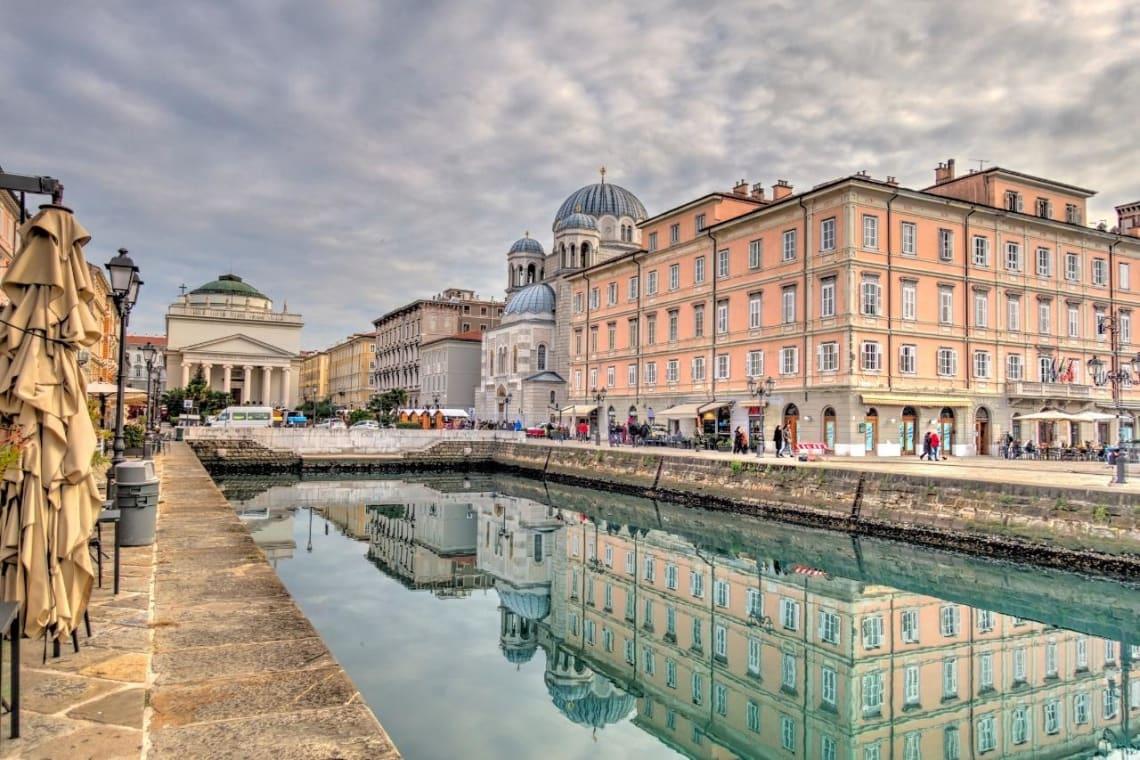
Located in the northeastern corner of Italy, between the Adriatic Sea and the Slovenian border where the Balkans are born, the cultural influences of the region make Trieste a completely different city in Italy from others you'll come across.
The best thing about visiting Trieste is that, as well as being a picturesque port city, you won't be surrounded by groups of tourists getting off the bus to take the typical photo, as it's not a classic itinerary destination. This gives it a much more authentic atmosphere, with its mix of Roman and Austrian architecture (it was part of the Austro-Hungarian Empire) and being a place where you'll clearly feel the transition to Eastern Europe.
Cities in central Italy
Bologna
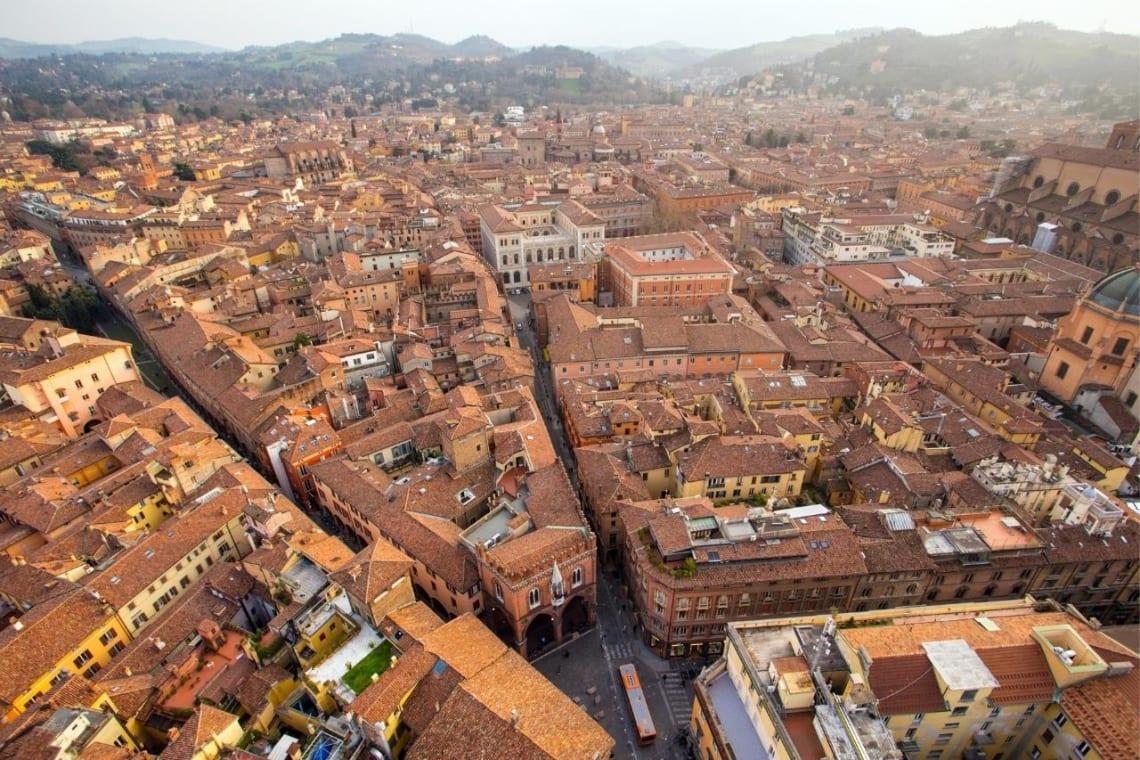
Known for being home to Europe's oldest university, Bologna is Italy's main student city, giving it a lively nightlife and party atmosphere amongst its historical heritage.
Bologna's most notable feature is its porticoes, forming roofed galleries that stretch for more than 40 kilometres and are recognised as World Heritage Sites. Some buildings, such as the Casa Isolani, still have their wooden porticoes like the original ones from the Middle Ages.
Its numerous towers are another Bolognese pride, the Two Towers (Asinelli and Garisenda) being the most important.
And of course, eating tagliatelle al ragù bolognese (flat noodles with Bolognese sauce) is a must when you are in the city where one of the most famous sauces in gastronomy was born.
Get to know the city like a local by volunteering in Bologna.
Florence
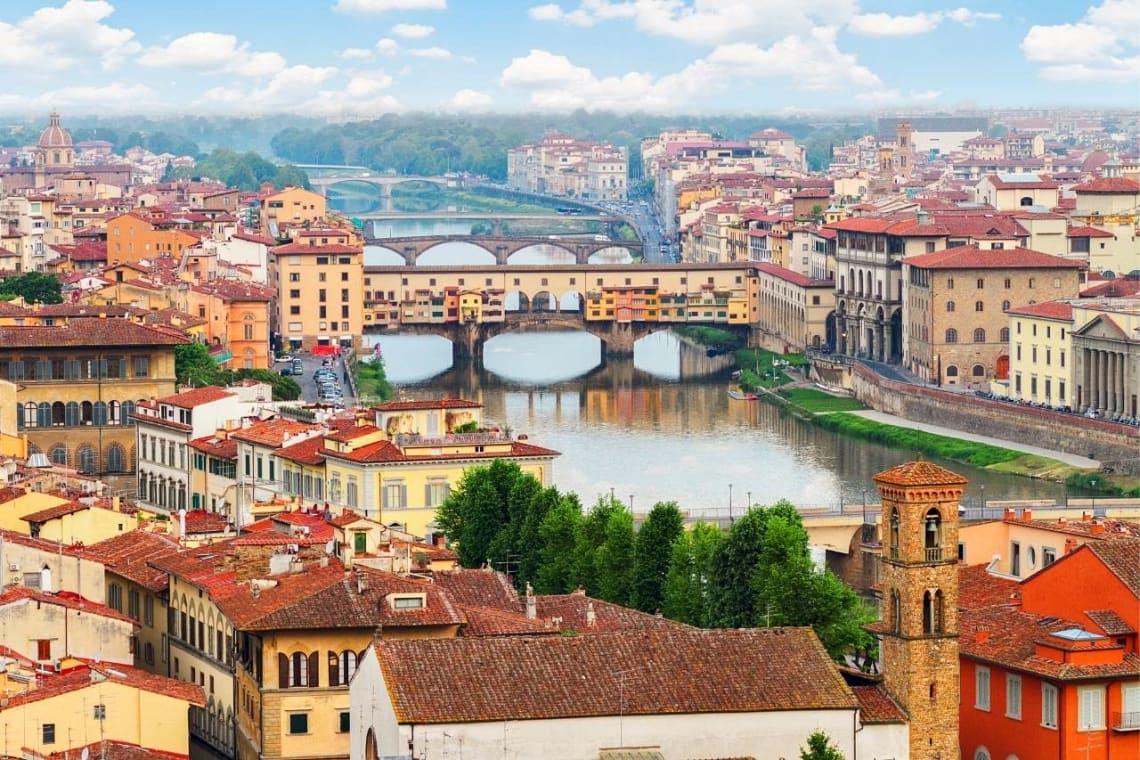
Another of Italy's top tourist destinations, Florence (Firenze) is one of the architectural, artistic and cultural jewels of the West.
Although not currently one of Italy's most influential cities in political and economic terms, Florence was the most important city in all of Europe between 1300 and 1500.
It was the birthplace of the Renaissance and neoclassical movements, of opera, of the Medici family, Michelangelo, Donatello, Botticelli, Leonardo, Amerigo Vespucci, Dante Allighieri, promoters of the use of languages other than Latin in literature (the Tuscan language spoken in Florence gave birth to Italian), and so on, because no one had as much influence on the visual arts as the Florentines, neither before nor after their period of splendour. In 1300, Pope Boniface VIII said that Aristotle was wrong, because the universe was made of five elements, not four: earth, air, fire, water and Florentine.
Two of the most important art galleries in the world are here: Uffizi and Palazzo Pitti; the Bargello and dell'Opera del Duomo museums, with a magnificent collection of original sculptures by the greatest Florentine artists; and the Accademia, home to Michelangelo's David; among so many other places, are just a sign that visiting Florence is a trip to the city of the arts.
Live in one of the most inspiring cities in the world by volunteering in Florence.
And plan your trip with the guide on What to see in Florence: the best things to visit in one, two or more days.
Pisa
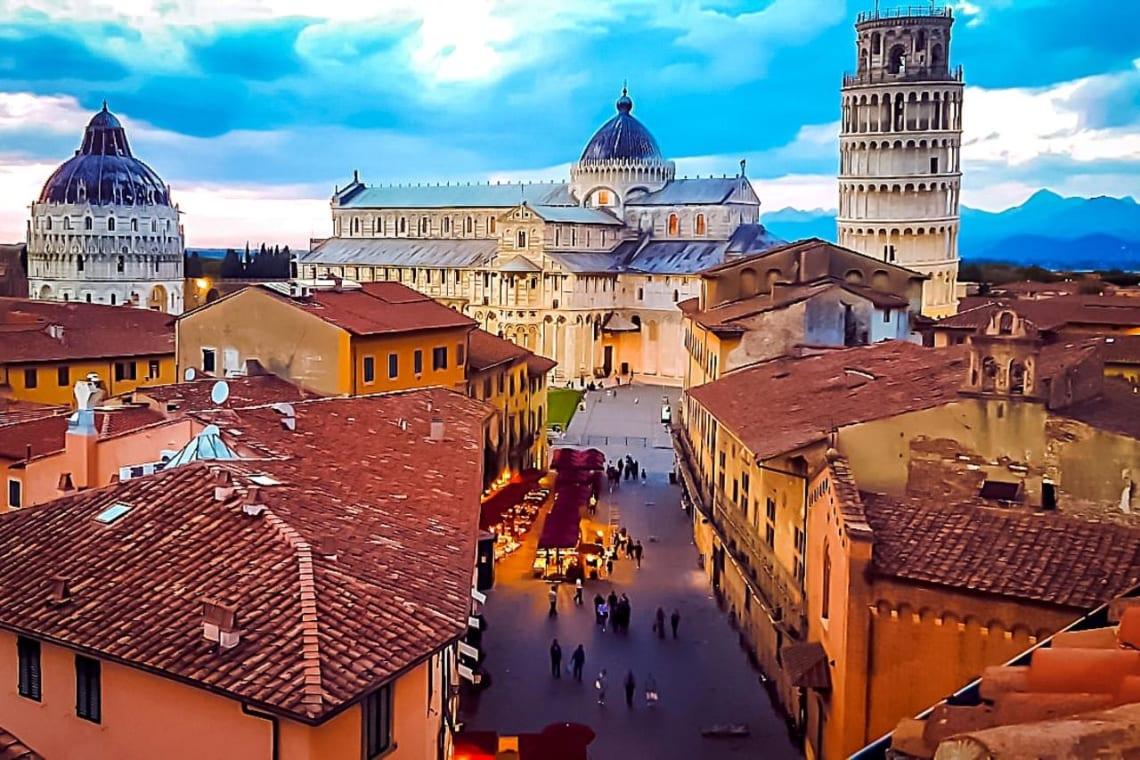
If I tell you that the bell tower of the Cathedral of Pisa is the place where most tourists visit this Italian city, you'll probably think I'm saying anything, but that's exactly what the famous leaning tower is.
From the beginning of its construction in 1173, the tower began to lean because the ground was too soft for so much weight. In 1990 it reached its maximum tilt of 5.5°, until it managed to reduce the tilt by a few degrees and stabilise it for the first time in its history in 2008, after 20 years of work.
Although tour groups on tight itineraries only pass by to have their photo taken as if they were holding the tower in their hands, Pisa has many more architectural wonders. The buildings surrounding the Piazza dei Cavalieri are one example.
Like Bologna, Pisa is another university town, in fact the University of Pisa has about 50.000 students in a city of less than 100.000.
See much more than the leaning tower by spending some time volunteering in Pisa.
Rome
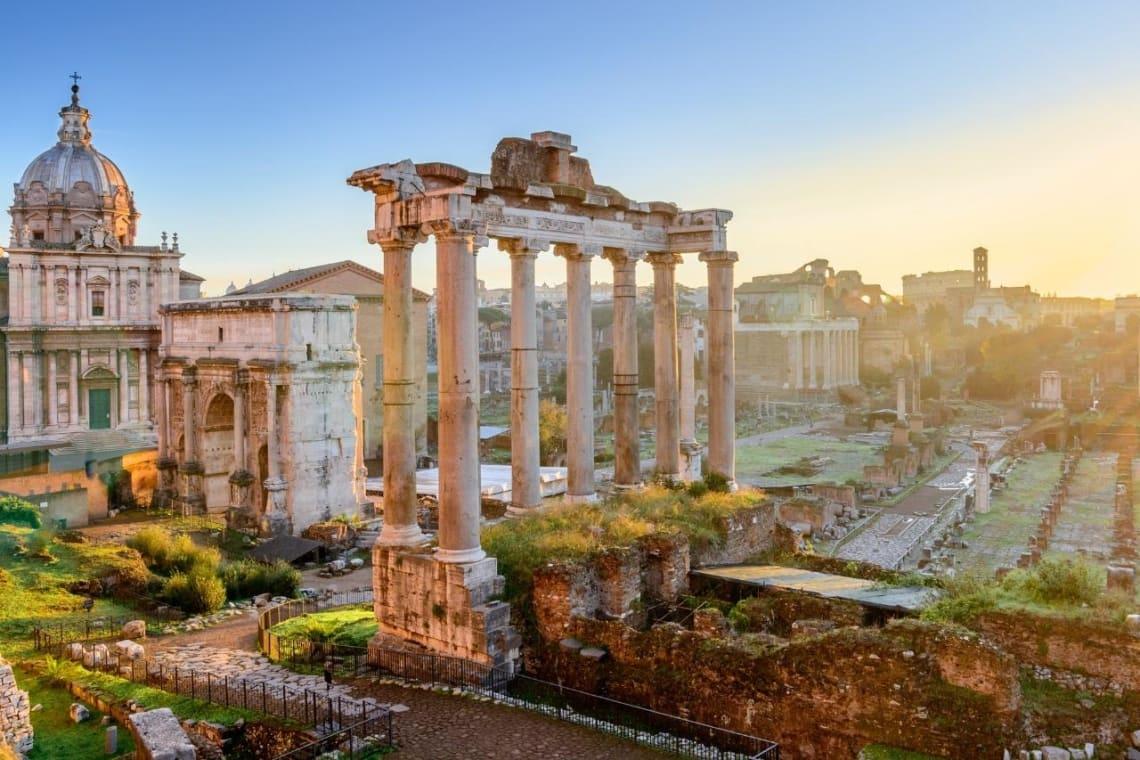
As the Italian capital, the heart of one of the most powerful empires that ever existed, and one of the most culturally influential cities in history, Rome is not just a city, but a city-museum-archaeological site, because at all times you will be surrounded by historical artefacts.
The Colosseum, the Venezia and Campo de' Fiori squares, the Trevi Fountain, the Pantheon, the Vatican and hundreds of other places make Rome one of the most visited destinations in the world. To plan your trip, be sure to read The ultimate guide to exploring Rome like a local.
And if you'd like to spend some time in "The Eternal City", check out the possibility of volunteering in Rome.
Cities in Southern Italy
Naples
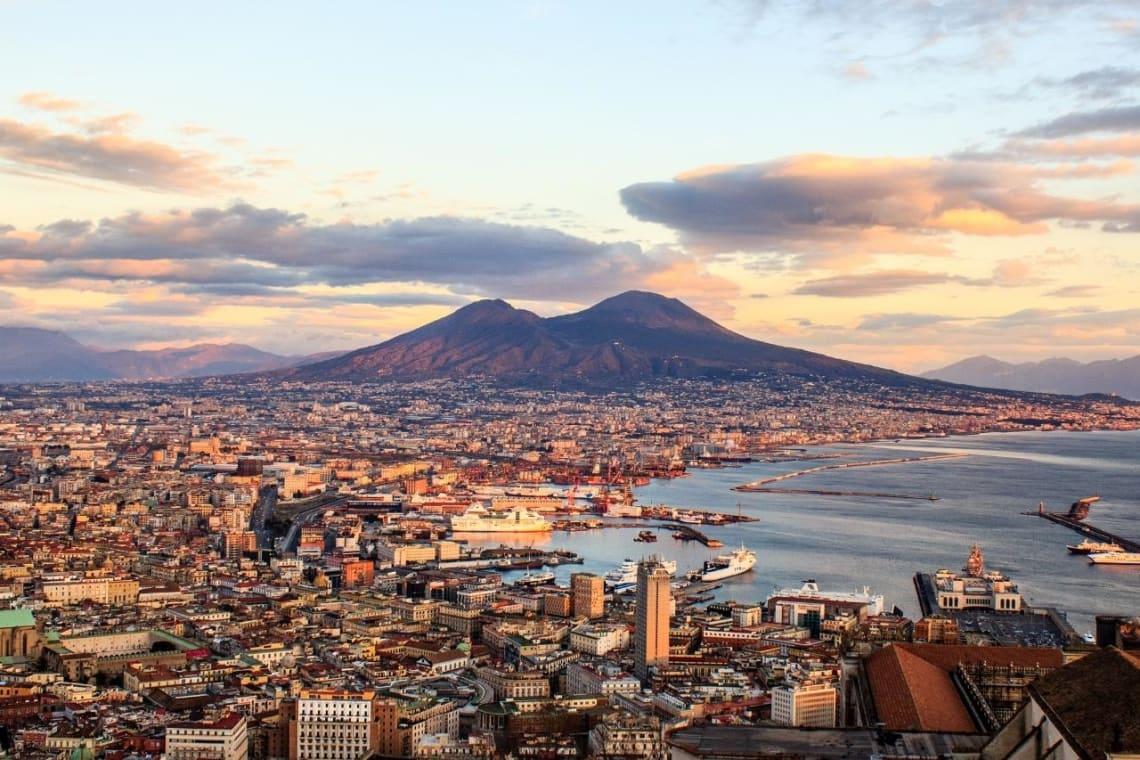
To name Naples is to think of congested streets, clothes hanging on ropes from balcony to balcony, screaming people, Maradona fanaticism, pizza and mafia, but there is much more to Naples than these stereotypes.
Naples has the most protected historic centre in the world, with a total of 448 protected sites.
And if the chaos of Naples has tired you out, don't stress, because you're just a few kilometres away from getting completely away from its noise and into the villages of the Amalfi Coast.
After a stop in Pompeii (Pompei), a place that was left under the ashes after the eruption of the Vesuvius volcano, you will arrive in Sorrento. This is where the Amalfi Coast begins, extending for sixty kilometres to Salerno. The route is short, but loaded with gems such as the towns of Sorrento, Positano, Amalfi and Ravello. If your budget allows, you can also add stops on the islands of Capri and Ischia.
This is one of the top 10 road trips that every backpacker should do at least once.
There are also several volunteering trips in Naples to take part in.
Bari
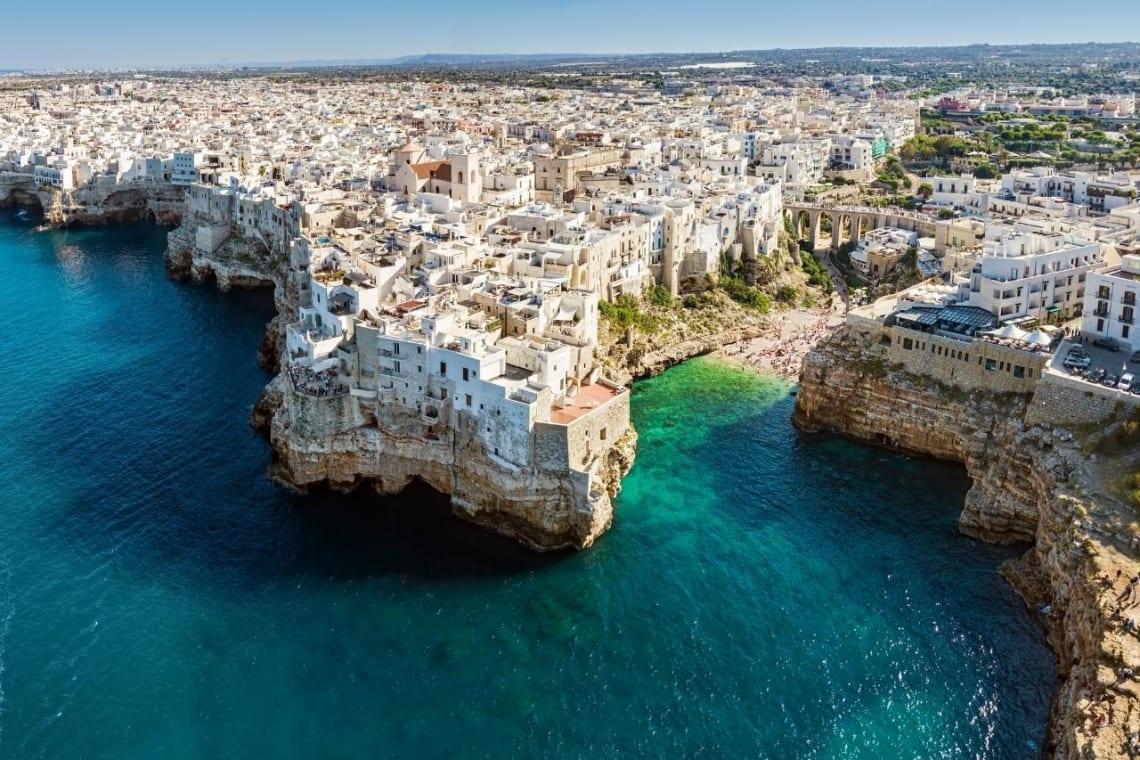
Located on the Adriatic coast, Bari is one of Italy's top beach destinations. In addition to sand and sun, Bari' s historic centre retains many of its medieval buildings.
It is also a gateway to/from other destinations, connected by boat to Croatia, Montenegro, Albania and Greece.
Alberobello, the town of trulli (white stone houses with conical roofs) is about 50km from Bari, which is a full-day trip you shouldn't miss.
And if you head south along the coast for about 35 km, you'll come to the picture-postcard beach of Polignano a Mare (pictured above), a cove formed by the inlet of the sea on land.
Matera
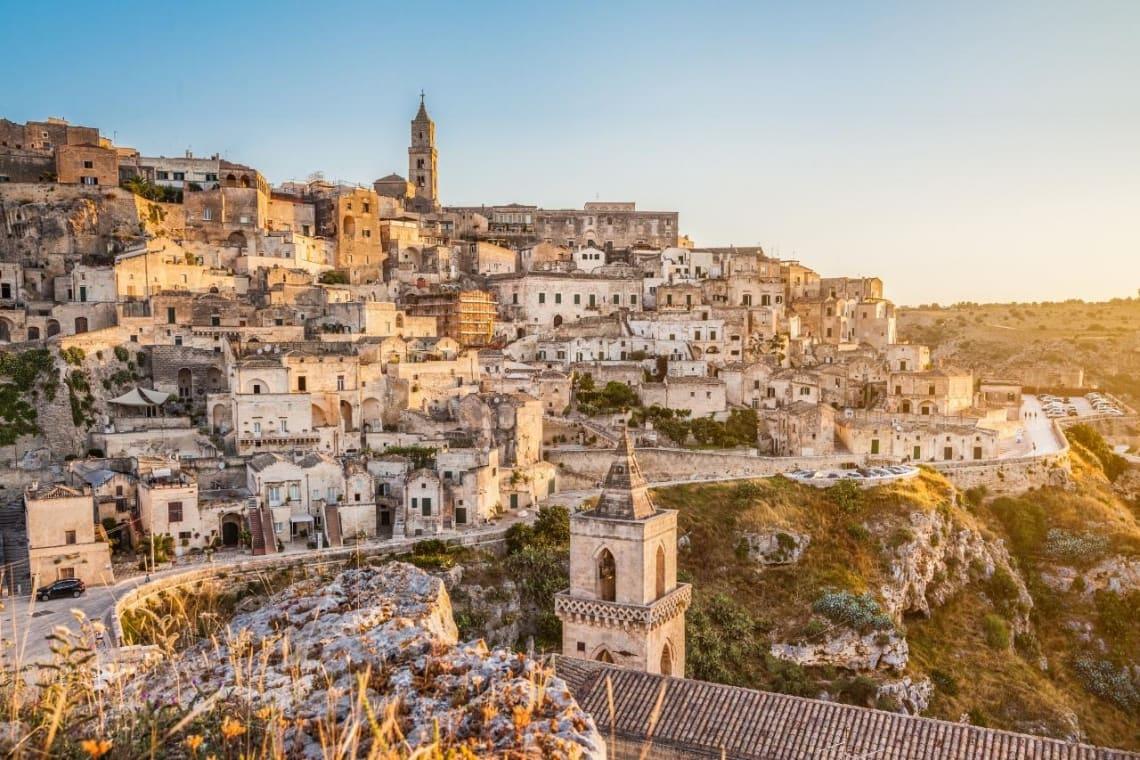
One of the main tourist attractions in southern Italy are the "sassi", a whole village of houses and churches carved into the limestone, once inhabited by several families in the style of Cappadocia in Turkey, and where many films such as "The Passion of the Christ" with Mel Gibson were filmed.
Not only are the sassi a striking feature of Matera, but much of the town is spread out on the side of a canyon, making it one of Italy's most photogenic towns.
Lecce
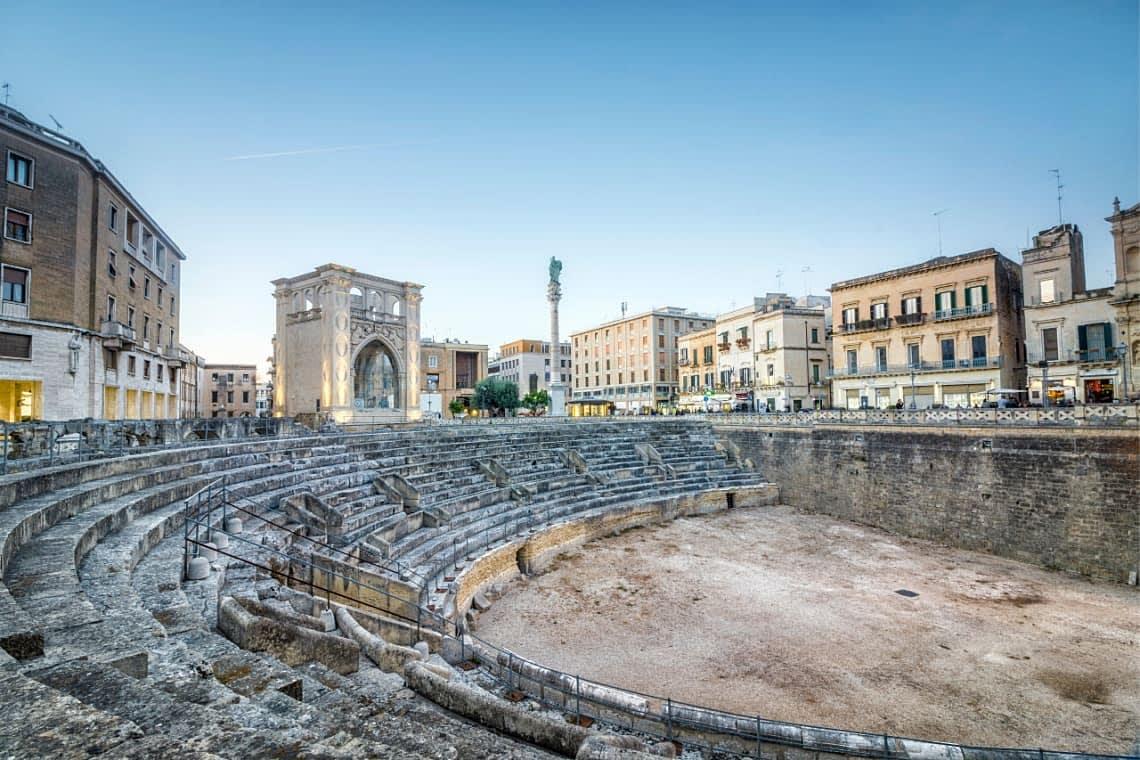
Italy's natural boot shape makes it probably the country with the most recognisable silhouette in the world. Lecce is the main town on the 'boot heel' (Salento peninsula), making it a great place to base yourself and tour the coastal towns of the area.
It is nicknamed "the Florence of the south" for its cultural scene and its many baroque buildings, which, having been built using mostly limestone unique to this region (Lecce stone), give it a cachet that sets it apart from any other Italian city.
Explore "the cue" by volunteering in Lecce.
Palermo
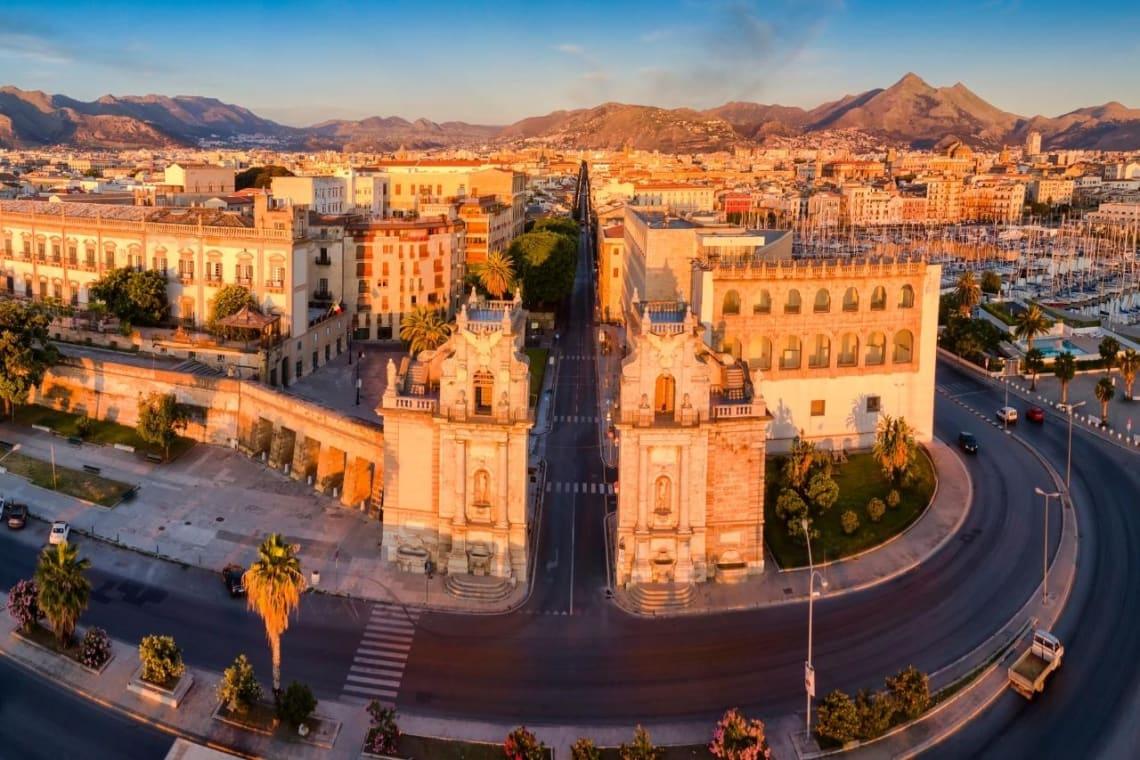
The capital of the island of Sicily has seen Phoenicians, Greeks, Arabs and Normans, among others, leave their mark to create a unique style that mixes arabesque decoration with Roman architecture and Byzantine mosaics.
Some of Palermo's World Heritage Sites include the Norman Palace with its Palatine Chapel (the oldest royal residence in Europe), the Cathedral, the Admiral's Bridge ( completed in 1131) and the Zisa Palace (which shows a clear Arab influence).
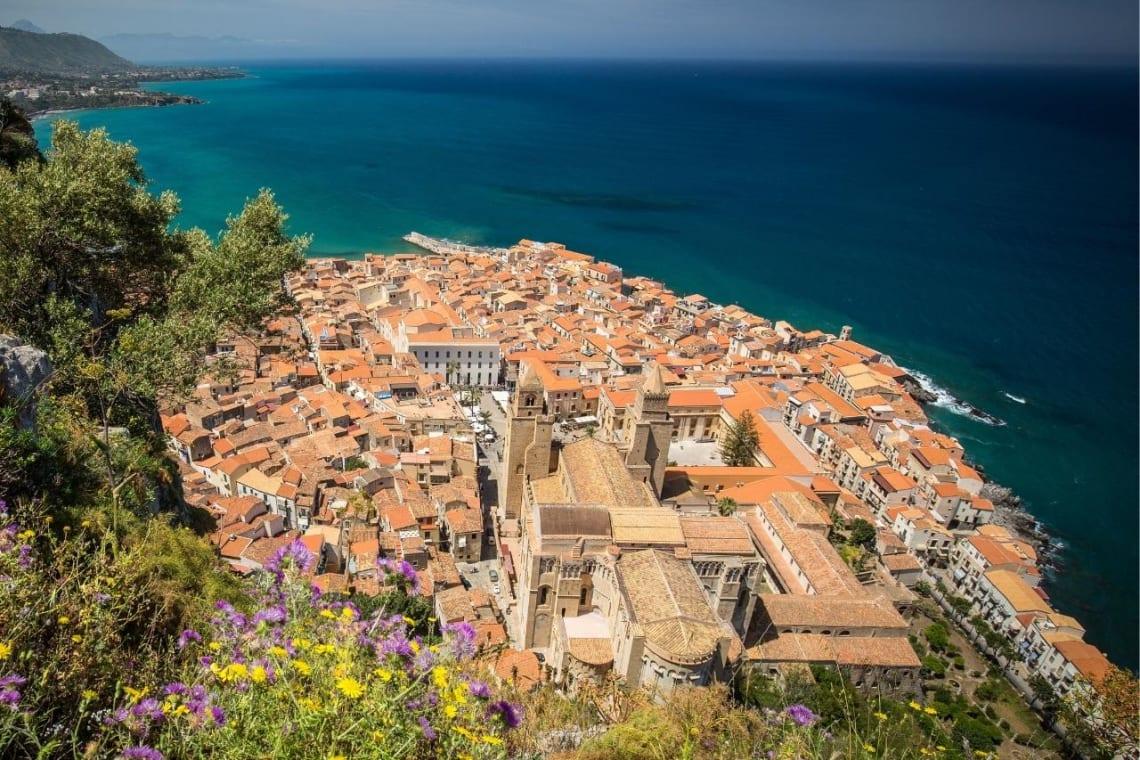
The beautiful seaside resort town of Cefalù (pictured below), and neighbouring Trapani on the coast and Erice - considered one of Italy's prettiest towns - are nearby destinations I recommend visiting from Palermo.
These are the 10 places you should not miss in Sicily.
Explore the island of Sicily by volunteering in Palermo.
These are 15 of the main cities in Italy that I recommend you to visit, as well as several nearby destinations, but this is an endless country in terms of tourism, where little known towns can surprise you more than its famous places.
Related articles
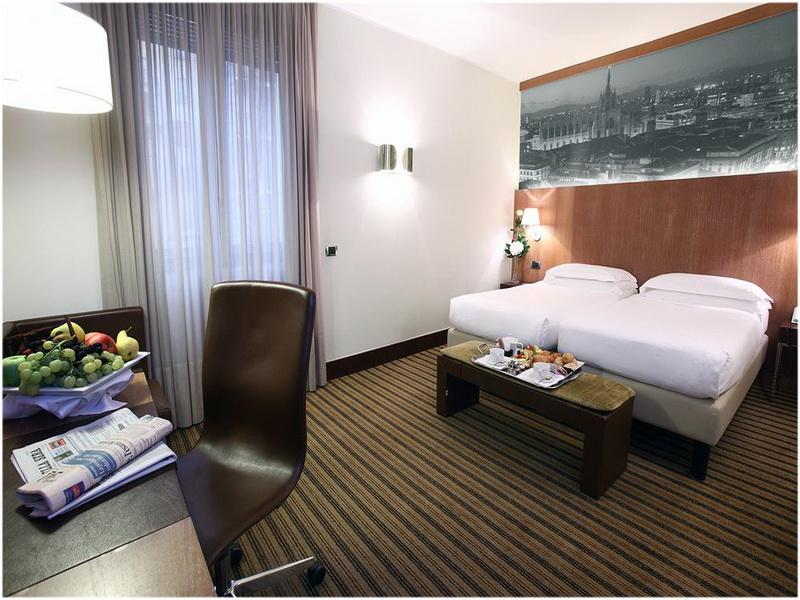
Starhotels Ritz, Milan, Italy
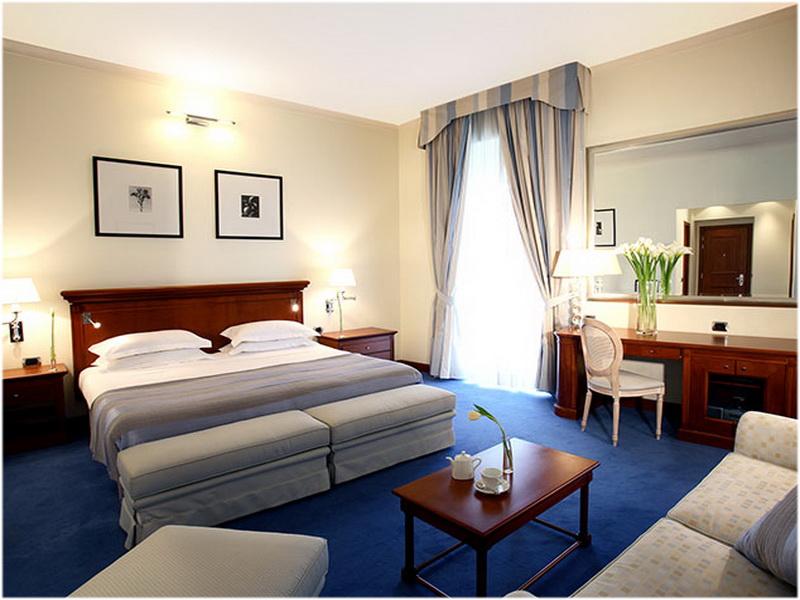
Starhotels Terminus, Naples, Italy

Italy's most beautiful hotels | Best 5-star hotels ranking
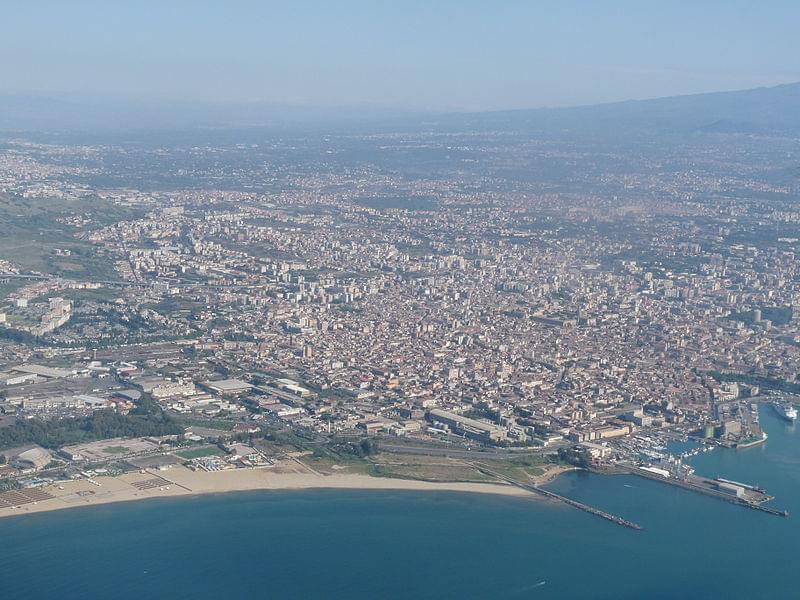
Top 10 Most Populous Cities in Italy
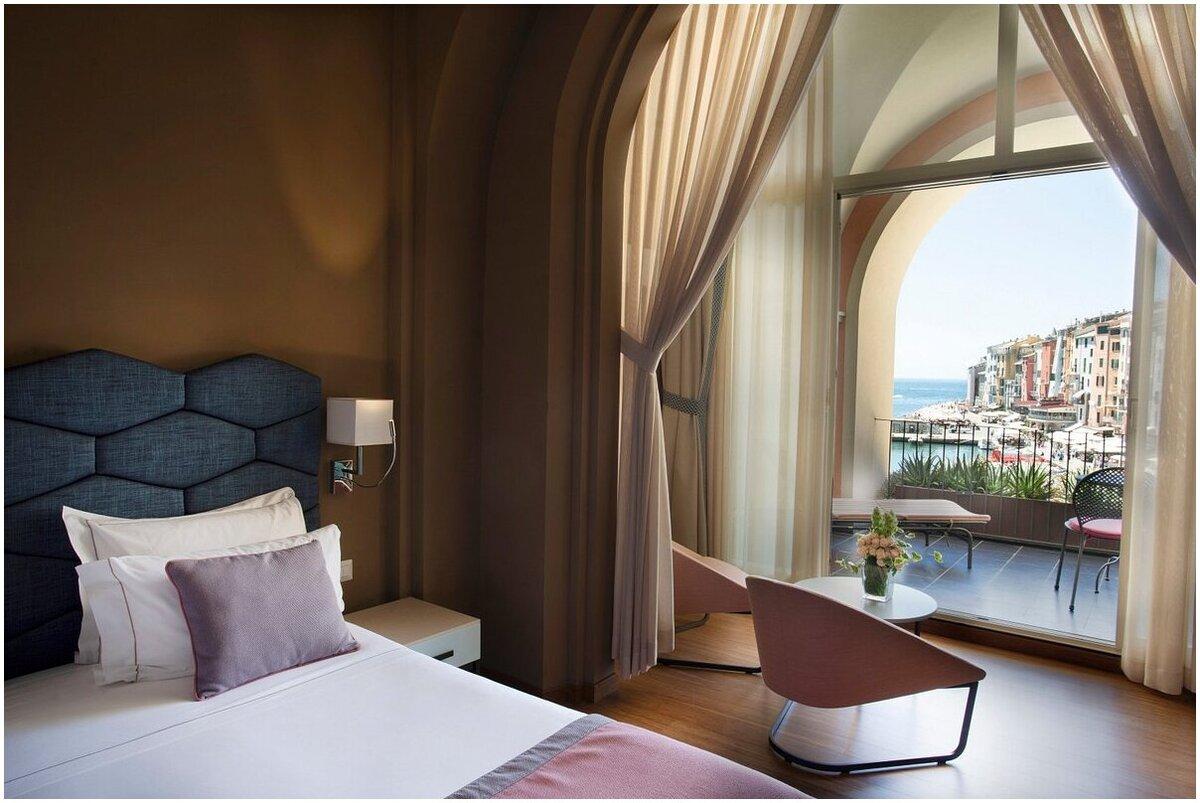
The 10 best luxury hotels in Cinque Terre Italy

The 10 Most Beautiful Panoramic Restaurants in Italy
Do you know the oldest cities in France?
What to do in Montsoreau, one of the Most Beautiful Villages in France located in Maine-et-Loire?