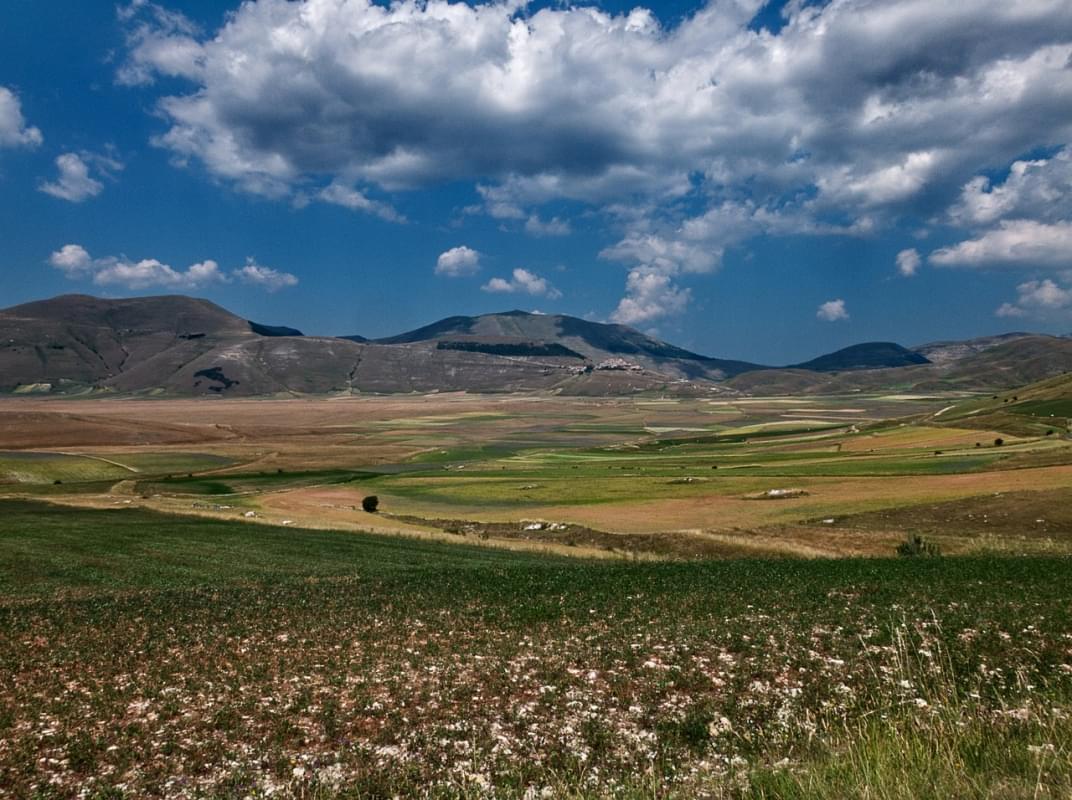
 In Umbria, history and nature combine to perfection. Characterised by hilly landscapes and thick forests, the region is rich in castles and medieval villages among the most beautiful in Italy, evidence of a historic past. Let's discover together which are the most fascinating villages...
NB: The following list is the result of a survey that actively involved members of the Community. More than 10,000 users were asked to express 20 preferences, choosing from the editorial staff's suggestions.
1 - Spello, Perugia
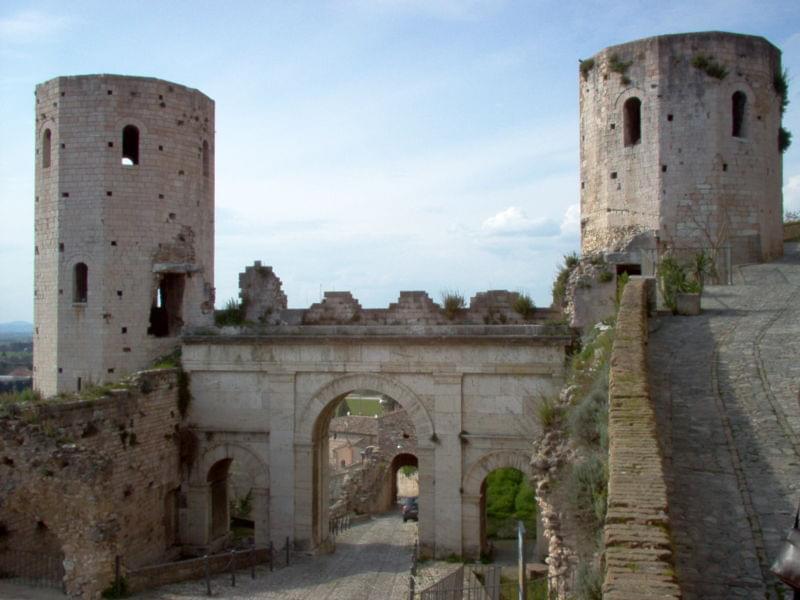 Photo by Attilios. Spello, among the most beautiful villages in Italy, was defined by Emperor Augustus as'Splendidissima Colonia Julia', and was mentioned by D'Annunzio in one of his poems.
Situated at the foot of Mount Subasio, with a panoramic tour you can admire what remains of the city walls and the various archaeological remains found bear witness to the importance the town had in the past. Devastated during the descent of the Barbarians, it was later part of the Duchy of Spoleto, and then passed into the hands of the Papacy. In the 4th century, Spello was an Episcopal seat and in the early Middle Ages, it was part of the vast diocese of Spoleto for a long time.
Ideal time to visit: spring and autumn are the best periods, apart from the Spello Flower Festival (ninth Sunday after Easter).
What to see in and around the city: Porta dell'Arce or Porta dei Cappuccini, Palazzo comunale, Palazzo Baglioni, Palazzo Urbani, Cappella Tega, Collegiata di Santa Maria Maggiore, Sant'Andrea. The city of Foligno is 11 min away
How to get there: Get directions
Where to stay: Hotels and b&b from €50.00 per room - look at the offers
2 - Massa Martana, Perugia
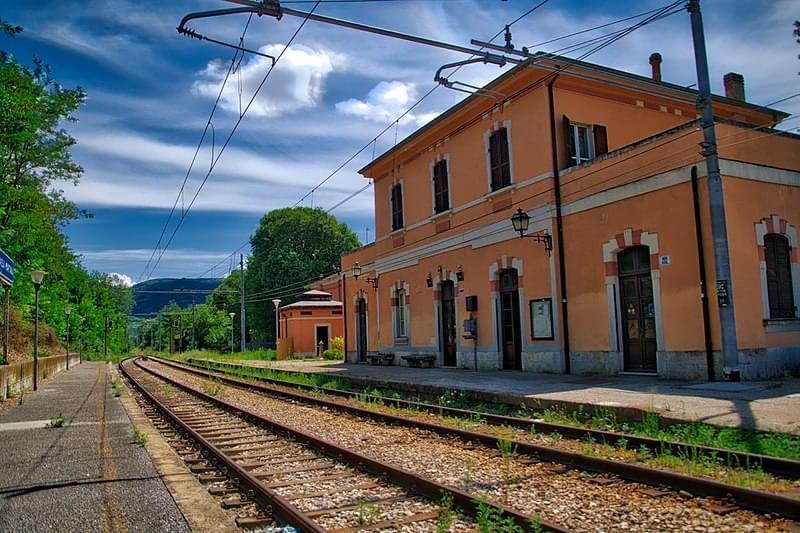 Photo by Daniele Bartolucci. Massa martana has the particularity of being surrounded by thick woods, formed by Mediterranean scrub. The presence of the Romans in the area is testified by the Fonnaia Bridge, which dates back to the 3rd century BC.
Near the village, it is possible to visit a catacomb system from the 3rd-5th century AD. The village, from the 1st to the 5th century A.D., was the home of numerous saints, including S. Felice, to Fidenzio to Terenzio, to Faustino, and S. Illuminata. Devastated during the Gothic-Byzantine wars, Massa Martana found new life under the rule of Spoleto.
Ideal time to visit: always, pleasant climate and little rain. During the Christmas period there are characteristic Christmas markets; on the second Sunday in December there is the nociata, an event in honour of the typical torrone (nougat).
What to see in and around the town: medieval gate, historical centre, Church of the Madonne della Pace, Church of San Felice, Church of Santa Maria in Pantano, Church of Santa Maria della Concezione. The village of Acquasparta is 14 min away
How to get there: Get directions
Where to stay: Hotels and b&b from €55.00 per room - see offers
3 - Acquasparta, Terni
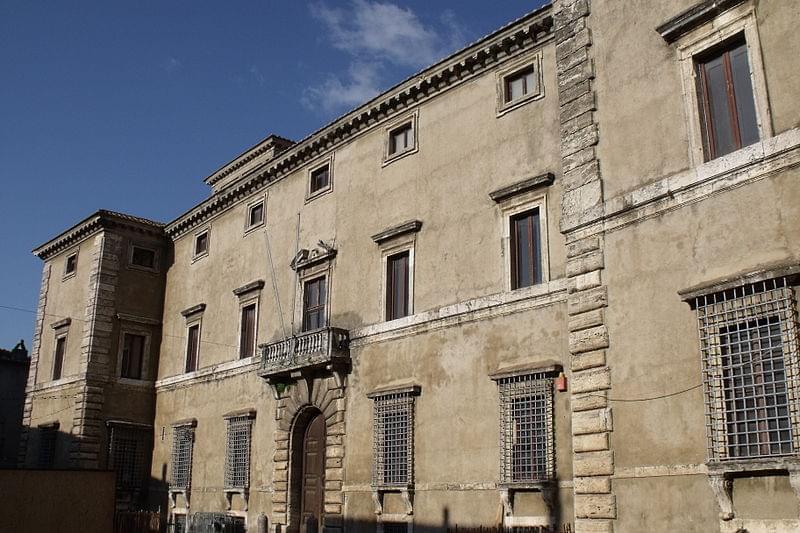 Photo by LigaDue. The name Acquasparta probably derives from the Latin Aquas Partas, given its position between the Amerino and Furapane springs. In the Middle Ages, the village was part of the Terre Arnolfe, and after passing through the various hands of ecclesiastical lords, it was ceded to the Cesi family, who erected the palace of the same name there. The town was also the seat of the reconstituted Accademia dei Lincei.
Today, it is possible to admire the restored square and the famous thermal baths of Amerino, which, legend has it, were gushed out by Saint Francis around 1200. Today it is part of the club I Borghi più belli d'Italia.
Ideal time to visit: spring and summer for the climate; in June for the Renaissance Festival; from 26 December to 1 - 6 January for the living nativity scene; in November for the'Sagra del Vino Novello' (Festival of New Wine)
What to see in and around the city: Palazzo Cesi, historic centre, Spoleto (18 min)
How to get there: Get directions
Where to stay: Hotels and b&b from €52.00 per room - see offers
4 - Bevagna, Perugia
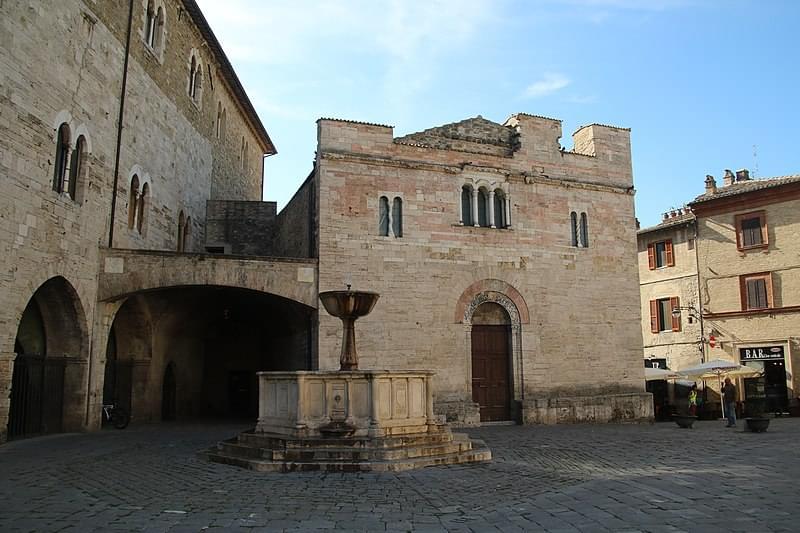 Photos by Mongolo1984. Bevagna is listed among the most beautiful villages in Italy, and among the Orange Flags, two of the major awards in the field of tourism. Famous for the fine canvases produced there, known as'bevagne', several films have been shot in the borough, including Musica in piazza by Mario Mattoli, some scenes from the film Fratello sole, sorella luna directed by Franco Zeffirelli, and it was the set of the TV drama Don Matteo 6.
Having become a Roman municipality in 90 BC, it became an important agricultural and strategic centre, thanks to its favourable location. This prosperity lasted until the 3rd century A.D., during which time it underwent considerable building development, and was fortified with city walls. Today it is at the centre of wine tours that include Bevagna and Montefalco.
Ideal time to visit: spring and summer for the climate; between April and May for the Primavera Medievale and Arte in Tavola; last two Sundays in June for the Mercato delle Gaite
What to see in and around the town: Palazzo dei Consoli, Piazza Silvestri, Church of San Michele, Church of San Silvestro, Civic Museum, Monastery of Santa Margherita. The village of Montefalco is 10 min away
How to get there: Get directions
Where to stay: Hotels and b&b starting from €42.00 per room - look at the offers
5 - Panicale, Perugia
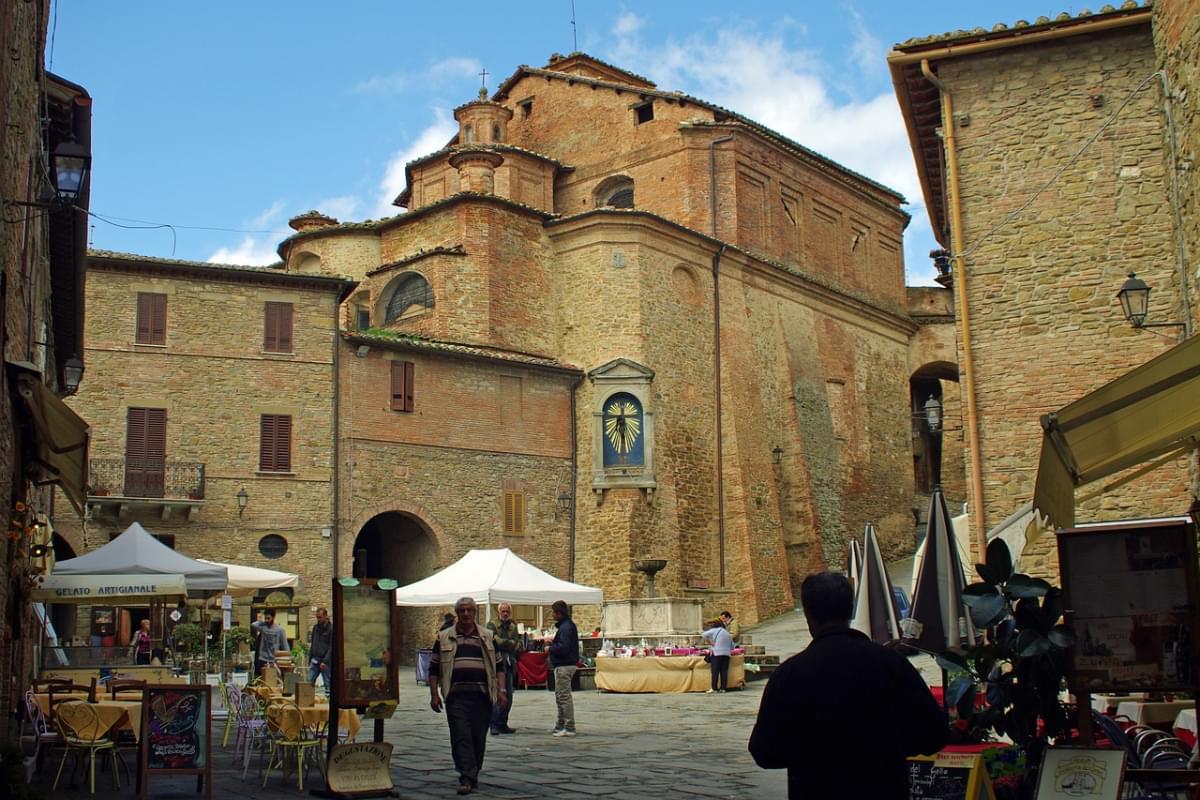 Panicale is part of the circuit of The Most Beautiful Villages of Italy and has been awarded the Orange Flag by the Italian Touring Club. It is assumed that the origin of Panicale is very ancient, although there are no certain sources to testify this.
In the Middle Ages, the castle's history is linked to that of Perugia: in fact, Panicale is both an important centre for food supplies and an outpost towards the west and the Val di Chiana. During the Renaissance, Panicale experienced a period of economic development, territorial expansion and general prosperity, which allowed for the realisation of various works of art by famous artists.
Ideal time to visit: spring and summer for the climate; last Sunday in October for the Chestnut Festival, early September for the Tavernelle and the Pannocchia Festival. July to September for the Morettini Organ Festival. In September from the first weekend to the penultimate weekend for the Pan Opera Festival
What to see in and around the town: 15th century fountain, Porta Perugina, Montalera Castle, Church of San Giovanni Battista, Oratory of the Arciconfraternita della Morte, Church of the Madonna della Spera. Castiglione del lago is 18 min
How to get there: Get directions
Where to stay: Hotels and b&b from €65.00 per room - see offers
6 - Orvieto, Terni
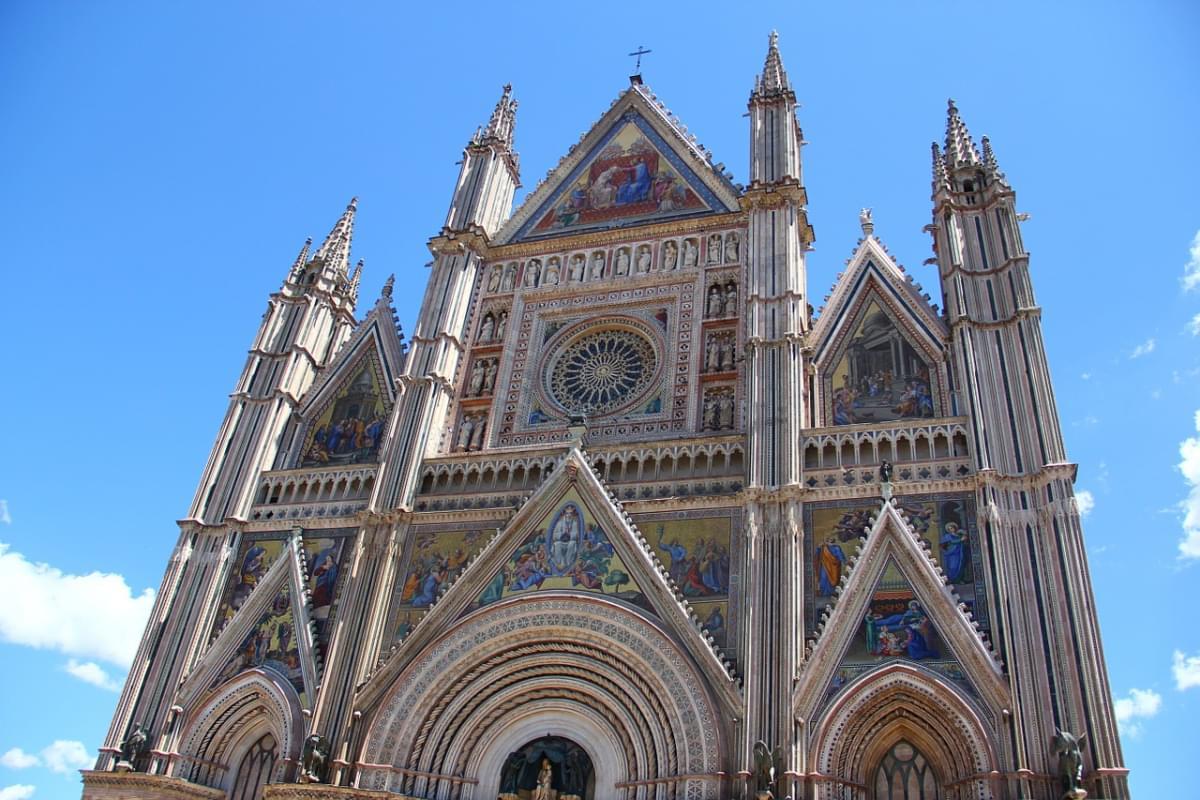 Perched on a cliff, Orvieto is one of the oldest towns in the whole of Italy and part of the Slow Cities. In fact, its foundation dates back to the Etruscans, who settled inside the tufa caves carved into the massif on which the town stands today.
Although Orvieto's fame is profoundly linked to that of its cathedral, the city offers numerous historical-artistic cues and itineraries, due precisely to its ancient origins.
Together with Assisi, it is the destination of organised one-day tours with departures also from Rome. Very interesting is the underground tour that also includes a visit to the well-known wine cellars in the area.
Ideal times to visit: spring and summer for the climate; on Pentecost day for the Palombella Festival; two Sundays later for the Corpus Domini Festival with the procession of the reliquary of the Bolsena Miracle; between late December and early January for theUmbria Jazz Winter.
What to see in and around the city: Duomo, Opera del Duomo Museums, Archaeological Museums, Underground of the Church of St. Andrew and St. Bartholomew, St. Patrick's Well, Pozzo della Cava, Adriano's Labyrinth Caves. Orvieto Underground, The Crocifisso del Tufo and Cannicella Necropolis. Bolsena is 30 min, Todi 45 min and Civita di Bagnoregio 30 min
How to get there: Get directions
Where to stay: Hotels and b&b from €48.00 per room - look at the offers
7 - Montefalco, Perugia
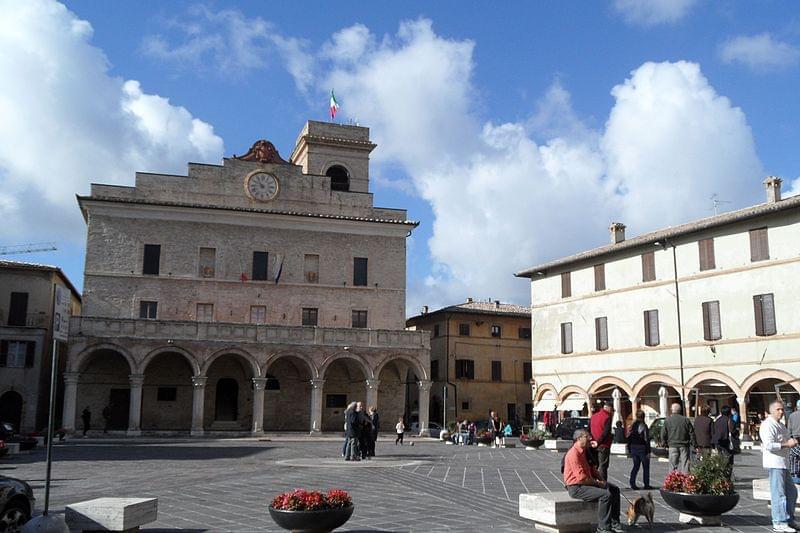 Photos by Umbria ws. Montefalco is a village known for its wine production, and a wine tour of the area is recommended. It is part of the club of Italy's Most Beautiful Villages. The place-name Montefalco is due to Frederick II of Swabia who, noticing the large presence of falcons in the area, changed the name from Coccorone to the present one.
Around 1280, the town was conquered by Todi and, during the period of occupation, the cultivation of grapes for Grechetto wine began, which was combined with the traction of red wine; the construction of the public palace and religious buildings also took place during the same period.
Ideal time to visit: Easter Monday for the Gioco de La Ciuccetta, Christmas Day for the Fuga del Bove, the third Sunday in September for the grape harvest festival
What to see in and around the town: The town walls, Porta Sant'Agostino, Torre del Verziere, the Church of Sant'Agostino, the mummified body of Blessed Pellegrino, Piazza del Comune. Foligno is 13 min away
How to get there: Get directions
Where to stay: Hotels and b&b from €26.00 per room - see offers
8 - Castiglione del Lago, Perugia
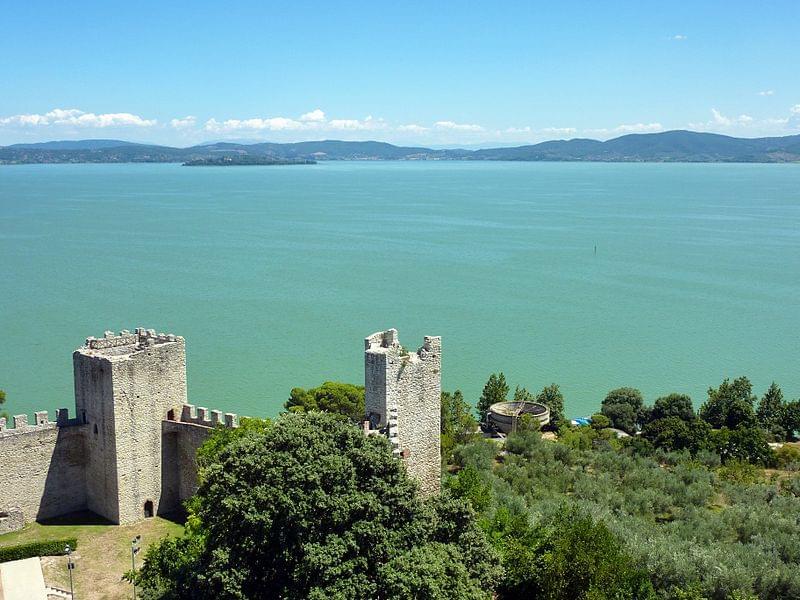 Photos by Adbar. The name Castiglione derives from the Latin Castellum Leonis, castle of the lion, later vulgarised into Castiglione. The town was located on an important communication route between Orvieto, Chiusi and Arezzo. It was at the centre of numerous disputes, given its particular position, which led to the destruction, several times, of the original fortress, which was promptly rebuilt.
Founded by the Romans, it stands on a hill that in ancient times formed the fourth island of Lake Trasimeno before the strip of water separating it from the mainland was filled in.
Ideal time to visit: first Sunday in March with the Strasimeno to April and May, with the Spring Meeting
What to see in town and surroundings: Palazzo della Corgna or Ducal Palace, Rocca del Leone, Church of Santa Maria Maddalena, Church of San Domenico, Church of Santa Maria delle Grazie, Sanctuary of the Madonna della Carraia. Borgo Panicale is 18 min away
How to get there: Get directions
Where to stay: Hotels and b&b from €38.00 per room - look at the offers
9 - Montone, Perugia
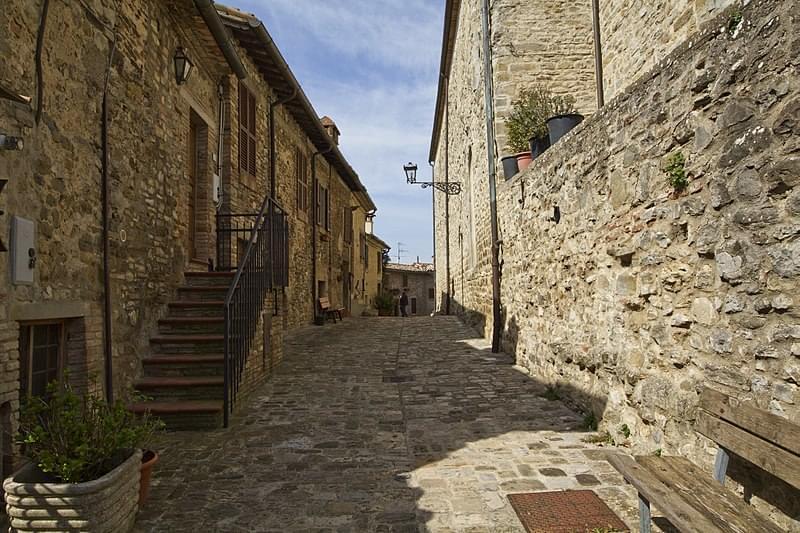 Photo by trolvag. Medieval in origin, the village of Montone is surrounded by greenery, and suddenly appears to those who walk up the road.
Home of the famous condottiere Braccio Fortebracci, Montone has preserved intact its medieval charm, made up of historic houses, churches, narrow streets and centuries-old walls. Stroll through its streets to find yourself catapulted back in time!
Ideal time to visit: penultimate Sunday in August each year, for the Feast of the Donation of the Holy Thorn. Between the end of October and the beginning of November, when the Forest Festival is held.
What to see in and around the town: Rocca di Braccio ruins, Rocca d'Aries, Pieve di San Gregorio Magno, Church of Santa Maria, Church of Madonna delle Grazie. Città di Castello is 20 min away
How to get there: Get directions
Where to stay: Hotels and B&Bs from €50.00 per night - see offers
10 - Assisi, Perugia
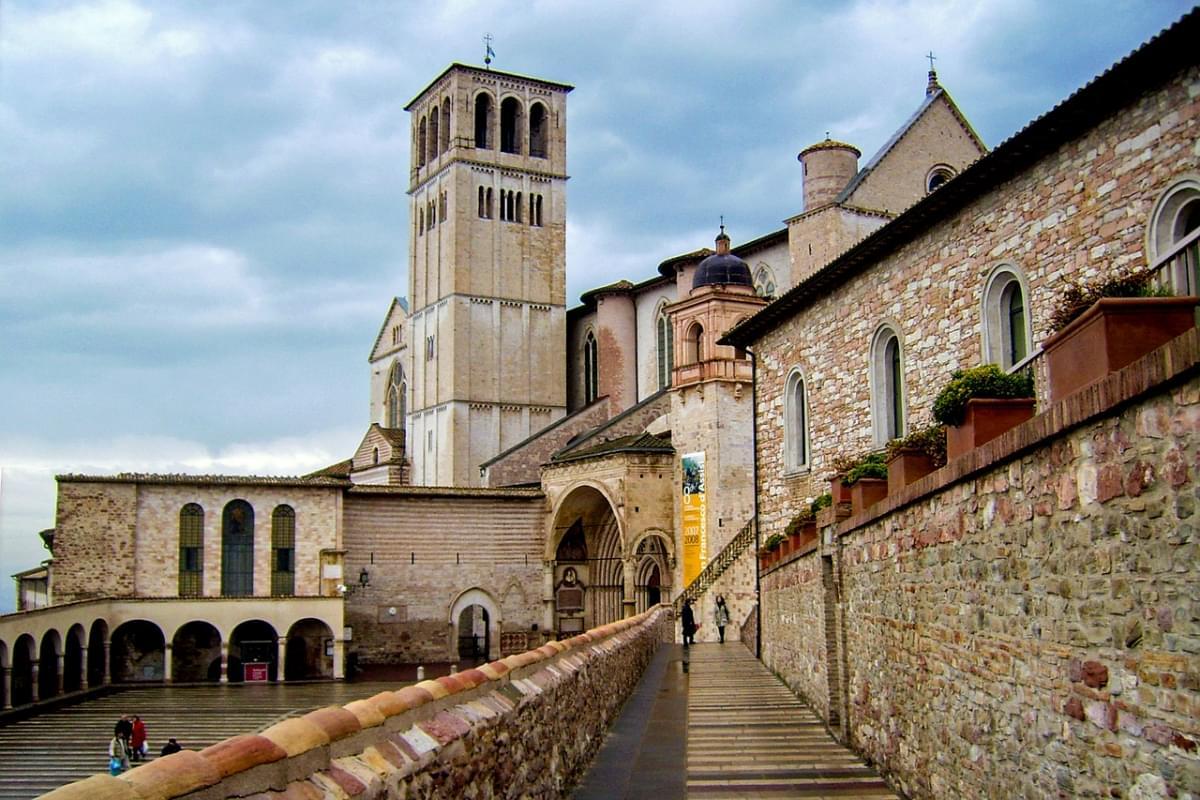 Assisi is known to most as the birthplace of St Francis and St Clare. Historical finds indicate that the origins of the town date back to a small village, dating back to the Villanovan period.
The Romans then in 295 B.C., with the Battle of Sentino, imposed their rule also in Central Italy, and the town was given the name Asisium, became municipium, and was an important economic and social centre of the Empire. With the fall of the Romans, Assisi also experienced a difficult period and, in 545, was sacked by the Goths. Conquered by the Byzantines, it was annexed shortly afterwards to the Duchy of Spoleto, whose fortunes it shared until the beginning of the 12th century.
But Assisi is also a land of wines: a tour with picnic and wine tasting is particularly recommended to discover the area around the town. On the other hand, to admire the centre and its narrow streets in an original way, you can organise a nice panoramic tour by Ape Calessino
SEE ALSO: Assisi: what to see, where to eat and what to do in the evening
Ideal time to visit: late August for the Palio di San Rufino. Every two years, in September and October, for the Perugia-Assisi Peace March. 3-4 October for the Feast of St Francis; the night of 7 December for the Venuta; on the day of Pentecost, for the Palio di Pasqua Rosata
What to see in and around the city:Rocca Maggiore, Piazza del Comune, Temple of Minerva, Roman amphitheatre, Basilica of St Francis of Assisi. Foligno is 23 min away
How to get there: Get directions
Where to stay: Hotels and b&b from €40.00 per room - see offers
11 - Gubbio, Perugia
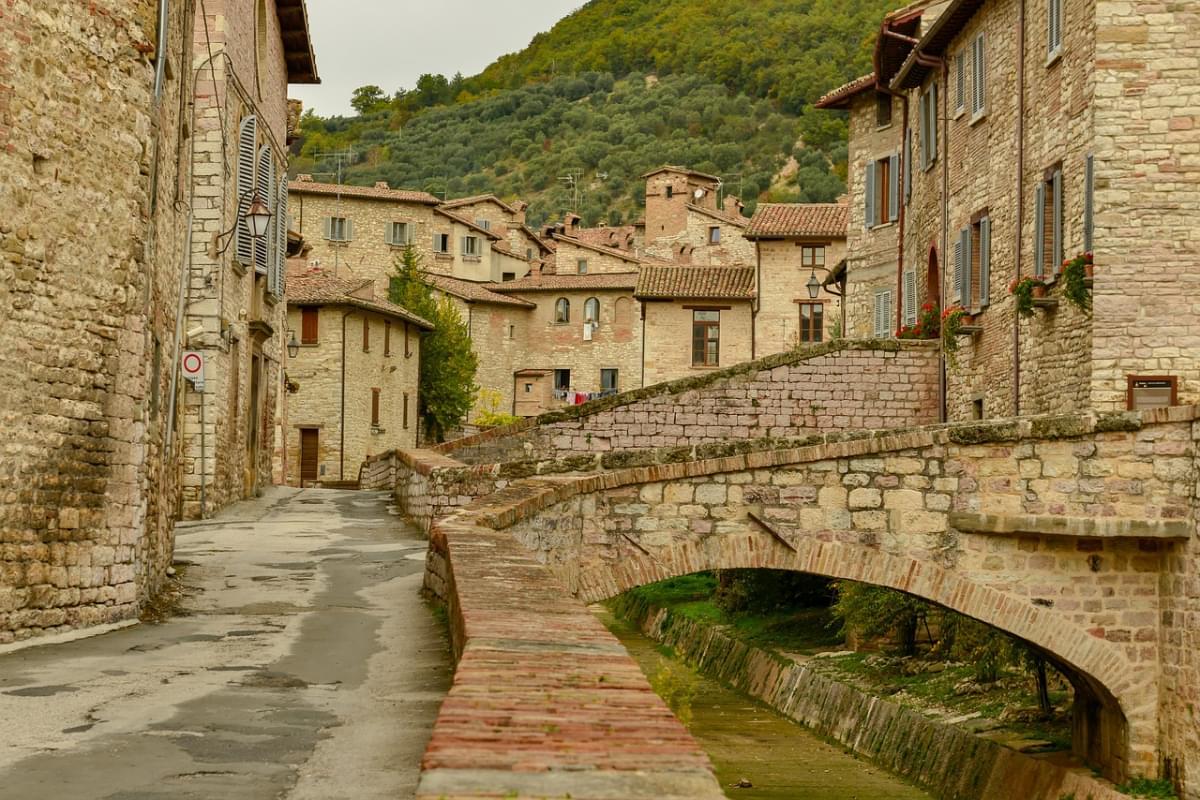 A medieval town in the heart of Umbria, Gubbio is also called The Grey City due to the limestone blocks with which the centre is built.
A locality full of history and already known in the Bronze Age, it has a rather challenging past: from being a fief of various seignories, it then passed to the Church and, before being annexed to the Kingdom of Italy, belonged to the Cisalpine Republic. Very convenient to visit, it has a historical centre rich in monuments, palaces, churches and museums. It is a must to run three laps around the Fountain of Fools to be awarded the'Madman's License'. Also not to be missed is the cable car ride up to the Basilica of Sant'Ubaldo.
Visitors are advised to get a tourist card with discounts on the town and an audio guide to get around and get to know the town comfortably. For a dive into Gubbio's handicraft tradition, we recommend trying the leather binding workshop or the calligraphy workshop.
SEE ALSO: Gubbio, Umbria: what to see, where to eat and what to do in the evening
Ideal time to visit: from April to the end of October; also not to be missed are the patron saint's day on 15 May when the Festa dei ceri takes place, the last Sunday in May for the Palio della Balestra and in December to admire the world's largest Christmas tree
What to see in and around the city: Piazza 40 Martiri, Church of San Francesco, Logge dei Tiratori, Palazzo dei Consoli, Museo Civico, Palazzo Pretorio, Palazzo Ducale, Duomo and Basilica di Sant'Ubaldo. Just outside the town, don't miss the Roman Theatre. It is 40 km from Perugia.
How to get there: Get directions
Where to stay: Hotels and b&b starting from €65,00 per room - look at the offers
12 - Todi, Perugia
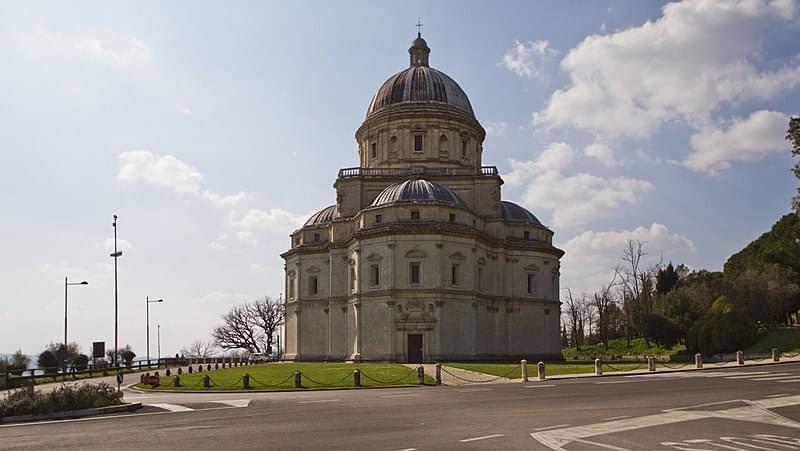 Photos by trolvag. A small municipality along the course of the Tiber, situated on a 400 m hill, Todi boasts ancient Roman origins and during the Middle Ages was a bitter enemy of nearby Orvieto. Famous for being one of the most liveable cities in the world, it has a unique elegance and most of the buildings that can be admired today belong to the period between the 13th and 14th centuries.
We recommend a 2-hour private walking tour, starting from the beating heart that is Piazza del Popolo, from where you have one of the most beautiful views of the city and where the main buildings are located. Beneath this square are two Roman cisterns and several tunnels with underground wells dating back to the 2nd century B.C. But Todi is not only art and history, because here you can enjoyexcellent cuisine based on local products and traditional recipes.
Ideal period for a visit: from April to October; also not to be missed are the Todi Arte Festival in August, the Italian Antiques Fair which takes place during Easter week, the Italian Gran Premio Mongofieristico in July and the Tipico&DopArt event in June
What to see in and around the city: Piazza del Popolo, Palazzo Comunale, Museo Lapidario, Pinacoteca Civica and Museo Etrusco Romano. Also nearby are Frontignano Castle, Speltara Castle and Barattano Castle. Todi is 45 km from Perugia.
How to get there: Get directions
Where to stay: Hotels and b&b starting from €58.00 per room - see offers
13 - Norcia, Perugia
A small commune in the province of Perugia, Norcia is located in the heart of the Umbrian-Marches Apennines and in the area of the Sibillini mountains. The town and its surroundings offer landscapes that look like something out of a painting and, although it was hit by the 2016 earthquake, it continues to be an enchanting place. In fact, it is included in the main tours in Umbria together with Cascia and Cascata delle Marmore.
Most famous for the explosion of nature during the Flowering period, Norcia also has numerous churches and historical buildings, but is also the starting point for hiking and biking tours to discover the surroundings. Not to be overlooked is its food and wine tradition based on black truffles, lentils, mushrooms, sheep's milk cheese and cured meats.
Ideal time to visit: from May to October when temperatures are mild and nature offers spectacular blooms. Don't miss the colours of the lentil blossom between June and July, the Norcia black truffle market exhibition that usually takes place between February and March, the feast of St. Anthony Abbot on 17 January, the Fiera de Sienti 'n Può in mid-August and the procession of the Dead Christ in Norcia at Easter
What to see in and around the city: Church of San Benedetto, Palazzo Comunale with Bell Tower, Steps and Loggia, the Castellina, Cathedral of Santa Maria Argentea, Church of Sant'Agostino, monumental complex of San Francesco, city walls, Castelluccio di Norcia plain, meadows known as Marcite. It is 99 Km from Perugia
How to get there: Get directions
Where to stay: Hotels and b&b from €58.00 per room - look at the offers
14 - Ferentillo, Terni
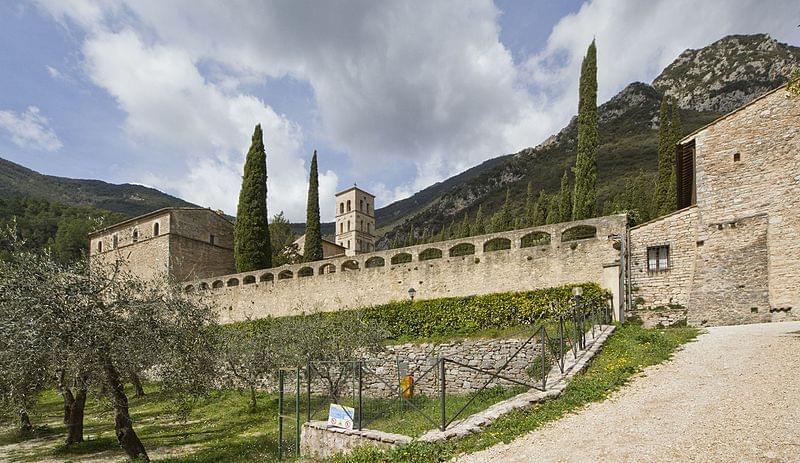 Photos by trolvag. A very small commune in the province of Terni, Ferentillo is divided into two villages by the Nera river: Matterella and Precetto.
The town was founded in 740 by the Lombard king Liutprando, who arrived in the Nera Valley and colonised these uninhabited lands. It then underwent some structural modifications over time. The settlement of Matterella is the oldest, at the foot of the old castle and perched on the rocky area of Monte Gabbio; the fortress of Precetto, on the other hand, of a somewhat more recent era, has a triangular shape and is perched on Monte Sant'Angelo surrounded by defensive walls and dense woodland.
Theideal time to visit: in summer you can fully experience its nature and enjoy a number of events. Among these, the most important are "Le Rocche Raccontano", a historical re-enactment organised for over twenty years in proximity to the feast of the patron Saint Sebastian on 20 August. La Sfida de Lu Ciuccittu, a unique popular tradition of egg fights with very ancient origins that takes place at Easter. Castellonando and the Sagra del Cinghiale (Wild boar festival) are gastronomic festivals held in July.
What to see in and around the town: Church of San Giovanni Battista, Palazzo Silvani-Loreni, Piazza Garibaldi, Cybo complex, Collegiate Church of Santa Maria, Church of the Madonna del Gonfalone, Church of Santo Stefano, Mummy Museum, Prince of Montholon Palace. Nearby is the Abbey of San Pietro in Valle. Ferentillo is 19 km from Terni
How to get there: Get directions
Where to stay: Hotels and b&b from €55.00 per room - look at the offers
15 - Spoleto, Perugia
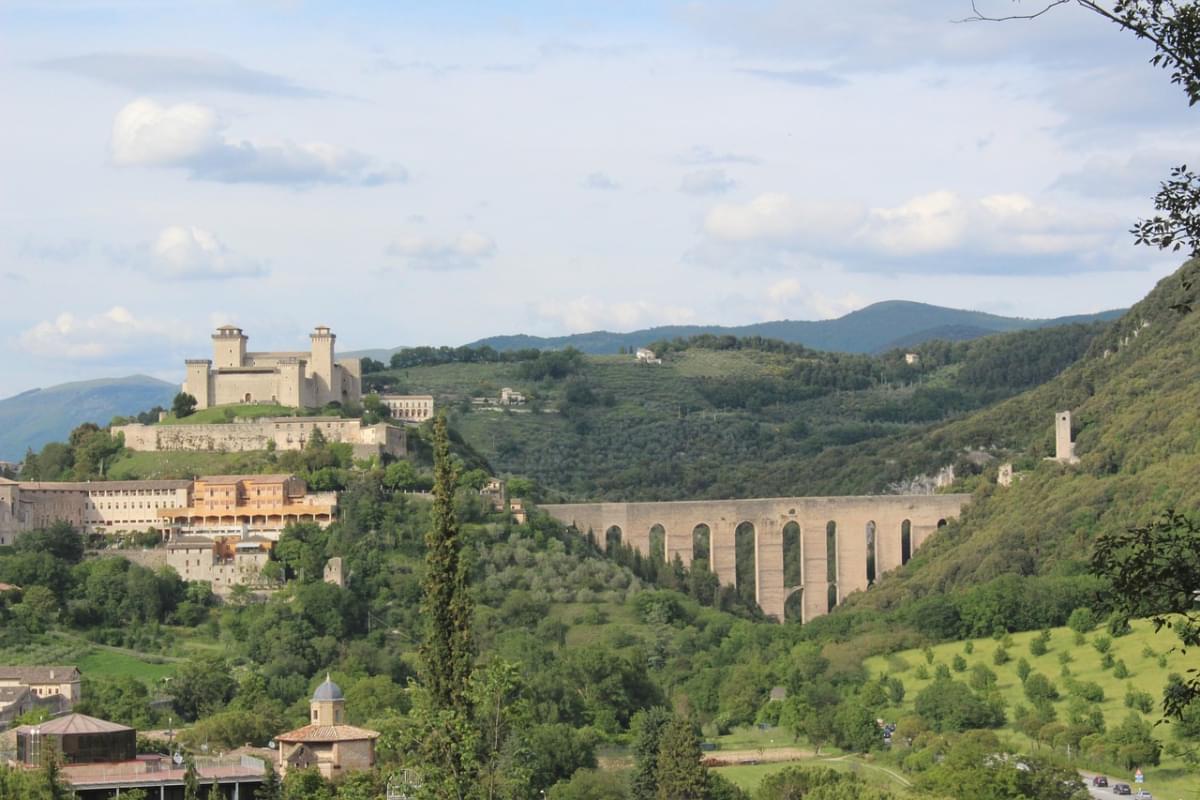 An Umbrian city surrounded by hills, olive groves and vineyards, Spoleto lies within a large plain where a lake once stood. It dates back to the 12th century and is famous for its cathedral, which houses several paintings by the medieval artist Filippo Lippi, but also for its various buildings and museums.
In recent years it has enjoyed considerable fame thanks to the TV series Don Matteo, as it was the set for the ninth season. But Spoleto has also long been famous for its Festival of Two Worlds, which every year attracts tourists from all over the world who come to attend ballets, operas, concerts and conferences.
SEE ALSO: Spoleto: what to see, where to eat and what to do in the evening
Ideal time to visit: from May to October, when the temperature is ideal for visiting the city and enjoying its beauties. Between late May and early June there is the 'Vini nel Mondo' event, and the weeks between June and July when there is the Festival of Two Worlds.
What to see in and around the city: Piazza Garibaldi, Basilica of San Gregorio Maggiore, Palazzo Virgili and Torre dell'Olio, Palazzo Collicola which houses the Museum of Visual Arts, Piazza Duomo, Cathedral of Santa Maria Assunta, Roman Theatre, Archaeological Museum, Roman House, Pontedelle Torri, Rocca Albornoziana, Mascherone Fountain, Arch of Druso. It is 63 Km from Perugia
How to get there: Get directions
Where to stay: Hotels and b&b starting from €75.00 per room - see offers
16 - Lugnano in Teverina, Terni
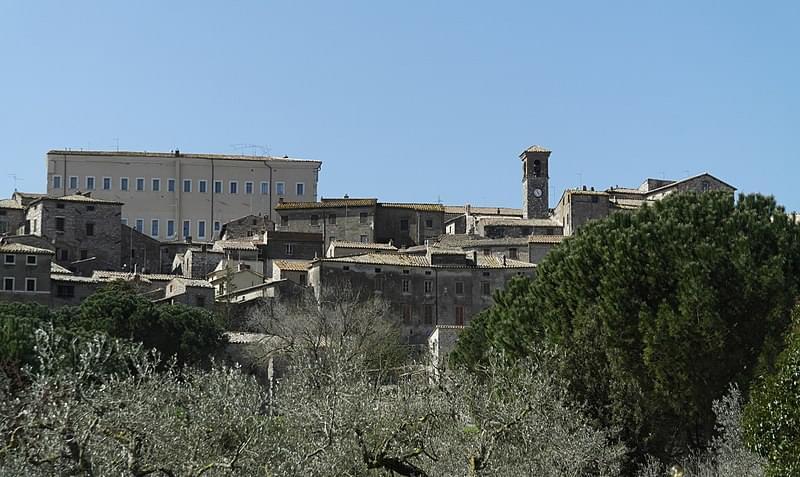 Photos by trolvag. A small municipality in the province of Terni, Lugnano in Teverina is considered one of the most beautiful villages in Italy and is also part of theNational Association of Oil Cities. Situated on a moon-shaped hill in a dominant position, it overlooks the Tiber and offers breathtaking views.
The streets of the old town centre, the palaces and churches take a plunge into the past and anyone arriving here is won over by the magical atmosphere and authentic flavours that even the gastronomic tradition offers.
Ideal time to visit: from May to October, thanks to the climate suitable for discovering the town and its surroundings; also worth noting are the 'Maratona dell'Olio' (oil marathon) held at the end of November, the Lugagnese summer, a gastronomic fair in the first week of August, and the historical re-enactment of the Passion of Christ during the Easter period
What to see in and around the town: Collegiate Church of S. Maria, Convent of San Francesco, Palazzo Pennone, Palazzo dei conti Bufalari, Church of Sant'Antonio Abate, Church of the Majesty, Former Bulb Factory, ancient ruins of the Roman villa of Poggio Gramignano. It is 35 Km from Terni
How to get there: Get directions
Where to stay: Hotels and b&b starting from €65.00 per room - see offers
17 - Cascia, Perugia
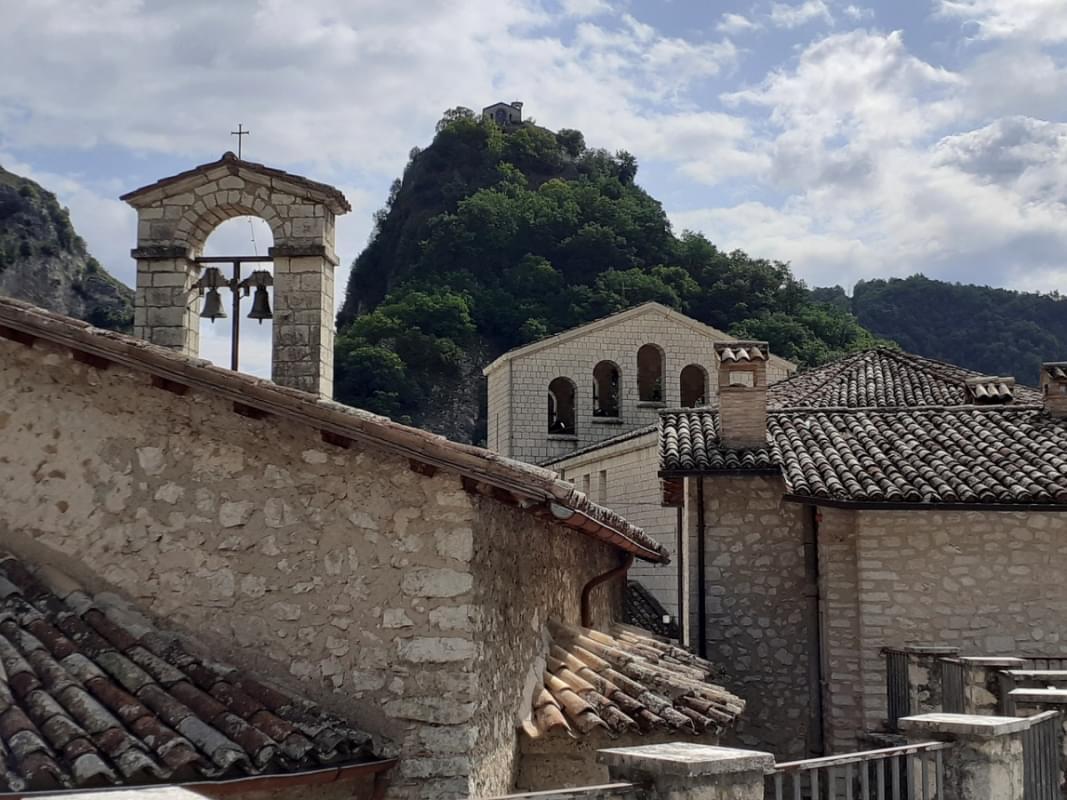 Known for being the birthplace of Saint Rita, Cascia is located on the hill of Saint Augustine, an ancient castle near the river Corno and is a pilgrimage destination for many believers every year. The first settlements date back to Roman times, but the town experienced its greatest splendour during the Middle Ages.
In addition to the splendid sanctuary dedicated to Saint Rita, the village has more to offer thanks to its surroundings that are totally immersed in the nature of the Val Nerina. Besides the spiritual and scenic side, visitors can also appreciate the culinary art and local products such as saffron, spelt, truffles and pulses.
Ideal time to visit: all year round, in particular during events and festivals such as the Feast of St. Anthony in January, the "Pasquarelle" during the Easter period, the "Focone della Venuta" on the night of 9-10 December and "Aestivum", the summer truffle fair in August
What to see in and around the town: Sanctuary of Santa Rita da Cascia, Church of San Francesco, former Church of Sant'Antonio Abate, Church of Santa Maria della Visitazione, Palazzo Carli, Palazzo Frenfanelli, Civic Museum, Roman Temple of Villa San Silvestro, hamlet of Roccaporena. It is 19 km from Norcia
How to get there: Get directions
Where to stay: Hotels and b&b from €55.00 per room - look at the offers
18 - Corciano, Perugia
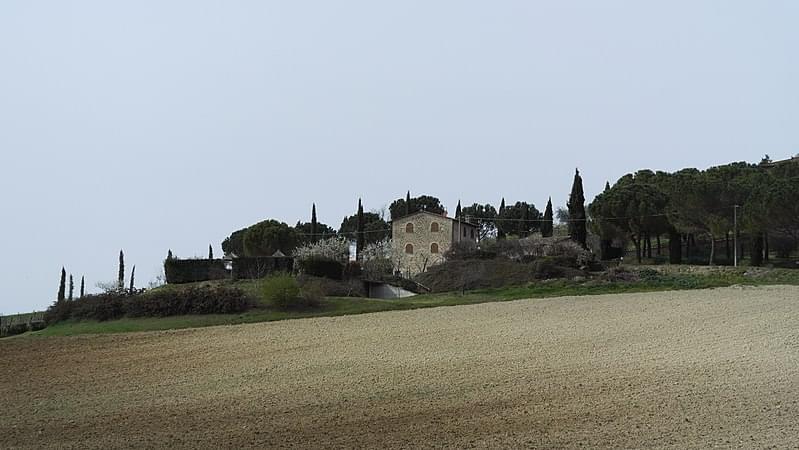 Photos by trolvag. Situated on a hill a few kilometres from Perugia, Corciano was elected one of the most beautiful villages in Italy and, according to legend, was founded by Coragino, Ulysses' faithful friend.
The historical centre, surrounded by walls, is a succession of alleys going up and down, flights of steps and houses built in limestone. It can be accessed through two gates: Santa Maria to the south and San Francesco to the north, and although some Roman remains have been found, the village has a medieval feel.
Ideal time to visit: all year round, although some periods, thanks to events and shows, are particularly suitable. Don't miss the Christmas markets and cribs, the pumpkin flower festival in July, and spring to enjoy the Almond Tree Trail.
What to see in and around the city:Palazzo Municipale, Palazzo del Capitano del Popolo, Palazzo dei Priori and della Mercanzia, well in Piazza Coragino, Church of Santa Maria Assunta, Church of San Cristoforo, former convent of San Francesco, Church of Sant'Agostino, Palaeontological Museum, Museum of the Casa contadina, Museum of Pievania. It is 12 Km from Perugia
How to get there: Get directions
Where to stay: Hotels and b&b from €68.00 per room - look at the offers
19 - Amelia, Terni
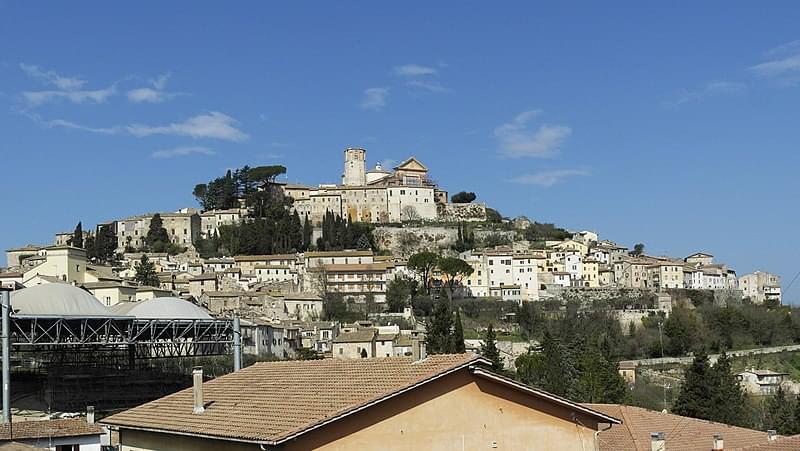 Photos by trolvag. A small commune in the province of Terni, in the south-west of Umbria, on the border with Lazio, the village of Amelia is characterised by its hilly terrain and together with eight other localities gives its name to the Amerino district.
Of ancient origins, the town boasts various testimonies of the past; in addition to the walls surrounding it, there are numerous palaces, churches, remains of mosaics and thermal baths. In the surrounding area there are also several farms and wine cellars that will let you taste the local products.
Best time to visit: from May to October and during the Ameria Festival from September to October, the Piglet Festival in mid-August, and the fava bean and wild boar festival in the second half of July
What to see in town and surroundings: Cathedral, Church of San Francesco, Monastery and Church of San Magno, Church of San Clemente Teatro, necropolis in the area of the former agrarian consortium, Palazzo Frattini, Palazzo Petrignani, Church of Sant'Agostino, Loggia del Banditore, Cathedral dedicated to Santa Femmina, Convent of the SS.Annunziata, Archaeological Civic Museum, "Edilberto Rosa" Art Gallery
How to get there: Get directions
Where to stay: Hotels and b&b from €60.00 per room - look at the offers
20 - San Gemini, Terni
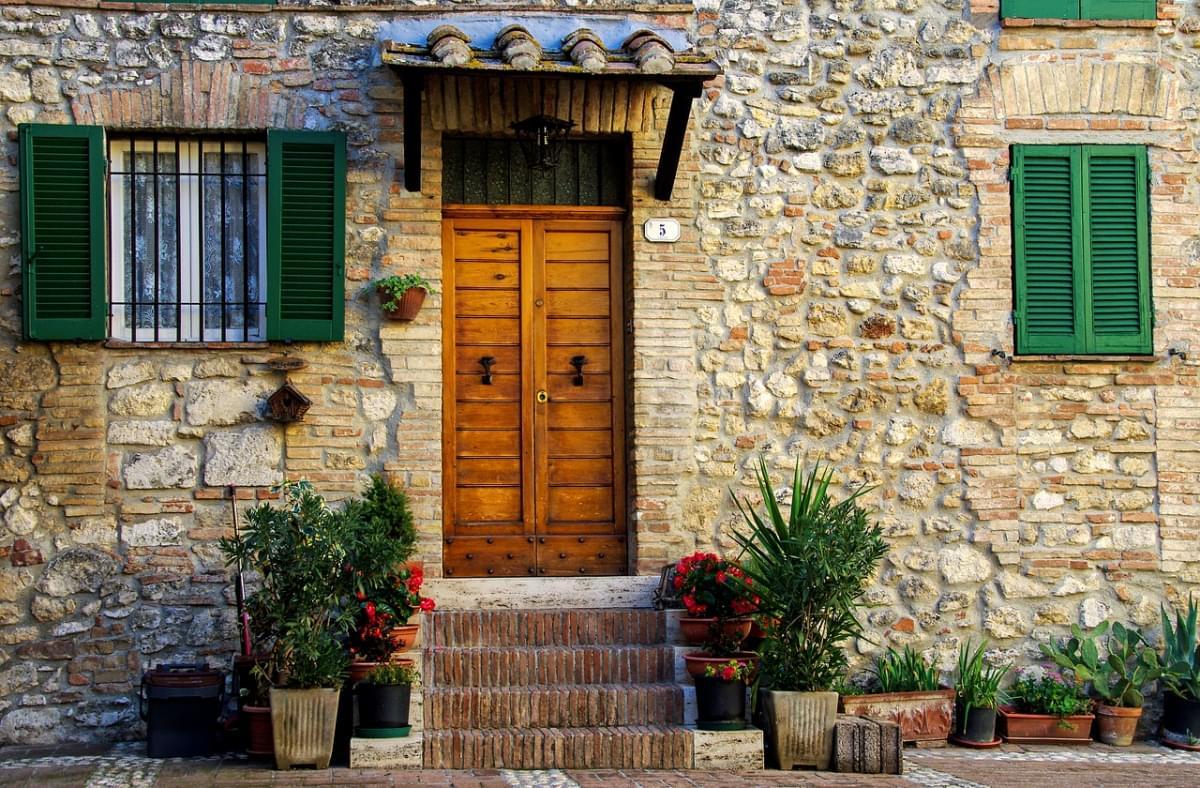 Municipality in the province of Terni, famous for its mineral and thermal waters, San Gemini is built on the remains of a Roman settlement along the ancient Via Flaminia.
In addition to the beautiful historic centre characterised by a typically medieval structure with churches, palaces and towers, just 4 km away are the remains of a Roman settlement 'Carsulae', which is now an open-air museum. For those wishing to relax and devote themselves to wellness, then, the locality is home to a famous Thermal Park occupying an area of 6 hectares where, from June to September, it is possible to have hydropinic treatments. Finally, families with children cannot miss a visit to GeoLab, the exhibition space dedicated to Earth Sciences.
Ideal time to visit: all year round, although spring, summer and autumn are the most suitable seasons. Also, from the last Saturday in September to the second Sunday in October, there is 'La Giostra dell'Arme', an event with a medieval atmosphere. December, on the other hand, is the month in which the 'San Gemini Cribs' are set up, and in July and August the town is usually the scene of musical events and concerts
What to see in and around the town: Porta Romana, Piazza San Francesco with the church of the same name, Church of San Giovanni, Church of Santo Stefano, Palazzo Pretorio, Torre Esperia, Porta Burgi, Palazzo Canova, Convent of Santa Maria Maddalena, Church of San Nicolò, Carsulae archaeological museum, Grotta degli Zingari, the Cisterne, Thermal Park, Geolab. San Gemini is 15 km from Terni
How to get there: Get directions
Where to stay: Hotels and b&b from €65.00 per room - see offers