Berlin is Germany's largest metropolis with 3.6 million inhabitants.
In total there are four cities in Germany with more than one million inhabitants
These are Germany's 10 largest cities
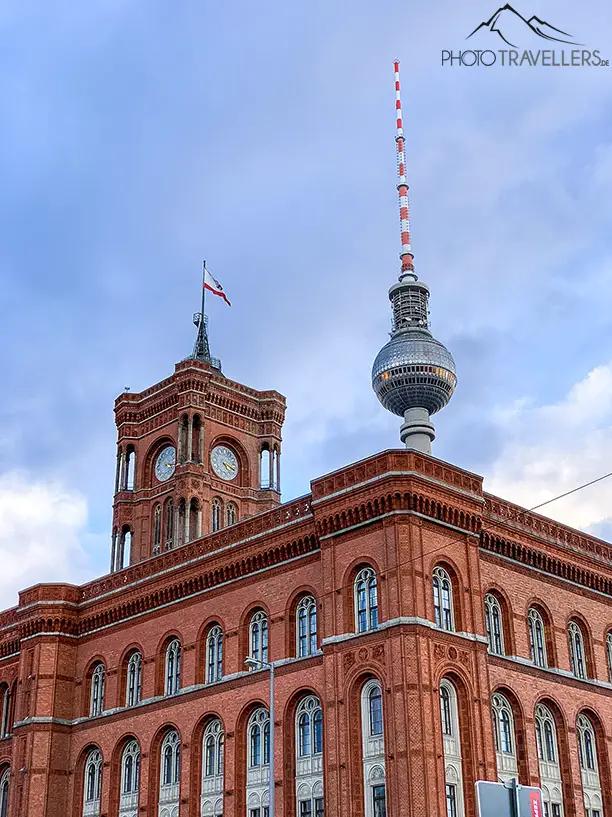 Berlin - here the Red City Hall with the Radio Tower - is Germany's largest city
These are Germany's largest cities at a glance:
Berlin (3.6 million inhabitants)
Hamburg (1.8 million inhabitants)
Munich (1.5 million inhabitants)
Cologne (1.1 million inhabitants)
Frankfurt (750,000 inhabitants)
Stuttgart (630,000 inhabitants)
Düsseldorf (620,000 inhabitants)
Leipzig (590,000 inhabitants)
Dortmund (590,000 inhabitants)
Essen (580,000 inhabitants)
1. Berlin: Germany's largest city
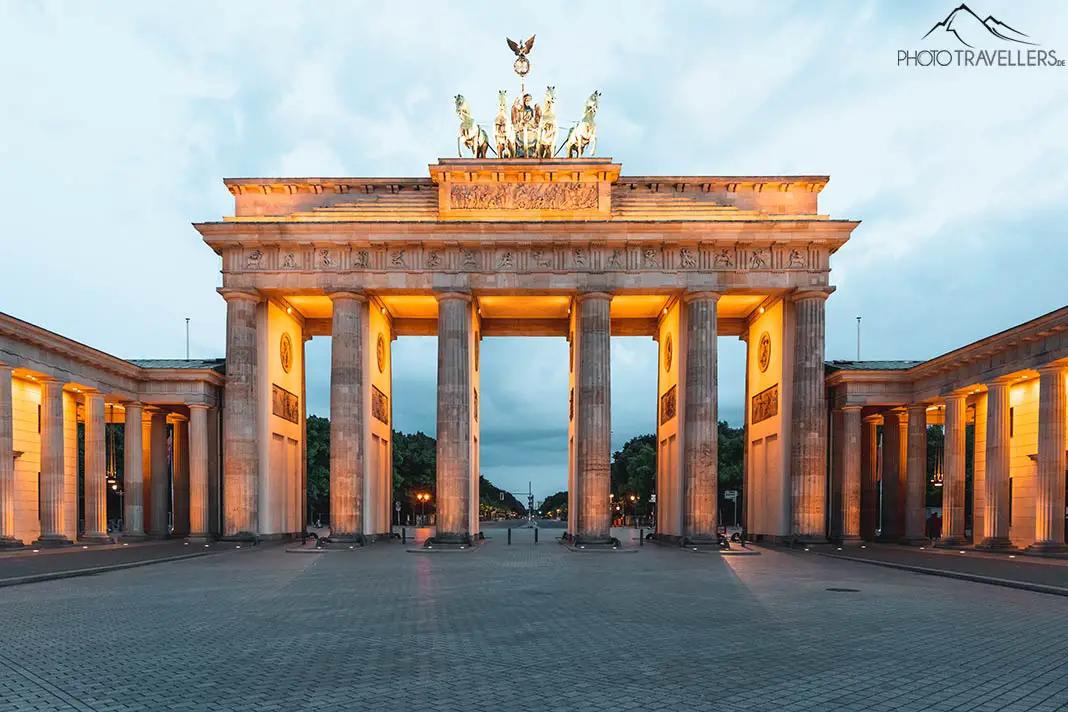 The Brandenburg Gate is the landmark of Berlin, Germany's largest city with more than 3.6 million inhabitants.
With more than 3.6 million inhabitants, Berlin is Germany's largest city. However, with an area of 891 square kilometres, Berlin is Germany's largest city not only by population but also by surface area.
Berlin is rugged, loud and dirty, but also exciting and always thrilling. The city is constantly changing and there is something new to discover every day. If you're looking for art, culture, culinary delights and funky clubs, Berlin is the place to be. Of course, Berlin also offers many parks and recreational areas.
The Tiergarten , for example, is the city's green lung and a popular weekend destination. But the Grunewald forest in the western part of the city (insider tip for non-Berliners: be sure to climb the Teufelsberg ) or the Großer Müggelsee lake in the eastern part of Berlin are also great destinations for a summer excursion.
Among the top highlights in Berlin are Alexanderplatz and the Nikolai Quarter, the Brandenburg Gate and the Victory Column, the Reichstag building and Potsdamer Platz.
2 Hamburg: the largest city in northern Germany
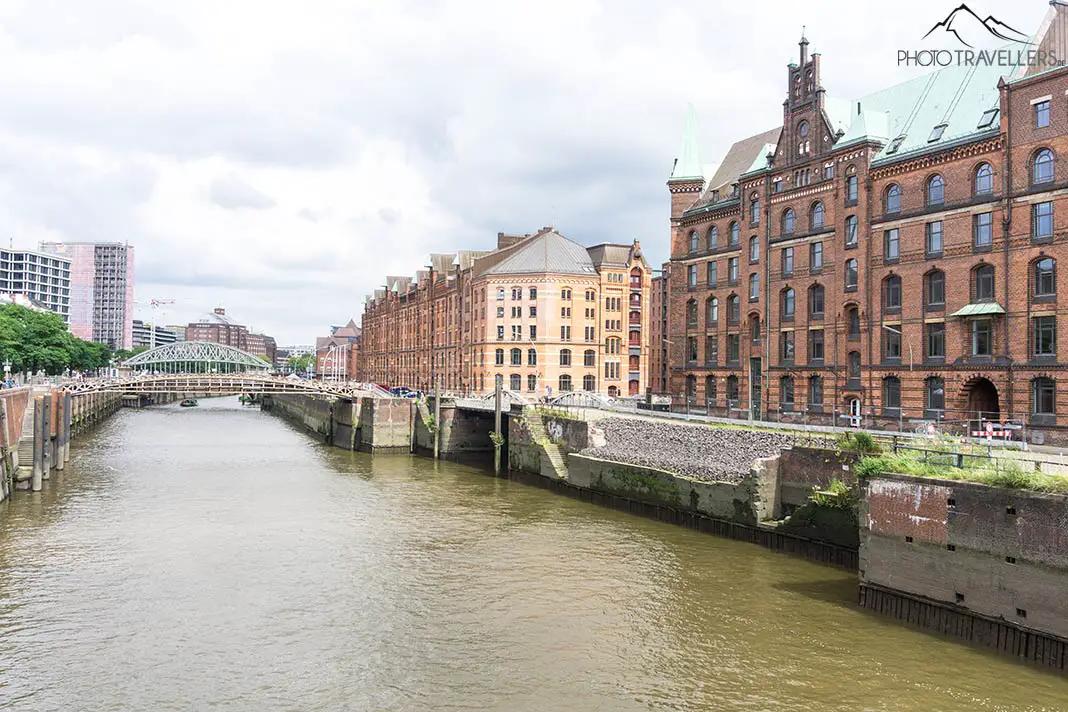 The Speicherstadt is one of the top sights in Hamburg, Germany's second largest metropolis.
With more than 1.8 million inhabitants, Hamburg is Germany's second largest city and the largest city in northern Germany.
Hamburg has an incredible amount to offer. Overall, however, things are much more cosy and relaxed in Hamburg than in Berlin - at least that's our impression.
After a long night in the St. Pauli district on the Reeperbahn , you should head to the fish market in the morning. After a fish sandwich, you'll quickly regain your strength. A visit to the fish market is a real experience.
There is a lot to discover in Hamburg's city centre. The top attractions in Germany's second-largest city include the old warehouse district with the Miniatur Wunderland, the harbour with the landing stages, the Alster Lake and the Jungfernstieg.
Hamburg is also known for its many elaborately produced musicals. Today Hamburg is the number 1 musical city in Germany.
Munich: Big city with mountain views
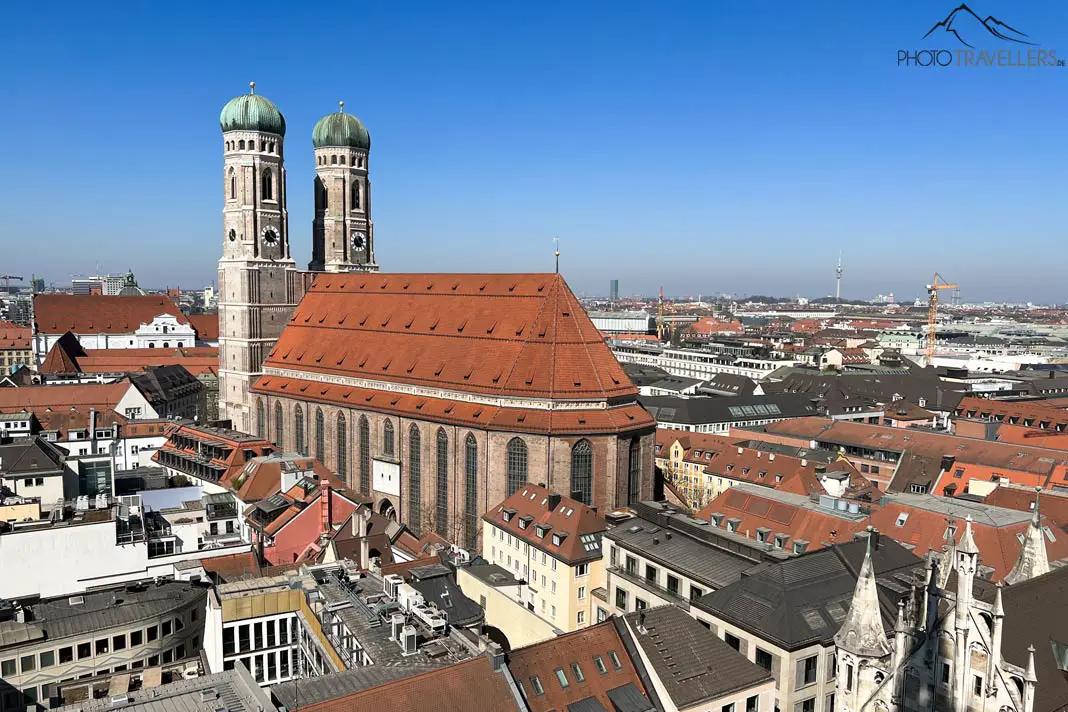 The Frauenkirche is the landmark of Germany's third-largest city, Munich.
Almost 1.5 million people live in Munich. This puts the Bavarian capital in third place among the largest cities in Germany. It is also Bavaria's largest city and the largest city in southern Germany.
Munich is particularly famous for the Oktoberfest on the Theresienwiese. The largest folk festival in the world - Munich residents refer to it as the Wiesn - attracts between six and seven million visitors every year.
But Munich also has a lot to offer in other respects. There is much to discover in Munich's city centre, such as the always crowded Marienplatz with the New Town Hall and the famous Glockenspiel, the Viktualienmarkt, the Frauenkirche or the BMW Welt.
Munich's pub and beer garden culture is legendary. When the weather is nice, hundreds of thousands of people flock to the Isar river or to one of the countless beer gardens (there are said to be more than 1000 beer gardens in Munich) every evening. Here you can drink a beer or a shandy in comfort and, if the sun is shining, you can also eat something. You can get your snack in the beer garden - or you can bring your own snack (pretzel, Obazda, cheese, sausage, cold roast meat, salads, but of course also pizza or sushi). This tradition is laid down in the Bavarian beer garden regulations.
A tip: people sit together on the beer benches. You can always strike up a conversation here if you get involved. And: Be sure to toast with the whole table when you drink. Anything else is rude.
Good to know: With 8,000 seats, the Königlicher Hirschgarten is the largest beer garden in the city. It is followed in second and third place by the beer garden at the Chinese Tower with 7000 seats (one of the top highlights in the English Garden) and the Augustiner-Keller with 5000 seats.
In addition to the many beer gardens in the city, there are also countless pub gardens where you can enjoy a mild summer evening. Unlike in the beer garden, however, you are not allowed to bring your own food here.
And if it rains, simply visit one of the many inns. The Hofbräuhaus, the Löwenbräukeller and the Ratskeller are legendary.
Germany's third-largest city is famous for its fantastic location near the Alps. Here you can find the most beautiful hikes around Munich.
4 Cologne
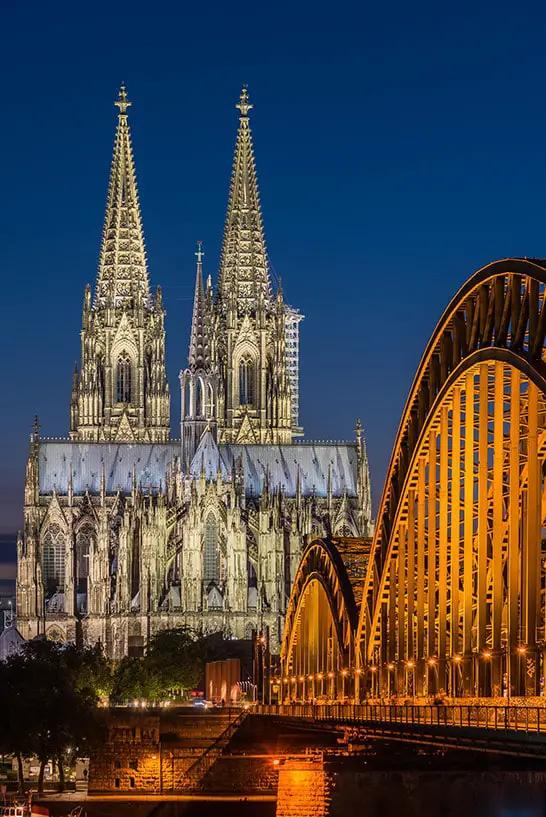 This is the view of the Hohenzollern Bridge with Cologne Cathedral in the background - Photo: Kurt Hossfeld
Almost 1.1 million people live in Cologne - making the metropolis on the Rhine Germany's fourth-largest city.
The Cologne Cathedral, one of the 100 most beautiful sights in Germany, is legendary and famous all over the world. A trip to Cologne is worthwhile for the cathedral alone. But Cologne's Old Town with the Old Market Square and the historic Town Hall is also absolutely worth seeing.
The green lung of the city is the Rhine Park, from which you have a great view of the city. Apart from the old Rheinauhafen harbour , the Belgian Quarter around Brüsseler Platz and the adjacent Hohenzollernring, which is a strolling and party area, are also worth a visit.
In the Agnesviertel you'll find many nice restaurants, bars and cafés next to imposing buildings like the Alte Feuerwache (old fire station ). Fort X, a historic fortress with a rose garden, is also located there.
Südstadt is often referred to as one of the most "Urkölsch" neighbourhoods. The popular area around Chlodwigplatz with the Severinstorburg all the way to the Rhine also has numerous cafés, bars and restaurants to offer.
Not to be forgotten is the Cologne Carnival. Carnival in Cologne is one of the largest and best-known carnival festivals in the world. By the way, in Cologne they also say "Fastelovend" or "Fasteleer". The so-called fifth season begins every year on 11 November at 11:11 am. The street carnival opens in spring on the day of Weiberfastnacht, also at 11:11 am. The official highlight of Cologne Carnival is the Rose Monday parade.
5 Frankfurt on the Main
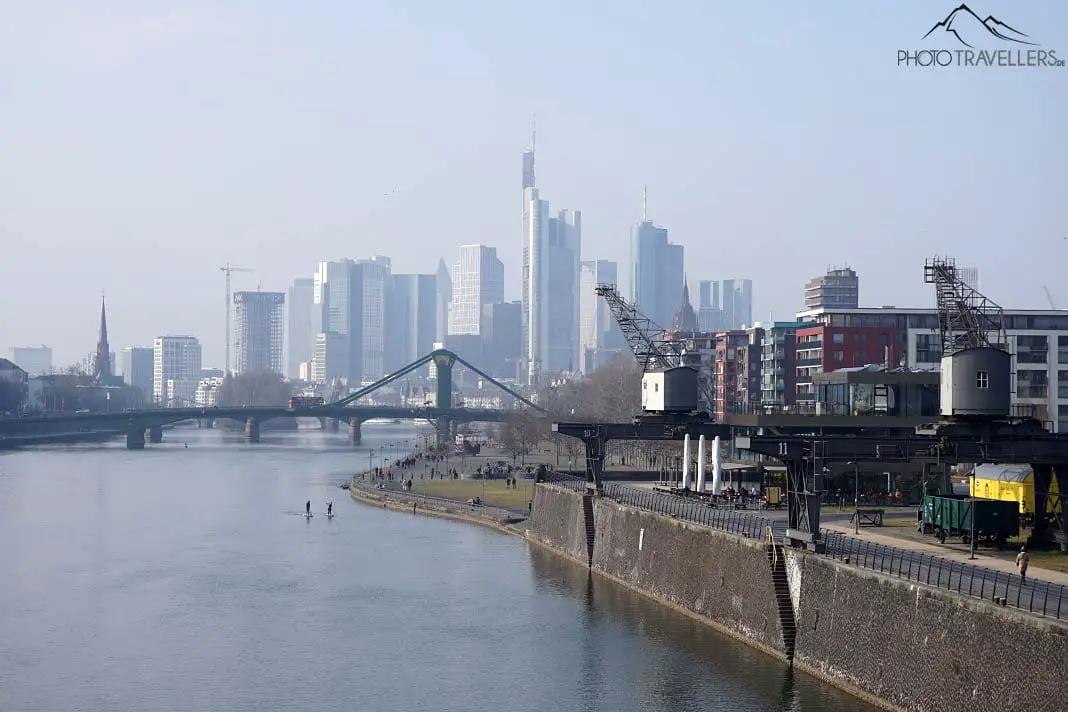 From a purely visual point of view, Frankfurt, with its imposing skyline, could be Germany's largest city. In terms of population, Frankfurt am Main ranks 5th.
With a population of around 750,000,Frankfurt am Main is Germany's fifth-largest city.
Frankfurt's skyline is the only one in Germany worthy of the name. At 259 metres, the Commerzbank Tower is not only the tallest building in the city, but also the tallest building in Germany. The Messeturm, the Westendstraße 1 high-rise, the Maintower and Tower 185 also rise more than 200 metres. And that's not all: Germany's ten tallest buildings are all located in the Main metropolis.
If you like impressive skyscrapers, take a look at our articles on New York, Chicago, Toronto, London and Singapore.
Of course, Frankfurt is not only made up of imposing skyscrapers. The city's highlights include the Kleinmarkthalle, the Sachsenhausen district, the banks of the Main and the Römer. So you see: There's a lot to discover in Frankfurt.
6. stuttgart
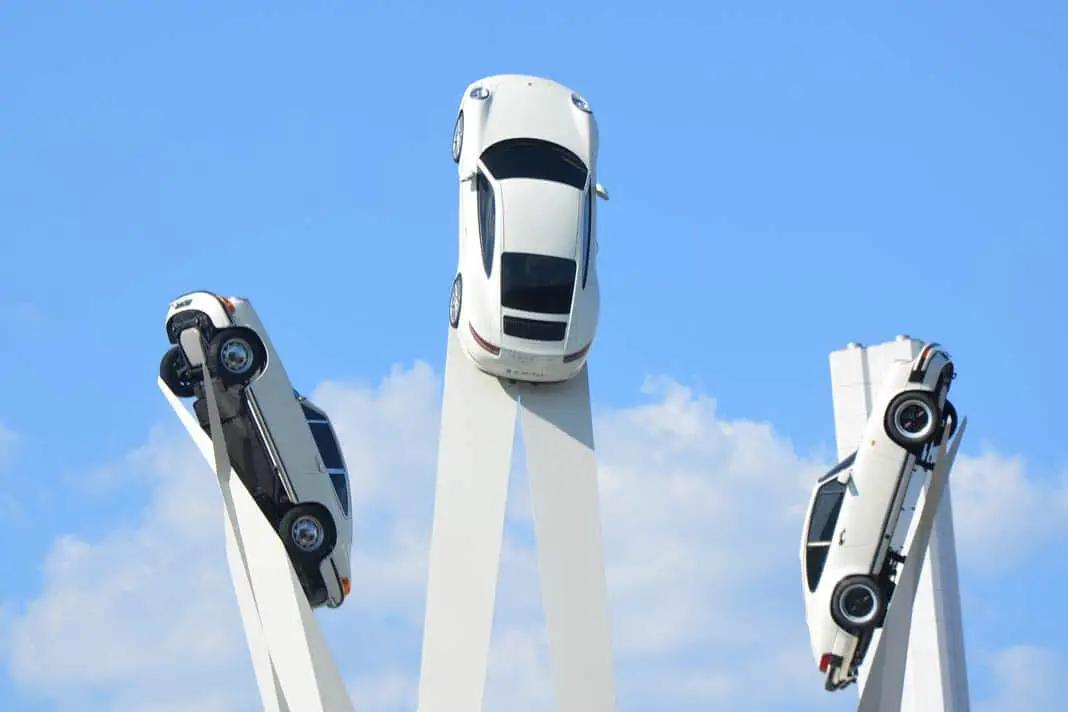 Stuttgart is Germany's sixth largest city. The Porsche Museum is an absolute highlight, not only for car fans.
With a population of around 630,000, Stuttgart is Germany's sixth-largest city.
The capital of Baden-Württemberg is particularly well known as the headquarters of the car manufacturer Daimler. So it's no wonder that the Mercedes-Benz Museum is one of the city's highlights. The Porsche Museum is also worth a visit. After all, the sports cars of the VW subsidiary are manufactured in Stuttgart (Zuffenhausen).
Other top highlights in Stuttgart include the television tower, the zoo (Wilhelma), the State Gallery, the New Palace and Solitude Palace.
In addition, the Cannstatter Was en attract millions of visitors every year. The Cannstatter Wasen takes place in September and October and is one of the largest folk festivals in the region.
Stuttgart is also known for its many great musicals .
7 Düsseldorf
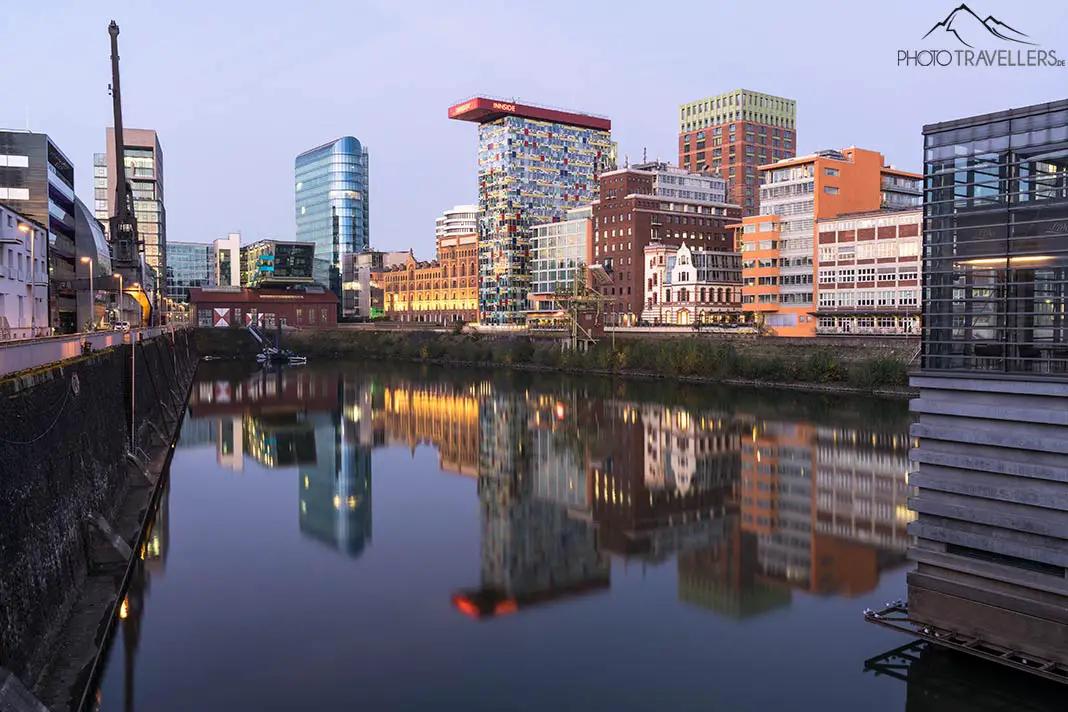 The Media Harbour is one of the most famous sights in Germany's sixth largest city, Düsseldorf.
With a population of around 620,000, Düsseldorf is Germany's seventh-largest city.
Particularly worth seeing is Düsseldorf's beautiful old town with its many pubs. There is always something going on here. Of course, the Königsallee - also known by the nickname "Kö" - should not be missed on any Düsseldorf trip. Here you will find one luxury shop after another.
A detour to the Media Harbour is very worthwhile. In addition to many restaurants, you will find many exciting buildings here. A real highlight for architecture fans.
Other highlights in Düsseldorf are the Rhine Tower, the Maritime Museum in the Schlossturm, Benrath Palace and the Hofgarten.
Just like in Cologne, the carnival in Düsseldorf is the top event of the year.
8 Leipzig
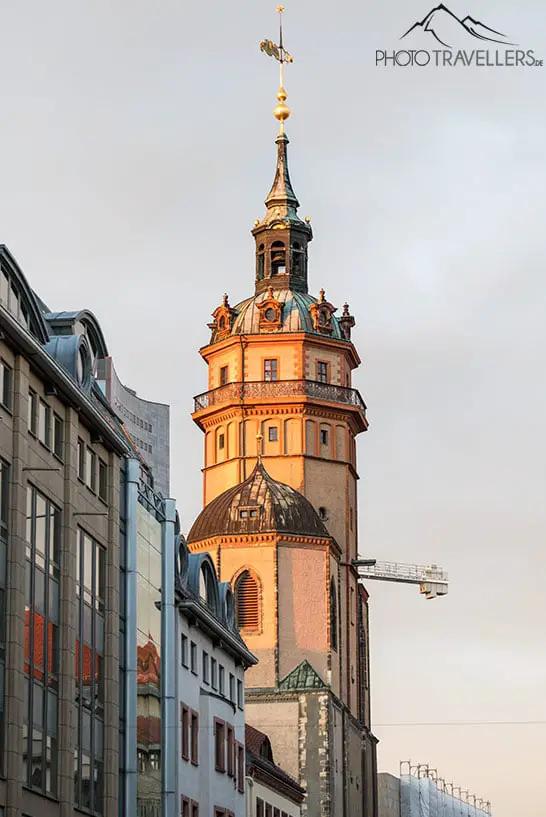 Leipzig is Germany's eighth largest city. The New Town Hall is one of the highlights of the hip Saxon metropolis.
In eighth place of the top 10 cities in Germany is Leipzig with just under 600,000 inhabitants. Incidentally, this makes Leipzig the second-largest city in the new federal states (i.e. in the former GDR) after Berlin.
Leipzig is fully in line with the trend. Young people in particular are flocking to the Saxon metropolis. There is a lot to see in Leipzig.
Among the top sights are the Nikolai Church - one of the city's landmarks - the Monument to the Battle of the Nations, the market square with the Old Town Hall and Augustusplatz. But the New Town Hall is also well worth seeing.
The new in district of the city is Plagwitz. Many compare Plagwitz with Berlin before the turn of the millennium. The district is known for its many small shops, pubs, bars and cafés. You will also find numerous galleries and studios in Plagwitz.
9 Dortmund
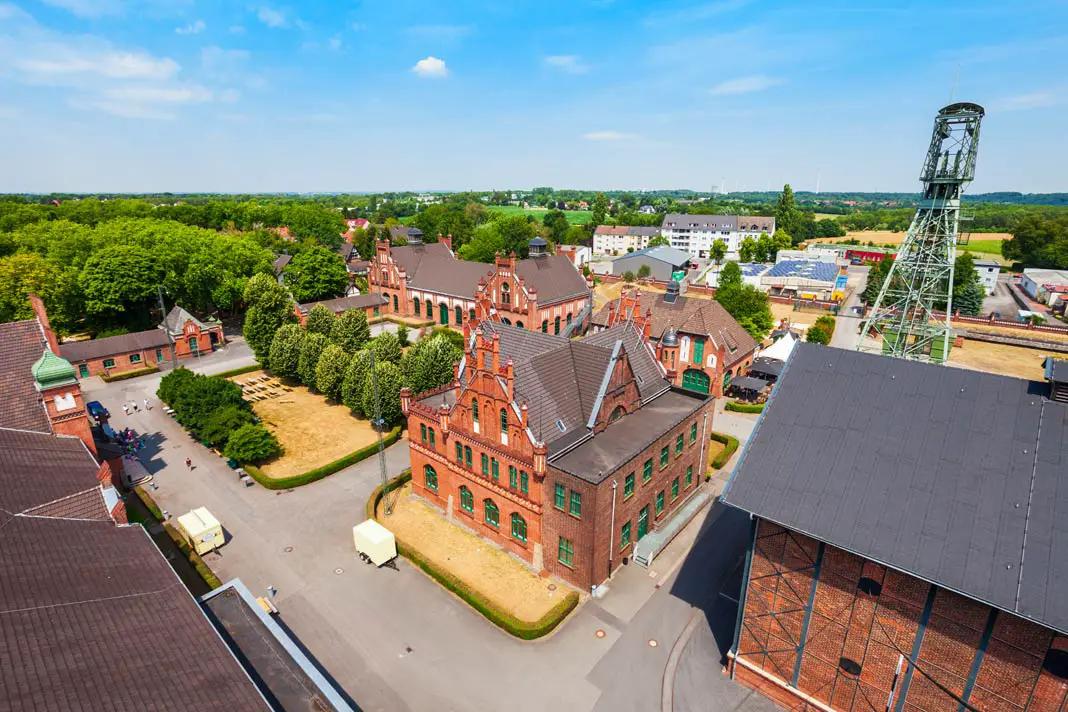 Dortmund is Germany's ninth largest city. The Zollern Coal Mine is one of the top attractions in the region - Image: Depositphotos by saiko3p
With just under 590,000 inhabitants, Dortmund is just behind Leipzig in terms of population. This puts Dortmund in ninth place in Germany.
One of the best-known sights of the former industrial metropolis in the Ruhr region is the Signal Iduna Park, the home stadium of the BVB. A stadium tour is a must for football fans.
The Ruhr area was once dominated by hundreds of coal mines. One of the most famous is the Zollern colliery. In the museum of the Landschaftsverband Westfalen Lippe (Westphalia Lippe Regional Association ) you can learn many exciting stories about this bygone era.
Of course, Dortmund's city centre with the Old Market Square and the Peace Square is also well worth a visit. A visit to the Florianturm tower is also a must on a Dortmund city trip. The 209-metre-high tower can be seen from afar. There is a viewing platform at a height of 142 metres.
Find out more about the beautiful sights Dortmund has in store for you in our special article.
10. Essen
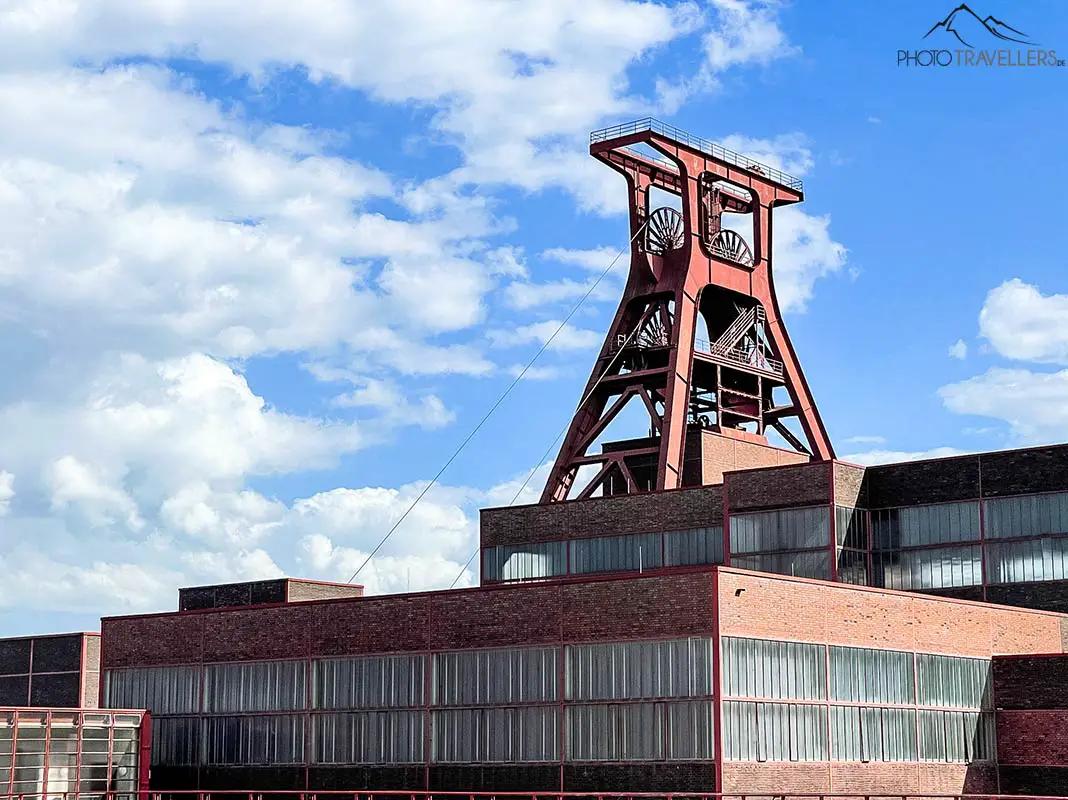 The Zollverein Coal Mine Industrial Complex in Essen is also known as the "Eiffel Tower of the Ruhr" and is one of the top excursion destinations in the Ruhr region.
The top 10 of the ranking of Germany's largest cities is completed by Essen , with a population of around 580,000.
Essen is not necessarily a classic destination for a city break in Germany. And yet the city has a few great highlights to offer. Essen is just a stone's throw away from Dortmund.
One of the most famous attractions in Essen is the Zollverein Coal Mine Industrial Complex. Those interested in culture can also visit the Karl Coal Mine. Today, concerts, parties, courses, workshops, readings and exhibitions take place in the former coal mine.
The historic district of Kettwig with its many old houses and alleys is absolutely worth a visit. A great place to end a warm summer day is the shore of Lake Baldeney. The lake is one of the most popular recreational areas in the Ruhr region.
Other highlights in Essen include Villa Hügel, Grugapark and Borbeck Palace with its pleasure garden.
FAQ on the largest (and smallest) cities in Germany and the world
What is the largest city in the world?
With around 38 million inhabitants in the metropolitan area, Tokyo is the largest city in the world. In comparison, Berlin is almost a village with just under four million inhabitants.
What is the largest city in Europe?
The largest city in Europe is Moscow with just under 13 million inhabitants. It is followed by Paris with over eleven million inhabitants and London with just under ten million inhabitants.
What is the name of Germany's smallest city?
Germany's smallest town is Arnis on the Schlei. Arnis in the north-east of Schleswig-Holstein has just 300 inhabitants. But how is that possible? In 1934, the mayor at the time submitted an application to this effect, which was approved. Today that would no longer be possible. A place is not officially considered a small town until it has 5,000 or more inhabitants.
Related articles
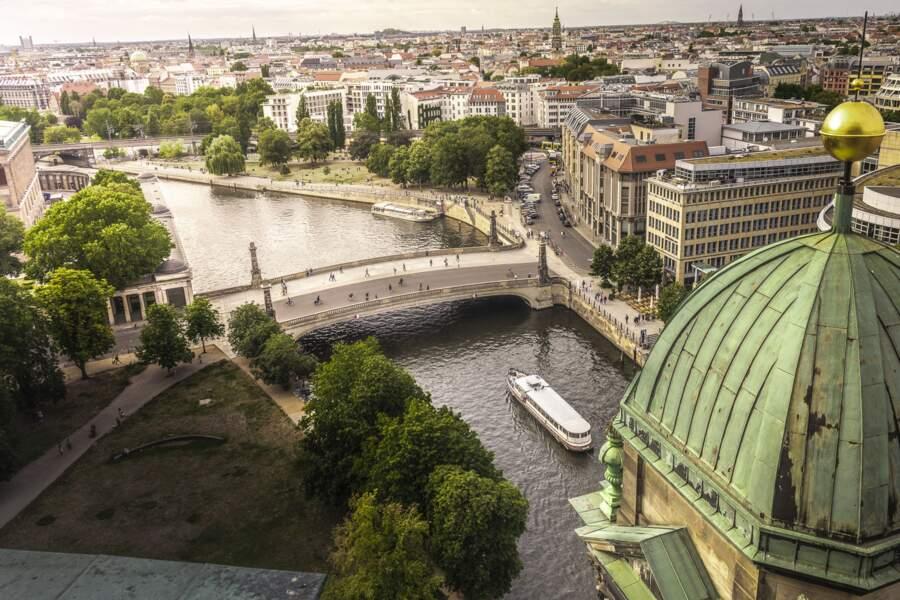
Berlin by the river: a journey through one of Europe's most fascinating capitals
The best hotels in Berlin for city breaks
Berlin: 9 places for top breakfasts

10 Things to eat in Berlin and where
Where to emigrate from Germany? The 15 best countries
Do you know the oldest cities in France?
What to do in Montsoreau, one of the Most Beautiful Villages in France located in Maine-et-Loire?