Holidays in Italy: endless possibilities
Italy has a wide variety of landscapes: On the one hand, the Republic (together with France) has the highest mountain in the European Union, the 4810 metre high Mont Blanc - Monte Bianco in Italian - as well as other high mountains. On the other hand, the Italian Riviera, the Gulf of Naples, the Italian Adriatic coast and the numerous islands and islets offer ideal bathing opportunities and beaches.
In the Po Valley, the landscape is dominated by greenery. Well-known bodies of water such as the Po and the Tiber, Lake Maggiore, Lake Garda (click here for an overview of Lake Garda) and Lake Como are all worth a visit. Lake Como as well as Lake Trasimeno and several others provide fertile zones.
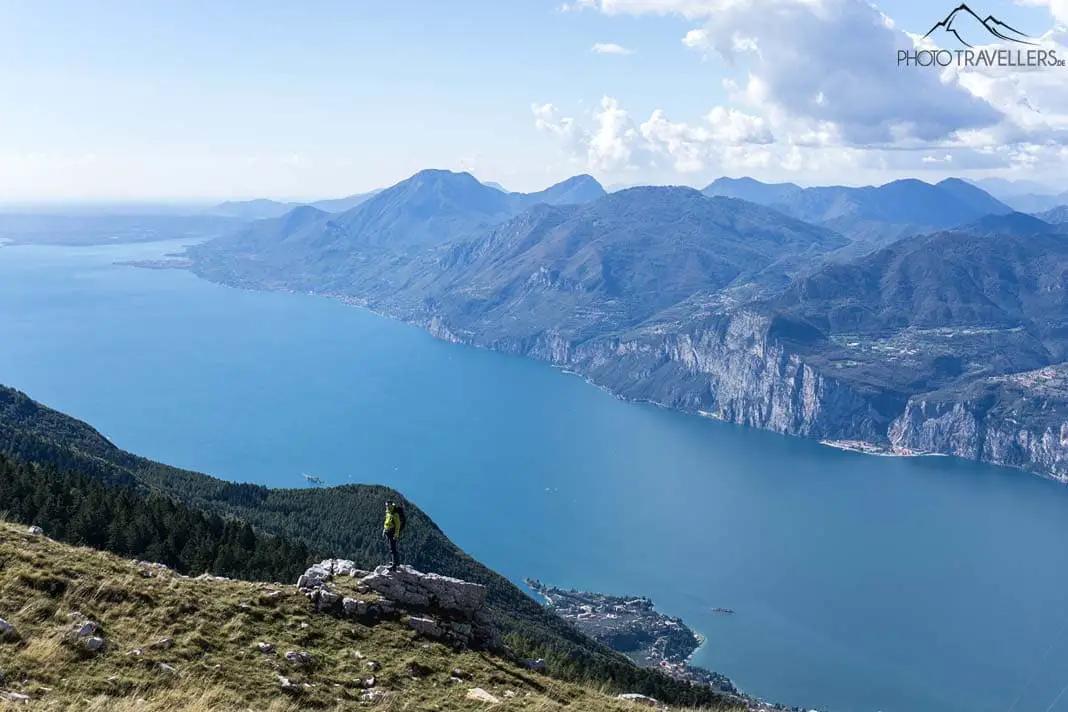 The view of Lake Garda from Monte Baldo - isn't that dreamlike? As beautiful as any holiday in Italy
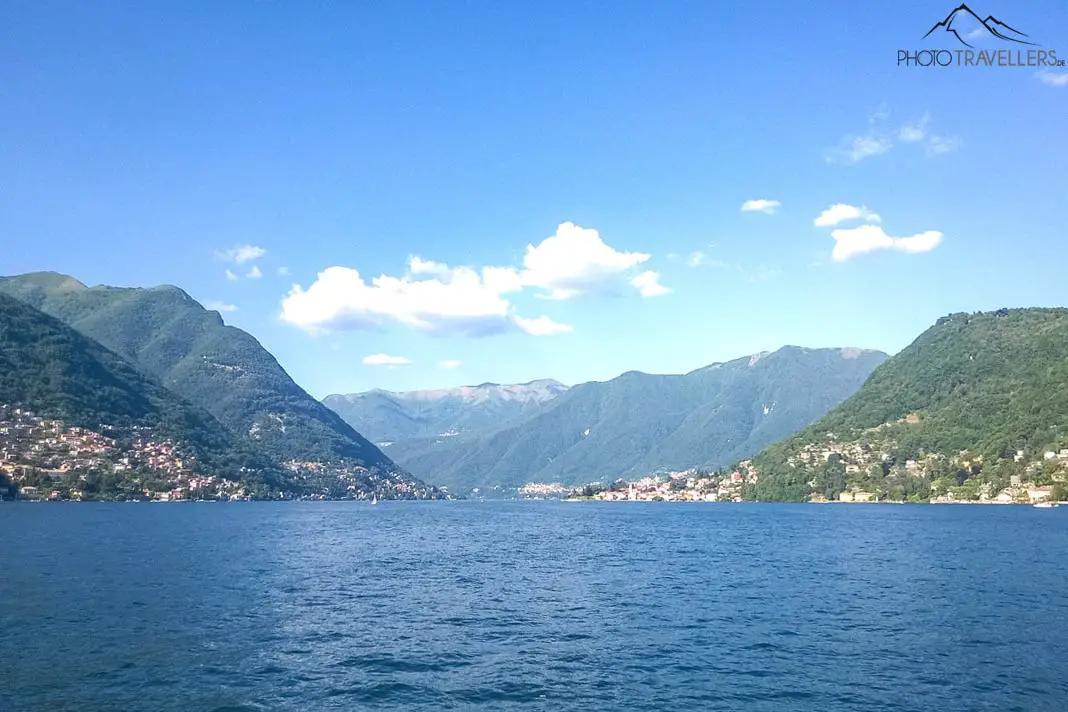 Lake Como is also a top holiday tip in Italy
A special feature are the volcanoes: the 1281-metre-high Vesuvius near the port city of Naples is currently in its dormant phase. The 3357-metre-high Etna on the Italian island of Sicily, on the other hand, is still active. Stromboli on the small island of the same name is also an active volcano.
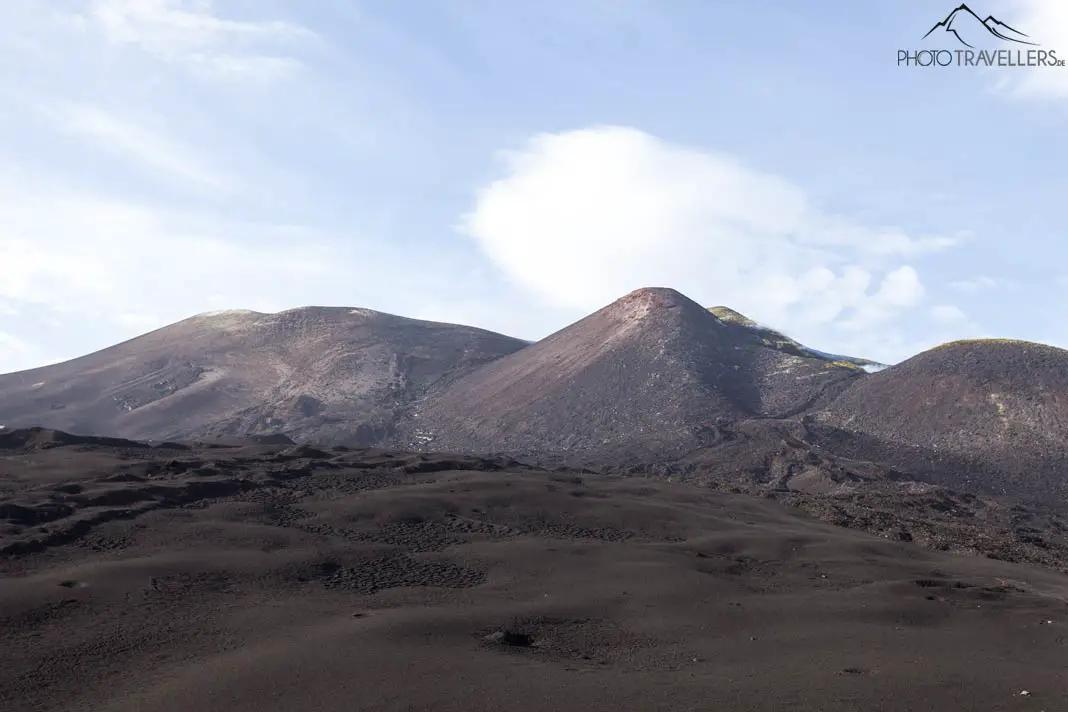 It is a bit of an adventure to climb the 3323-metre-high Etna on foot. If that's too much for you, you can also use the cable car and cross-country buses.
Italy is the holiday destination par excellence
Tourism in Italy was already booming in the 1960s, when travelling to foreign countries was by no means a matter of course. Holidays by the sea were already very popular back then. But holidays in the mountains were also practised back then.
Even today, Italy has lost none of its appeal for people from all over the world - on the contrary! The country where the lemons bloom - as Goethe so aptly described it - welcomes more than 52 million foreign guests every year. And the trend is rising. So it's no wonder that tourism is one of the country's main sources of income.
Popular holiday regions in Italy
The most popular holiday regions are scattered throughout the country: the Alps for hiking or winter sports, the approximately 7600-kilometre-long coastal region with fine sandy beaches and holiday resorts on the Adriatic and Ligurian Seas. Also worth a trip are culturally and historically interesting cities such as Pisa, Verona (to the top sights in Verona), Venice (to the top sights in Venice), Florence or Rome.
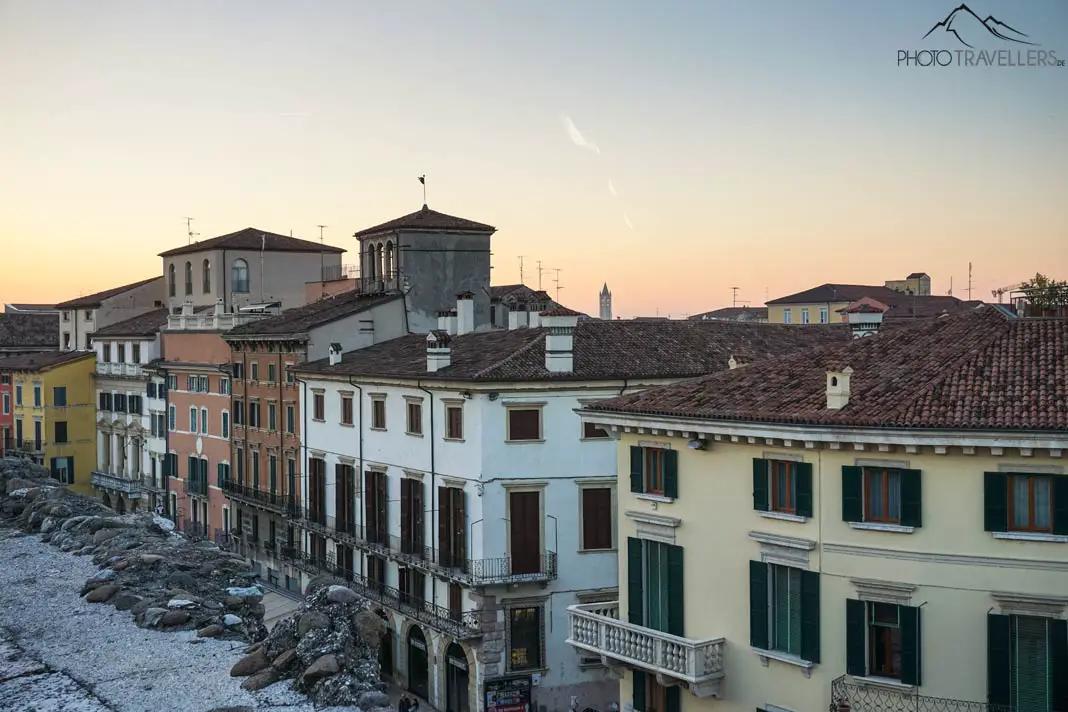 Verona is a great city and a popular destination for holidaymakers on Lake Garda.
Incidentally, Italy has the most UNESCO World Heritage Sites, which ensure that tourism is booming. It is estimated that there are around 100,000 monuments of various kinds on historic Italian soil. Pilgrims from all over the world are drawn to Rome's St. Peter's Square, especially during the Easter holidays, to catch a glimpse of the Pope delivering his Easter address.
There are also plenty of places to stay on holiday. Whether it's a holiday home or flat, a guesthouse or hotel, a campsite during a beach holiday or a chalet in the Dolomites, Italian hospitality and typical Italian gastronomy are included.
Holidays in Italy: beach holidays, winter sports, short breaks
Holidays in Italy do not only mean holiday time in summer. On the contrary, the Republic is popular twelve months a year: beach holidays in summer, winter sports in the mountains in winter, short breaks for city trips or sightseeing tours.
Especially in spring and autumn, tourists like to travel to popular holiday resorts and regions such as Tuscany, Lake Garda or the Amalfi Coast or to one of the holiday islands. Italy has the right holiday for everyone and for every season.
Holidays on the Italian islands
Hundreds of Mediterranean islands belong to Italy. By far the largest and best-known islands are Sicily and Sardinia - both great holiday destinations. By the way, the ten largest islands in Italy are:
Sicily 25,702 km2
Sardinia 24,090 km2
Elba 224 km2
Sant'Antioco 109 km2
Pantelleria 83 km2
San Pietro 51 km2
Asinara 51 km2
Ischia 46 km2
Lipari 37 km2
Salina 27 km2
Sicily really is a top holiday destination. The island is incredibly diverse. Besides delicious food (how could it be otherwise in Italy), you will find beautiful beaches, great hiking tours (for example on Mount Etna) and numerous historical sites such as the world-famous Valley of the Temples.
If you are interested in antiquity, you have to go to Sicily! But the capital Palermo is also exciting. Here are our top sights in Palermo. A tour of Palermo's artisan quarter is also highly recommended. A real Palermo secret tip is the Danisinni district.
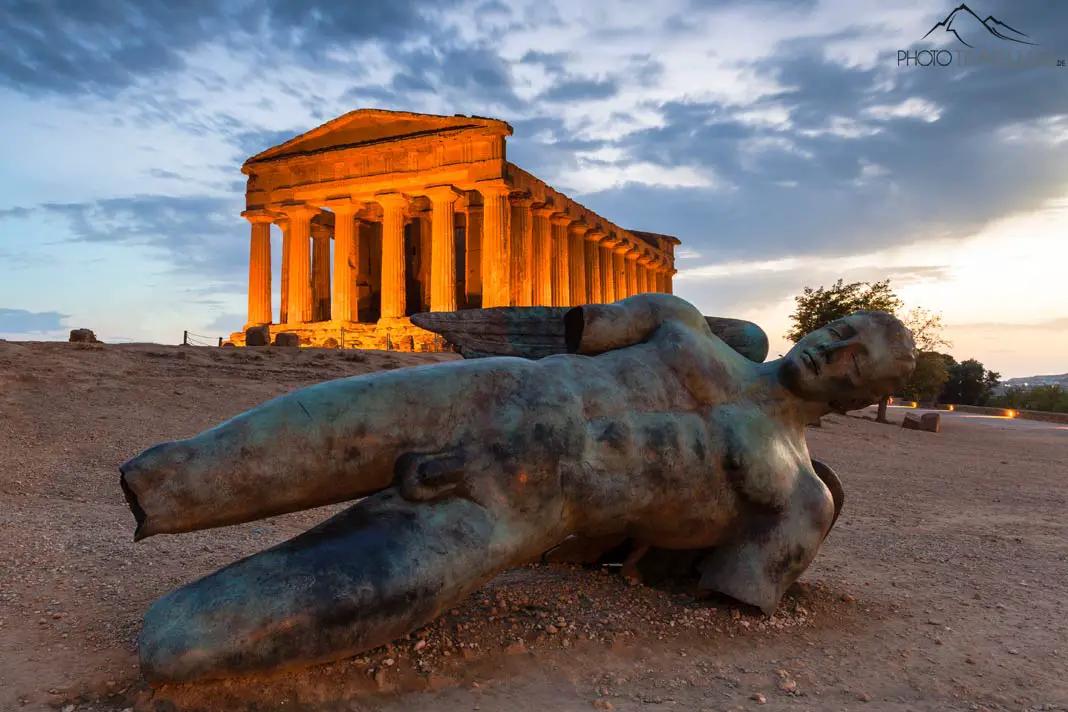 The Valley of the Temples in Sicily is a real tourist magnet and a highlight on any trip to Italy.
Sardinia is a great destination - but also very different from Sicily. The top highlights in Sardinia are definitely the beautiful dream beaches. If you didn't know any better, you might think you were on holiday in the Seychelles or the Caribbean.
But Sardinia is also really great for hiking. If it should rain, we'll tell you the best tips for dreary rainy days in Sardinia. You can also find the top sights on Sardinia here.
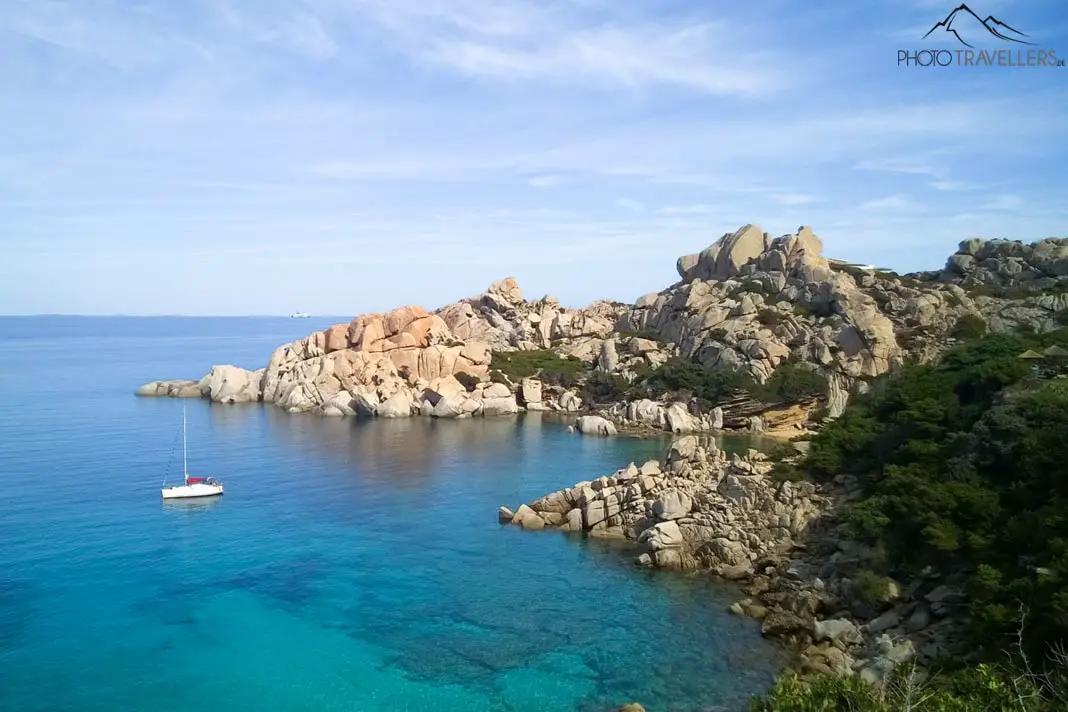 One of the many dream beaches on Sardinia
Italy: Modernity meets antiquity
A holiday in Italy is not only synonymous with sun, beach and sea. Holiday destinations may well be some of the most important and/or largest cities. It doesn't matter whether you're planning a short break or a summer holiday, or travelling at another holiday time, Italian cities are always something special.
Typical Italian life pulsates here: street cafés, heavy traffic, noisy Italians - which is by no means synonymous with quarrelling - as well as inviting boutiques with exceptional Italian fashion. Typically Italian, almost all cities have at least some historical feature.
The largest and most visited city is the Italian capital, Rome. Nowhere else do antiquity and modernity meet as often as here: modern shops and new residential districts exist alongside ancient ruins such as the Forum and the Colosseum, numerous museums bear witness to almost 3000 years of art and cultural history. And even underground - in the catacombs - you can encounter the history of the city of Romulus and Remus.
Milan is the second largest city on the peninsula. Here, too, old meets new. In this northern metropolis, for example, the famous Milan Cathedral and the monastery of Santa Maria delle Grazie, in whose dining room hangs the famous painting by Leonardo da Vinci - "The Last Supper" - exist alongside modern centres of design and fashion, expensive restaurants, boutiques as well as the Milan Stock Exchange and a large university.
Much smaller, but comparable in importance, are the cities of Florence, Siena and Pisa in Tuscany (to the top photo spots in Tuscany). Here - on the Ligurian side of the sea - there is a myriad of historical witnesses on a relatively small terrain. On the Adriatic Sea, the lagoon city of Venice (here we tell you ten things you'll hate about Venice & here you'll find great Venice secret tips) is one of the most important, world-famous cities.
Last but not least is the southern Italian city of Naples, which boasts the typical Neapolitan lifestyle as well as numerous sights such as the offshore islands of Capri and Ischia, or Mount Vesuvius with the ancient excavation site of Pompeii.
You simply have to see it in Italy!
Due to the numerous official and unofficial sights, it would take years to visit everything worth seeing. Here is a rather small and subjective selection:
The Dolomites (to our top hikes in the Dolomites), a dream of a landscape! If you love mountains and nature, this is the place for you.
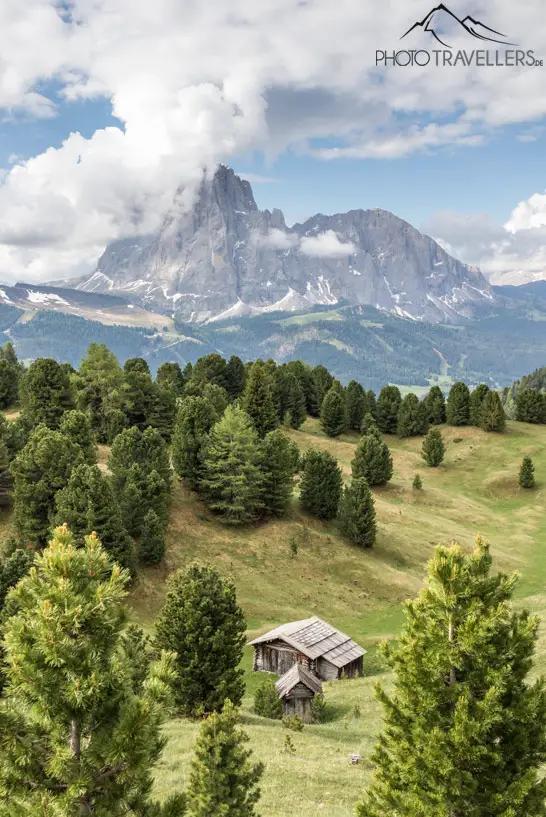 The Dolomites are considered the most beautiful mountains in the world. If not here, where should you spend your hiking holiday in Italy?
Lake Garda (among the most beautiful lakes around Lake Garda) and its numerous "brothers" - such as Lago d'Iseo or Lago Maggiore - are not only a popular holiday destination for water sports enthusiasts.
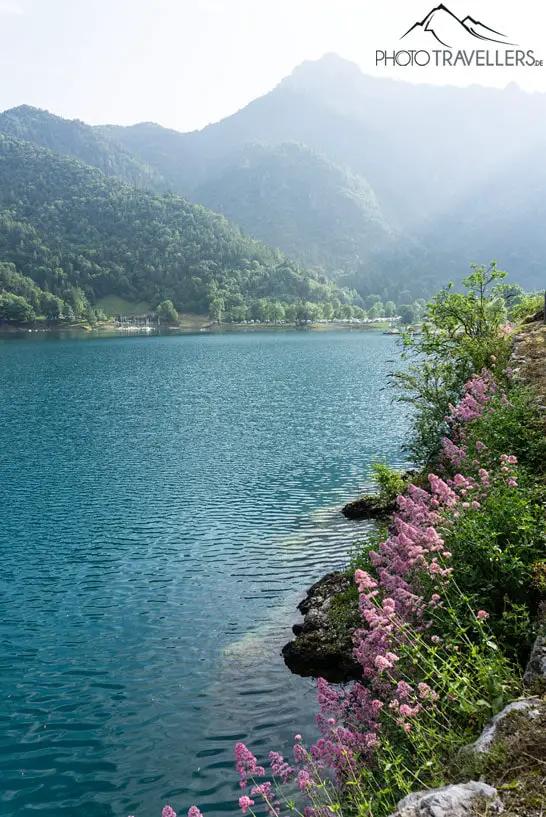 Lago di Ledro is beautifully situated and a great alternative to Lake Garda.
In June, the annual tortellini festival, the festa del nodo d'amore (festival of the love knot) takes place in Borghetto (see our report on the tortellini festival on Lake Garda).
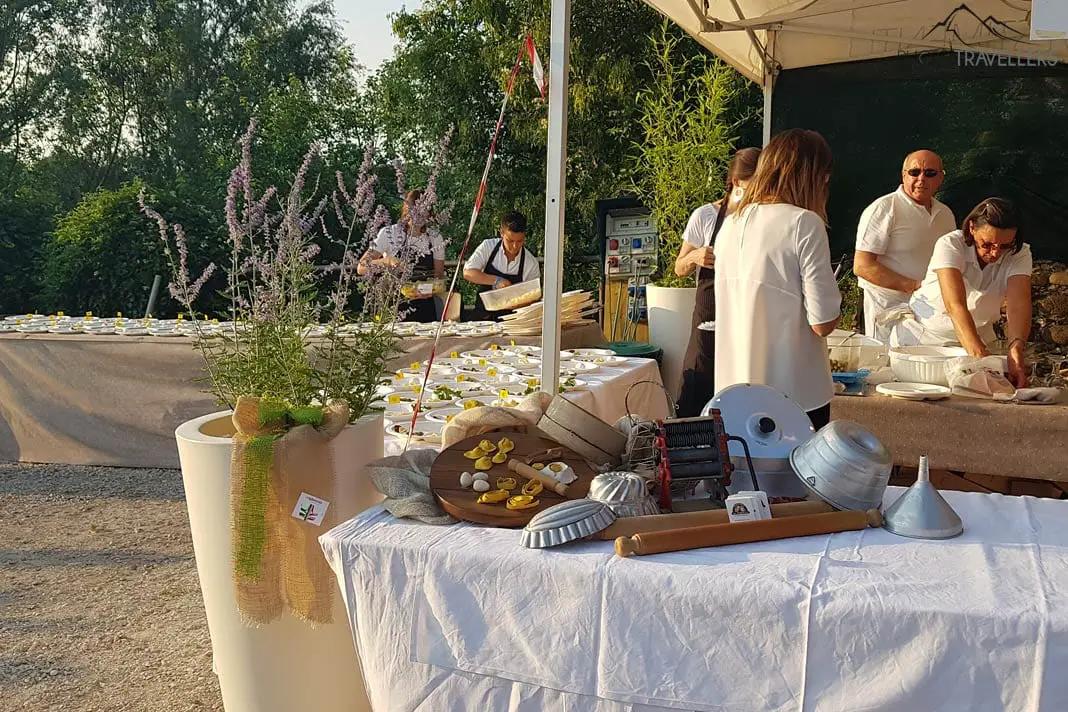 The Tortellini Festival in Borghetto is a highlight in the Lake Garda region in June.
For a beach holiday, both coasts are recommended, although you can find crowded beaches - for example near Rimini - but also less frequented ones - for example in the far south in the Basilicata region.
The Amalfi Coast is a real feast for the eyes. It is best enjoyed outside the summer months.
Similarly, the Cinque Terre coastline, where the five picturesque villages are at their most beautiful out of season.
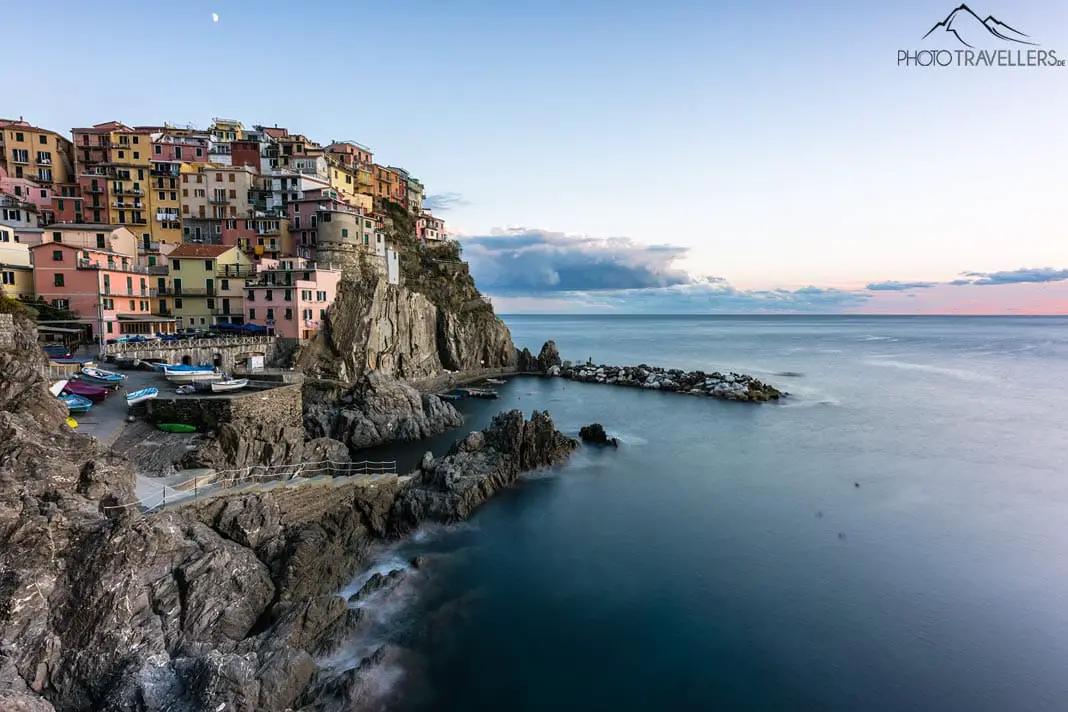 Manarola in Liguria: The small town on the coast of Liguria is a top spot for photographers and tourists and should not be missed on any trip through Italy
The most tourists are found in Tuscany. Here, holiday resorts and sights such as the Leaning Tower of Pisa, Florence - Michelangelo's city with the famous Uffizi Gallery -, San Gimignano - the city of towers -, as well as Siena, the marble city of Carrara, Volterra, the sulphur baths in Saturnia, the Monte Argentario peninsula and many others attract numerous tourists.
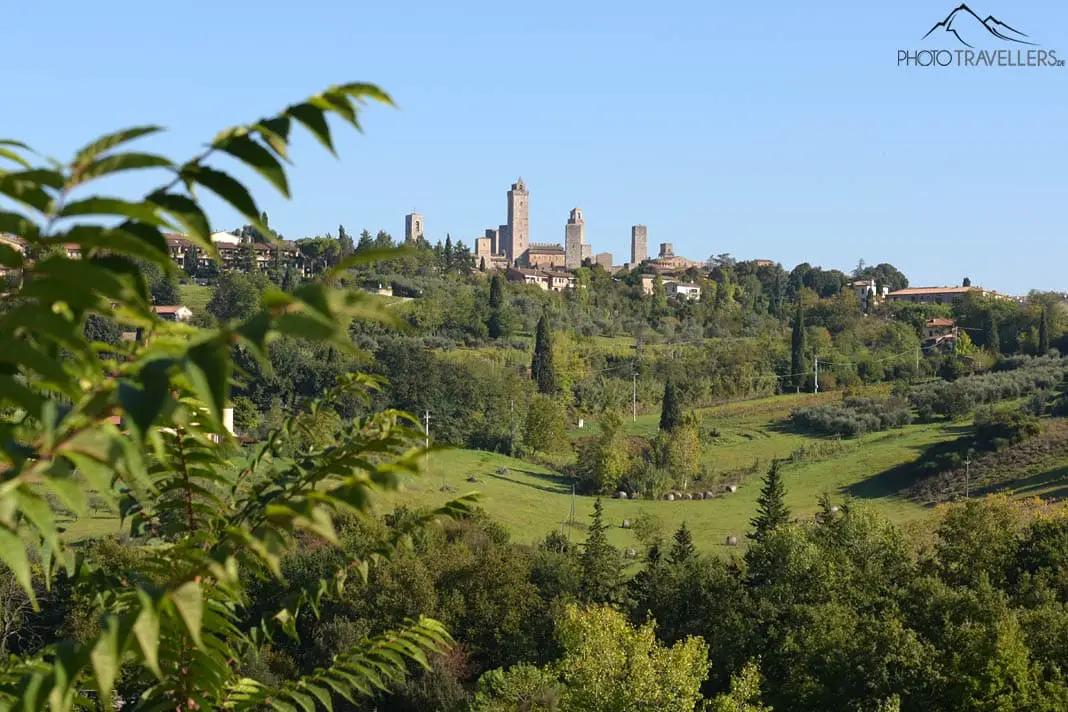 The ancient town of San Gimignano is a highlight on any trip to Italy.
"SeeVenice and die", Thomas Mann claimed. You shouldn't die, but a visit to the enchanting lagoon city is a must for every traveller to Italy (to Venice's top sights).
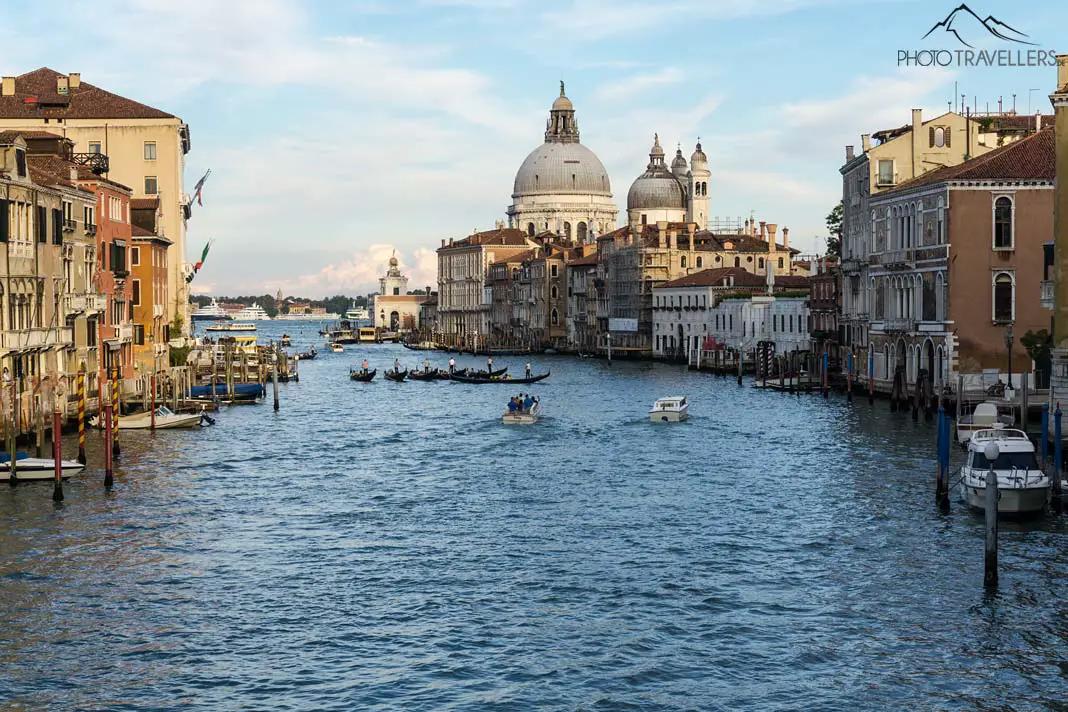 A holiday in Italy means simply letting your mind wander. Even in crowded Venice, you will always find places of tranquillity (if you look for them).
Furthermore, you should definitely see the trullis in Apulia and the excavation sites of Pompeii near Naples.
The climb to Mount Vesuvius - also near Naples - or to the still active Mount Etna in Sicily (to our hike on Mount Etna) are one of the highlights not only on a summer holiday.
Of course, you shouldn't miss out on cities like Rome with the Colosseum and St. Peter's Basilica and Milan with the famous Milan Cathedral. A visit to these cities is recommended outside the hot summer months.
If you want to experience the charm of a very special city, go to Naples and cross over to the famous Capri Island. A visit to the warm thermal baths on the island of Ischia provides pure wellness.
Classic car fans should make a note of the Concorso d'Eleganza Villa d'Este(website) on Lake Como. The meeting traditionally takes place on the third weekend in May at the Grand Hotel Villa d'Este in Cernobbio. The meeting is also known as the Car Oscar. Vintage cars worth millions are presented here, which you probably only see once in a lifetime.
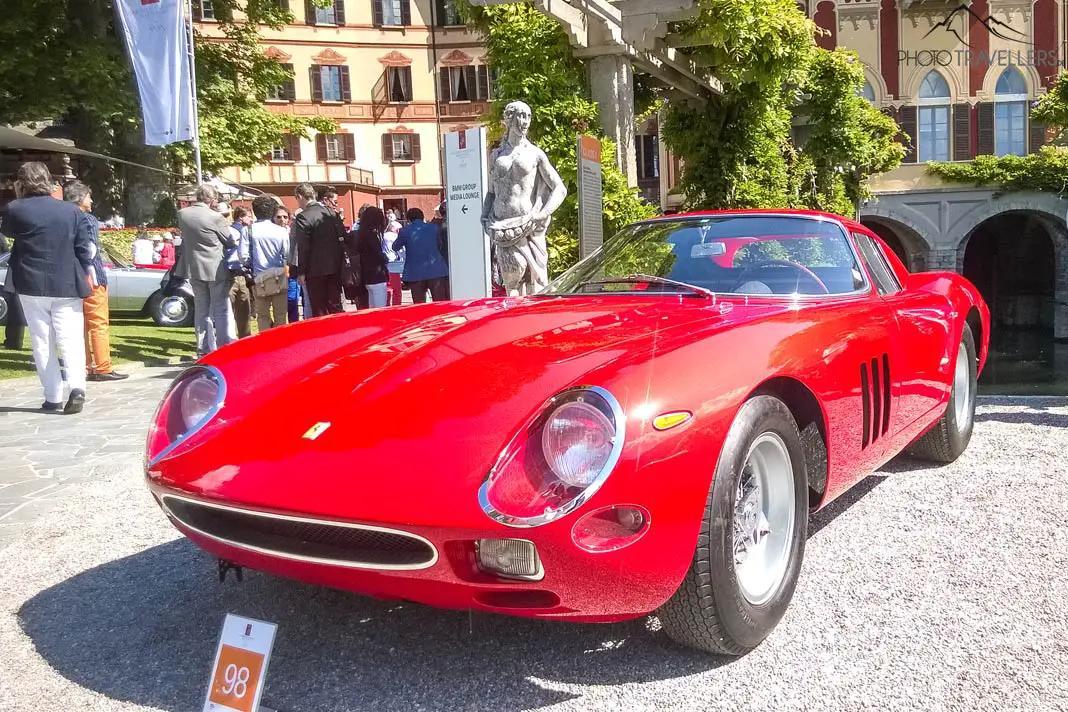 The Concorso d'Eleganza Villa d'Este on Lake Como is probably the most exclusive classic car meeting in the world.
Holidays in Italy: The best way to get there
Italy is relatively quick and easy to reach from here, and travelling within the country itself is no problem either. Regardless of whether it's a summer holiday, winter holiday or the rest of the year, whether it's a short break or a longer holiday, whether it's to one of the larger cities, a beach holiday or to the mountains, the chosen holiday destination is always easy to reach.
To get from A to B and further, there are rental cars, trains, buses, planes and even ships or ferries available in addition to your own car. During the general holiday season in July/August, traffic jams and bottlenecks can occur. This calls for good advance planning.
Taking your own car to Italy
To get from Germany to the land of the "dolce-far-niente", most holidaymakers travel by motorway via Austria, and thus via the Brenner Pass. This is subject to tolls. Alternatively, there is the SS12 or some mountain roads, but you have to allow more time.
However, the magnificent panorama of the breathtaking Dolomites compensates for much. Attention: In winter, some passes and roads are closed! On long weekends or during holidays (especially in Bavaria), very long traffic jams can occur at the Brenner Pass.
If you are travelling from the west, take the route via Switzerland, i.e. through the 17 km long St. Gotthard tunnel. This is particularly advisable if your holiday destination is Lake Garda.
The Italian road network itself is first-rate, with almost 200,000 km of ramified roads. Most of the roads are easy to drive on, but it can get a little narrow in the mountains - in the Dolomites - or in the alleyways of the old towns of various villages. Advantage: On the main and secondary roads you get close to the country and its people and gain a first impression of the fantastic landscape. If you want to get ahead quickly, use the motorways. They are spread over more than 6,600 km. Most of them are privately owned and you have to pay tolls to use them.
By plane to Italy
The second most used means of transport to get to your holiday destination is by plane. Countless airlines are available for all kinds of regions. For comparatively little money, you can fly to Italy from almost any airport in Germany in just a few hours. There are also plenty of opportunities for domestic flights in the country itself.
Alitalia is the largest Italian airline. Air Dolomiti, a subsidiary of Deutsche Lufthansa, primarily offers flights between Frankfurt or Munich and northern Italy. Rome-Fiumicino is the largest Italian airport. Milan, Bologna, Venice, Catania and Palermo on Sicily or Naples are - depending on the holiday destination - the most frequently served airports besides Rome.
By bus or train to Italy
Other ways to reach Italian holiday destinations are the increasingly common long-distance buses or trips offered by bus companies. It is not uncommon for holidaymakers to travel by train, which usually involves changing trains one or more times. Italy itself has a high-speed railway line around 1,000 km long, running from Turin to Salerno in the south.
In larger cities, such as Milan, Naples, Genoa or Catania, travelling by metro is recommended. By the way, train and bus travel in Italy is cheaper than here.
Travelling to Italy by ship
If you are travelling by ship, you will usually have arrived in the country by another means of transport. If you want to go to one of the islands or on to Greece or Albania, you can take a boat or ferry.
Most crossings are between Messina and Reggio Calabria, i.e. between the mainland and Sicily. From Piombino you can go to Elba or Corsica. Italy's largest seaport is in Genoa. From here, ships sail to various other ports in the country, but also to Tunisia, Morocco, France or Spain. From Ancona, Trieste and Bari, passengers are mostly transported to Albania.
The climate: sun, beach and more...
When you think of Italy, you think of sun and warmth. That's right! But the country can also be different! The climate is just as different as the landscape - depending on the region:
In the Dolomites, the Alps as well as in the Apennines, it is rather mild in summer, but very cold in winter due to the altitude. There is snow and frost. In other words, the ideal areas for winter sports and hiking.
Holidays at the three famous lakes of Northern Italy are particularly popular: Lake Como, Lake Garda (to the top sights at Lake Garda) and Lake Maggiore. The climate here is Mediterranean, coming from the Mediterranean Sea. This means little rainfall, warm but by no means hot weather in summer, warm autumn days - but with rain - and often frost-free winters.
If you want to stay in a holiday home in Tuscany or in the Po Valley, you have to reckon with everything - depending on the season. In summer there is high humidity and it is really hot for many weeks. It is not unusual for there to be really thick and long-lasting fog from October to the end of January. In winter it is cool; light frost and snowfall are also possible.
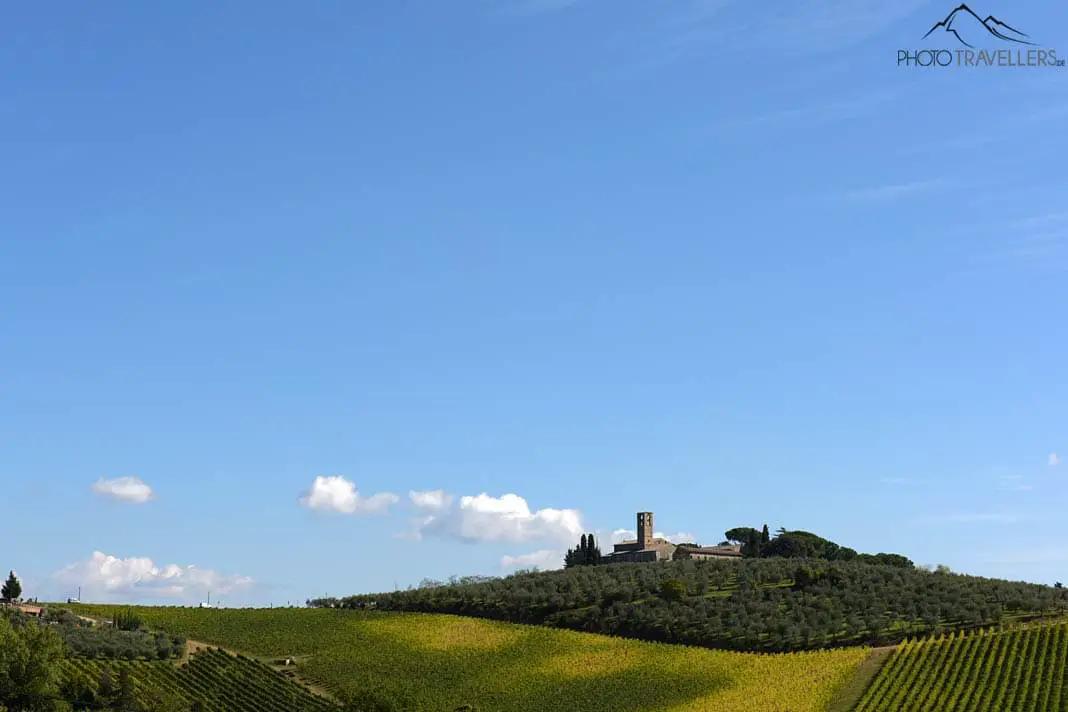 Gentle hills are the hallmark of Tuscany
The situation is different in central Italy. Here you will find dry and mild winters and hot summer months. There is hardly ever frost.
The tip of the boot and the islands enjoy a pleasant Mediterranean climate almost all year round. This means: in summer it is very hot, sometimes over 40°C, the almond blossom, i.e. spring, begins in January, autumn, on the other hand, does not set in until very late in November, and winter is pleasantly mild with temperatures of 10 to 15 degrees. While it rains heavily in winter, which leads to flooding, the remaining months are almost without water.
All in all, there is no really best time to travel. Italy is always worth a trip!
Italians know how to celebrate!
Italians have numerous traditions and festivals of various origins, which they usually celebrate with the whole family and friends. Foreigners are also warmly invited.
The most famous festival is the Carnival in Venice. Here masks, numerous games and fireworks play a leading role. Carnival is also celebrated extensively elsewhere. A very special tradition is the horse race - the Palio - in Siena, where the individual districts compete against each other.
In Florence, a very special spectacle takes place every year on St. John's Day, 24 June, with the Calcio storico - a mixture of football and rugby.
The Regata storica, which takes place in Venice every year on the first Sunday in September, also has a historical background. On the famous Grand Canal there are boat races between the most splendid gondolas with no less splendidly dressed gondoliers in historical costumes.
Italy is a country with a very Christian past, and even today the Catholic faith is lived intensively in many places. So it is precisely the mountain villages in the south that celebrate great festivals with long and spectacular processions on the feast days of their patron saints.
At Easter, too, processions take place in many places, during which a larger-than-life figure of the Madonna is carried through the streets by men dressed in cowls, accompanied by choral singing.
Of course, all Christian holidays, such as the Assumption of the Virgin Mary, are also very special occasions when the whole family is on its feet. Food is the main focus here at picnics or restaurants or at long tables.
Christmas is one of the most important festivals in the country. Presents are only given on 25 December. On the night of 5 to 6 January, the witch Befana comes down the chimney bringing sweets and presents or "carbone dolce" - sweet coal.
Italy: then and now
Bella Italia can look back on a long history as well as a great tradition. Already 1.3 to 1.7 million years ago this land area existed, in ancient times today's Italy flourished as the Roman Empire.
Tuscany in Upper Italy produced numerous famous artists during the Renaissance. Well known far beyond the borders - even those of Europe - are the good Italian wine, typical dishes such as pizza and pasta, famous car brands such as FIAT, Lamborghini and Ferrari, and of course Italian fashion.
Related articles
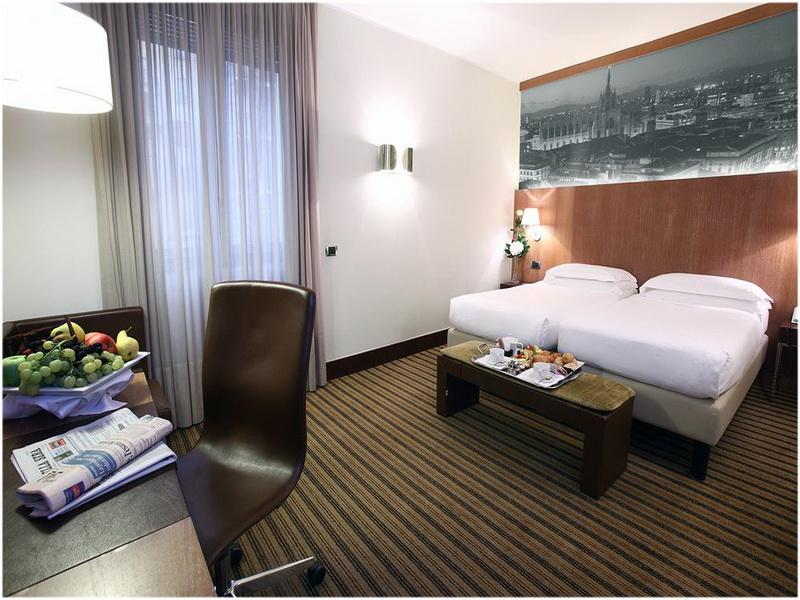
Starhotels Ritz, Milan, Italy
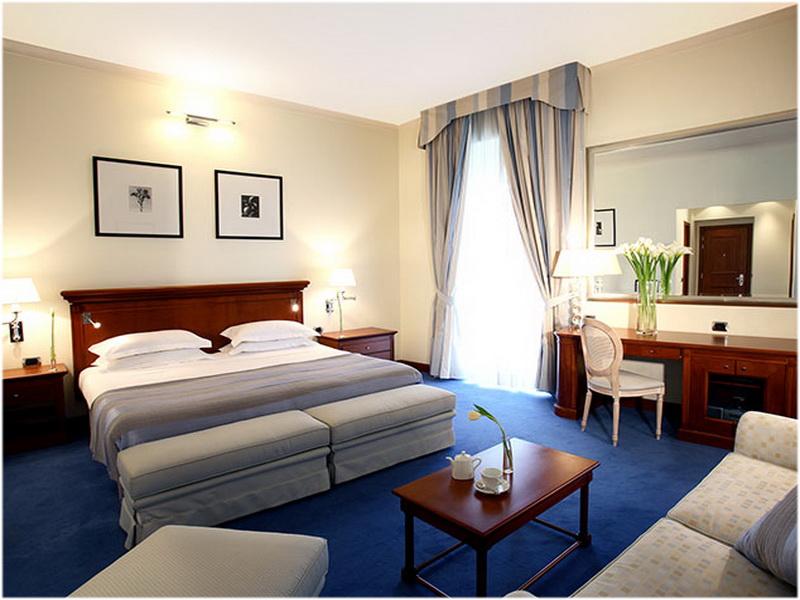
Starhotels Terminus, Naples, Italy

Italy's most beautiful hotels | Best 5-star hotels ranking
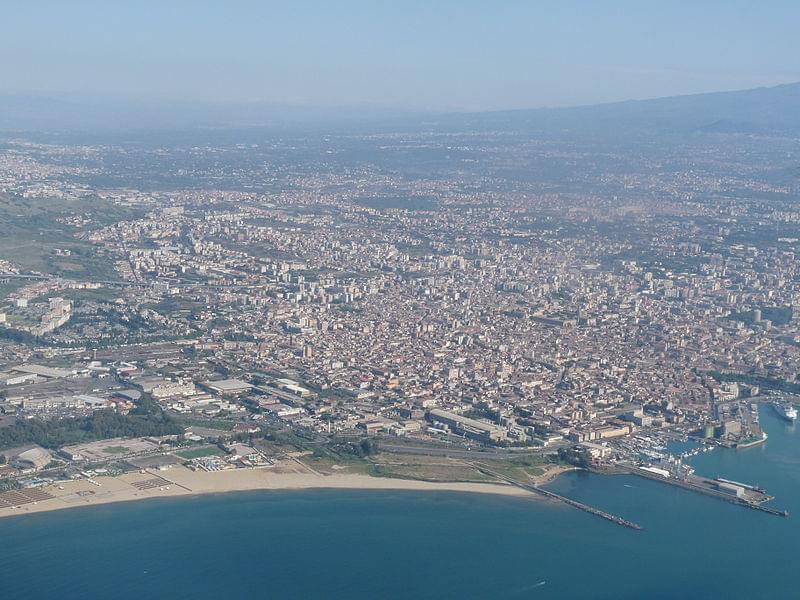
Top 10 Most Populous Cities in Italy
The 10 best luxury hotels in Cinque Terre Italy

The 10 Most Beautiful Panoramic Restaurants in Italy
Family holidays in Italy: these 10 tips you need to know