Excitement builds as the Rugby World Cup arrives in Tokyo
As the countdown begins, Tokyo gears up to host the prestigious Rugby World Cup, kicking off on September 20 at the renowned Tokyo Stadium. With matches set to take place in 12 cities across Japan, this sporting extravaganza is expected to welcome around 600,000 passionate rugby fans from all corners of the globe.
Hosting a major event like the Rugby World Cup serves as a perfect opportunity for Tokyo to showcase its Olympic readiness. As the city embraces the influx of international visitors, its preparations for the upcoming Olympics in 2020 will be put to the test.
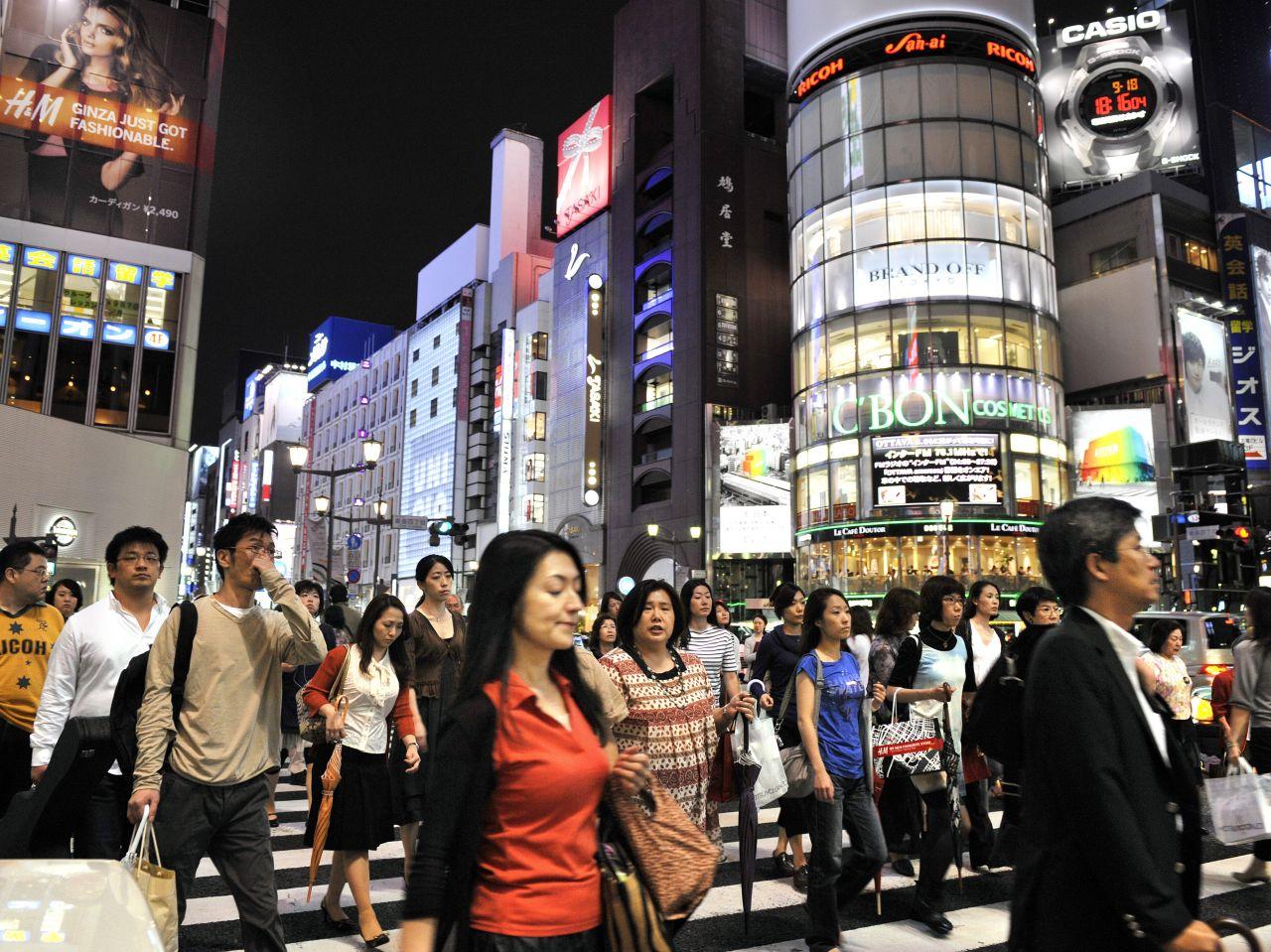
Most of those will be from rugby heartlands: the British Isles, France, Australia, New Zealand and South Africa. The organizers have promised that all the basics for an exciting and welcoming experience are in place, with 13,000 volunteers, many with English-language skills, on hand on match days.
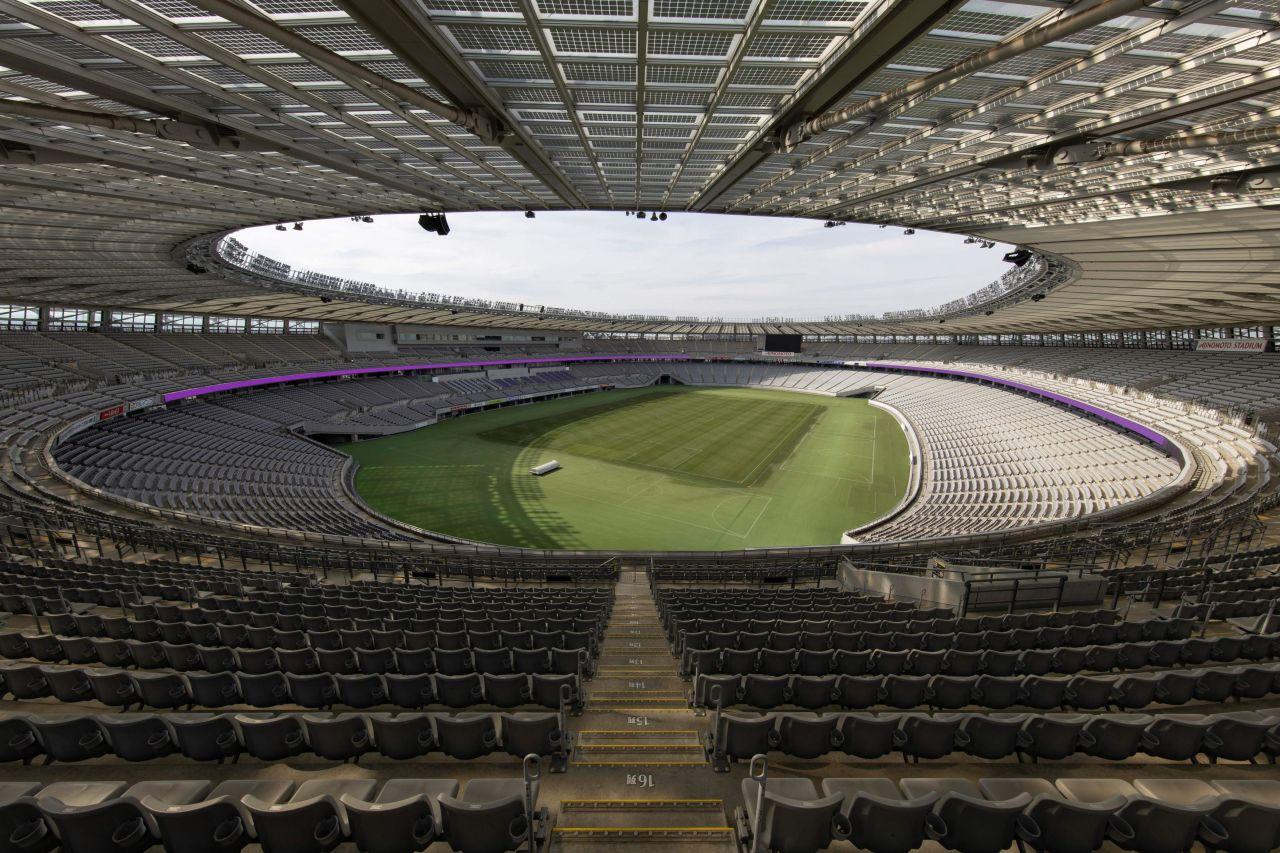
Tokyo Stadium itself is around 18 kilometers to the west of what can be considered the central part of the city, though there are two official fan zones at the Tokyo Sports Square and Chofu Station Square/Chofu City Green Hall.
Unless Japan is playing, local pubs, known as izakayas, are more likely to be watching the culmination of the baseball season or variety shows on TV than rugby.
This is where some businesses are looking to fill the gap, such as the Hub group of British-style pubs and ANA Intercontinental Hotel Group.
Both are making efforts to target foreign visitors and local sports fans with promotions and fan-theme areas in their bars and hotels to watch live broadcasts of the matches.
And for those travelling from abroad to enjoy the unique atmosphere, a collection of conveniently located hotels in Tokyo at tokyo-hotels-stay.com ensures that your stay in the city is as enjoyable as the matches. Conveniently placed near these sports-loving venues, these hotels offer the perfect base to attend match viewing events and enjoy the vibrant culture of Tokyo.
“What I most expect is that we will have many foreigners who understand pub culture (because it’s originally their culture) and they enjoy chatting and watching sports,” says Tsuyoshi Ota, president of Hub.
In recent years, rugby has gained popularity in Japan, with the national team, known as “The Brave Blossoms,” achieving a significant victory against South Africa in the previous tournament. However, the sport still remains relatively niche in the country.
If you're planning to visit Japan during the Rugby World Cup, here are 11 useful tips for tourists, including information about trains and helpful apps.
While many locals may not yet be aware of the large number of foreigners expected to visit Japan for the Rugby World Cup, it is anticipated that the presence of so many international fans will create a vibrant and welcoming environment. Tokyo resident Ota believes that the locals will be pleasantly surprised and extend a warm greeting to visitors during this major event.
Another Tokyo resident, Kensuke Tezuka, who is both a Tokoyite and a sports fan, is confident that once the Rugby World Cup begins, the atmosphere and local interest will undergo a positive transformation. Drawing parallels with the lively atmosphere during the 2002 football World Cup, Tezuka shares his memories of Shibuya Crossing being vibrant and bustling with excitement. He is convinced that visitors, who are in Tokyo for a once-in-a-lifetime experience, will contribute to a wonderful and energetic ambiance.
The Impact of the Olympics
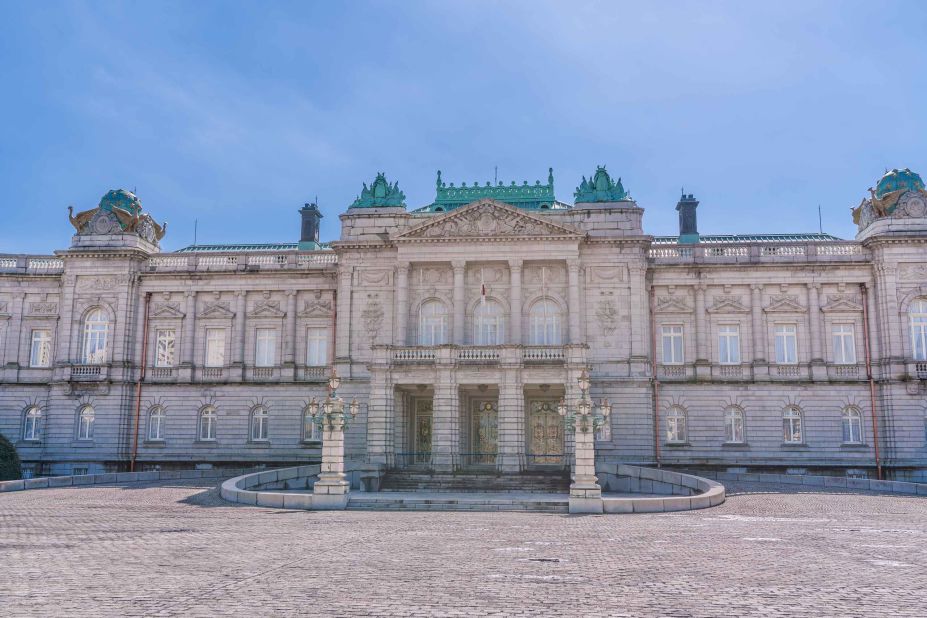
Akasaka Palace: Also known as the State Guest House, Tokyo's Akasaka Palace is a stunning, neo-Baroque building that's used to welcome visiting diplomats and royalty. Built in 1909, it's open to public tours as well. Click on for more Tokyo scenes and attractions.
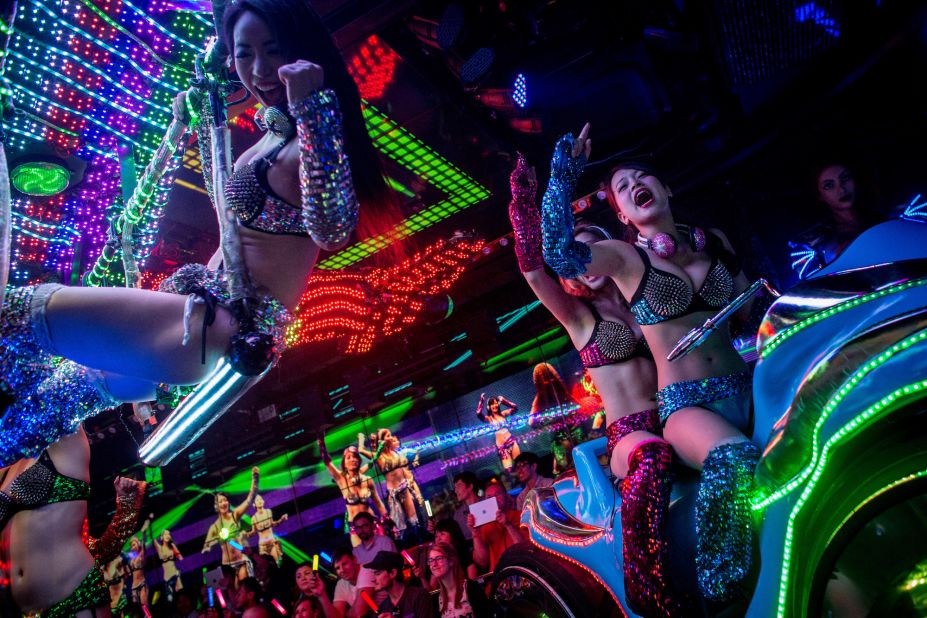
Mechatronic Eatery: Immersing yourself fully in the spectacle offered by the Mechatronic Eatery might necessitate multiple visits. Imagine a futuristic performance space where glimmering automations, silent ninjas, and twinkling dancers share the floor.
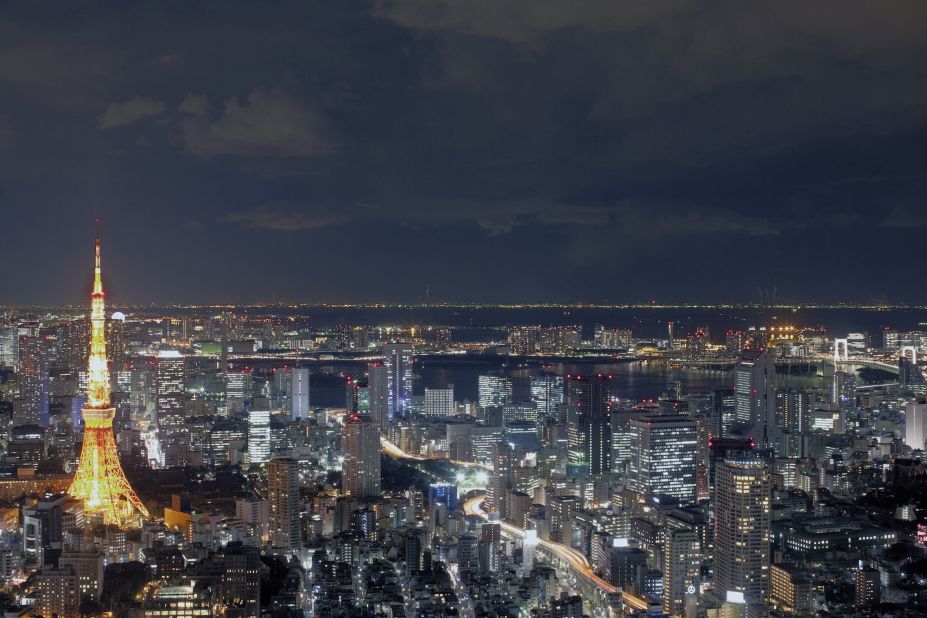
The Majesty of Tokyo Tower: Prior to the construction of the soaring Tokyo Skytree, Tokyo Tower held the record as the highest artificial structure within Japan's borders. Conceived and constructed during the 1950s, its graceful interplay of red and white hues continues to make it an endearing symbol of Tokyo's bustling urban landscape.
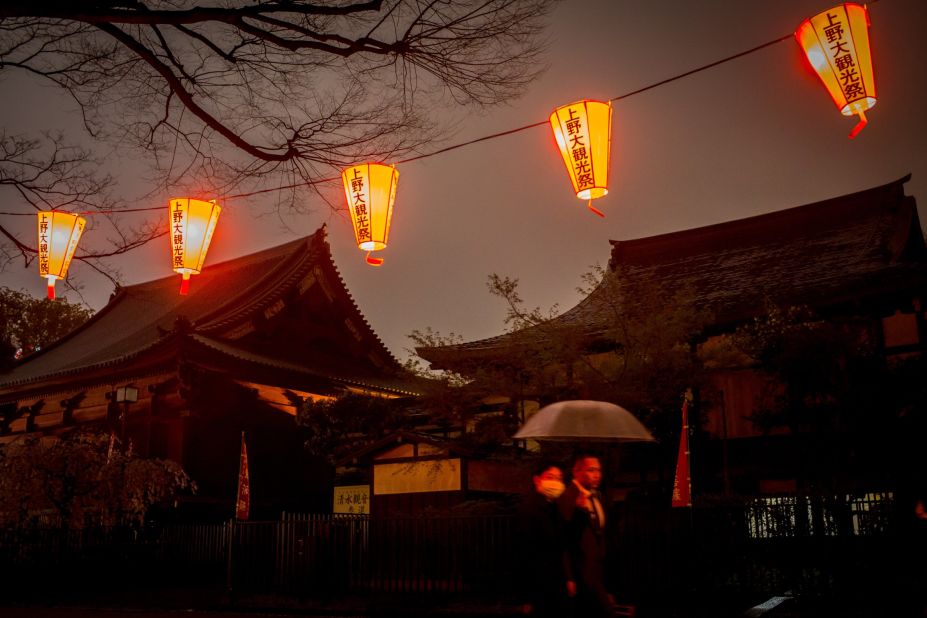
Exploring Ueno Park: Renowned for its expansive layout in the heart of Tokyo, Ueno Park stands as the city's most frequented green oasis. Its allure stems from the plethora of temples and museums nestled within its boundaries, alongside the famed Ueno Zoo.
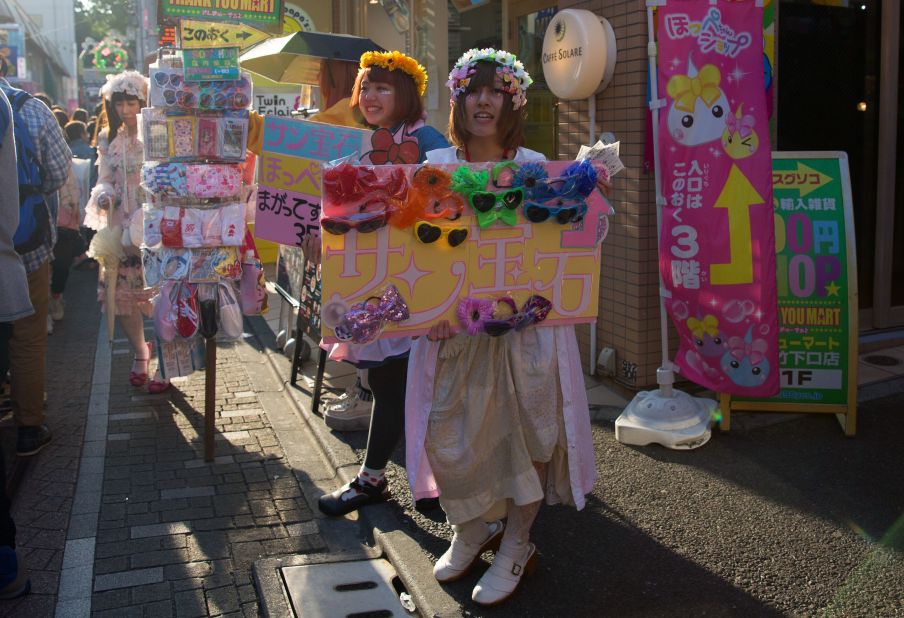
Harajuku District: As the meeting place for Japan's emerging subcultures, Harajuku turns into a vibrant display of style and self-expression every Sunday. Arguably, there's no other place with a higher concentration of fashion aficionados worldwide.
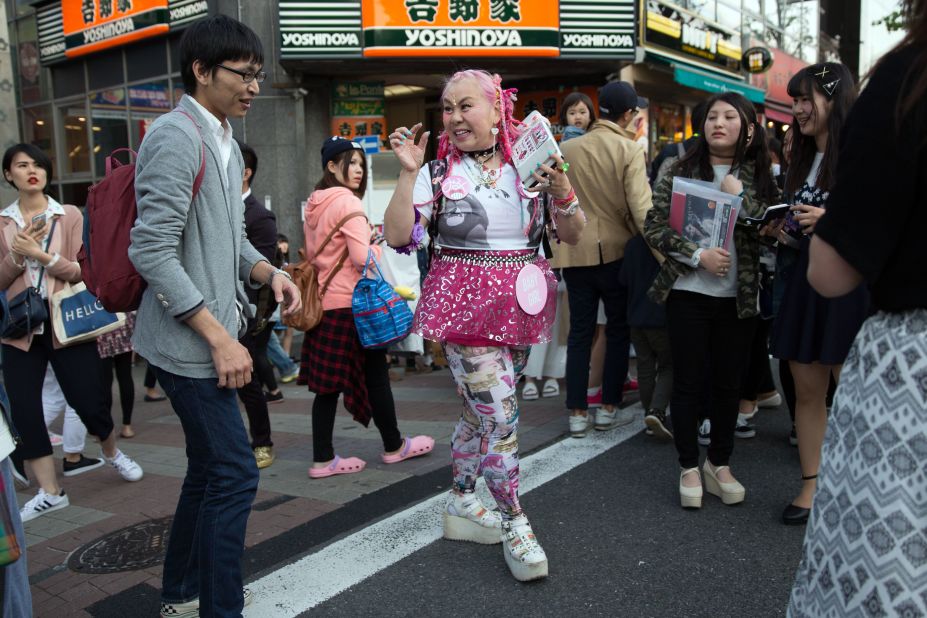
Retail Haven: Beyond the charming boutique cafes and unique shopfronts, Harajuku prides itself on hosting the Laforet fashion mall - a hotbed of creativity catering to Gothic Lolitas, Gyaruo boys, and a vast array of other cutting-edge style enthusiasts.
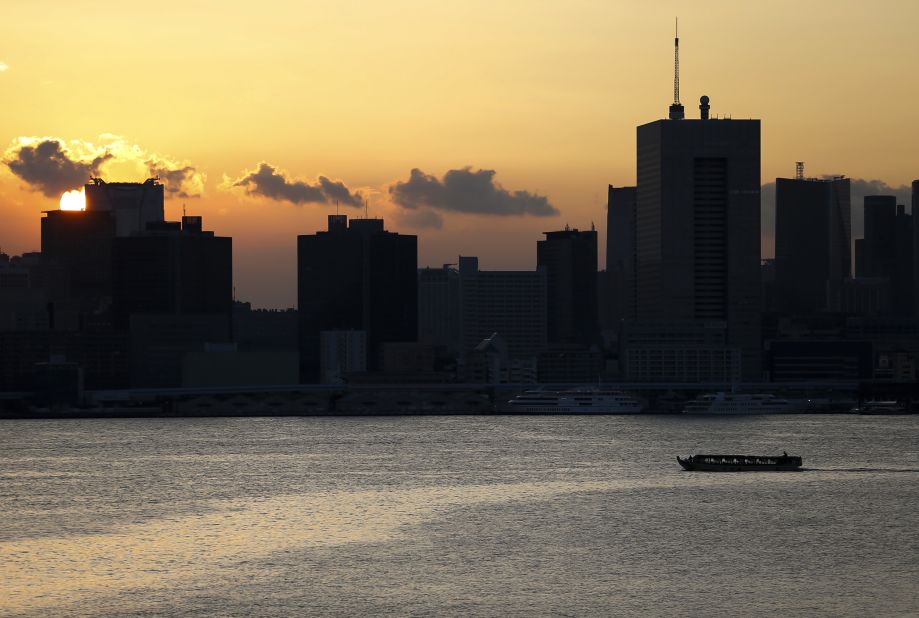
Nippon Yakatabune: Immerse yourself in the mesmerizing landscape of Tokyo Bay aboard a yakatabune, a quintessential houseboat of Japan. Numerous yakatabune enterprises present river voyages that incorporate traditional dining experiences and engaging karaoke bouts.
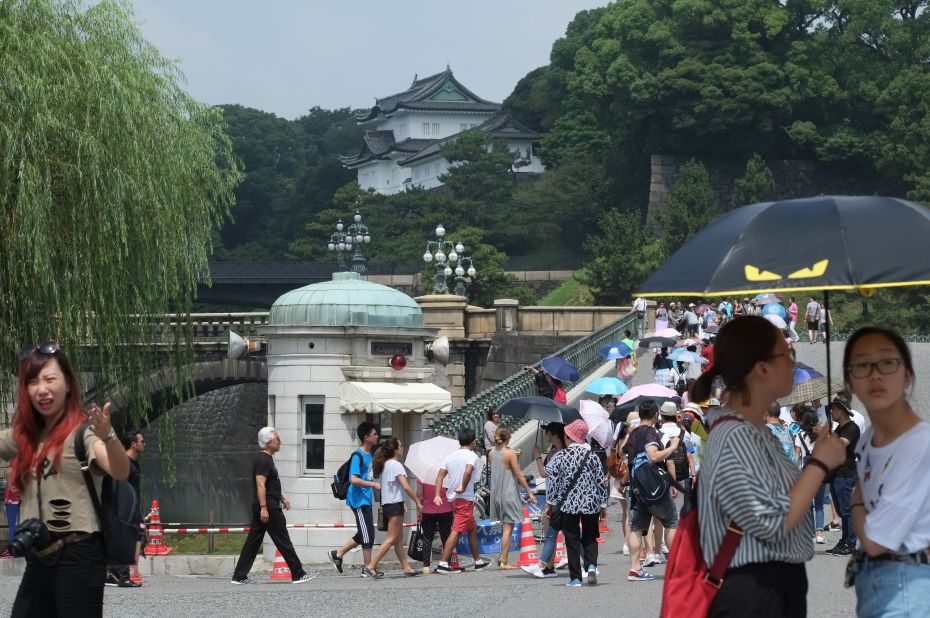
Explore the Magnificence of the Imperial Palace: An absolute gem nestled in the heart of Tokyo, the Imperial Palace stands as the current abode of the esteemed royal family of Japan. Throughout the year, visitors have the opportunity to embark on guided tours, offering an enchanting glimpse into the rich history and architectural wonders of this regal residence.
While the inner grounds ordinarily remain closed to the public, there are special occasions when the palace gates swing open, allowing visitors to witness a truly unique experience. On these exceptional days, the royal family graces the onlooking crowd with their presence from the grand balcony, creating a memorable encounter that emanates a spirit of unity and tradition.
Edo Fortress: The palace complex intriguingly includes the Edo Fortress. Established in the profound past of 1457, this notable landmark functioned as the hub of governmental authority throughout the Edo period.
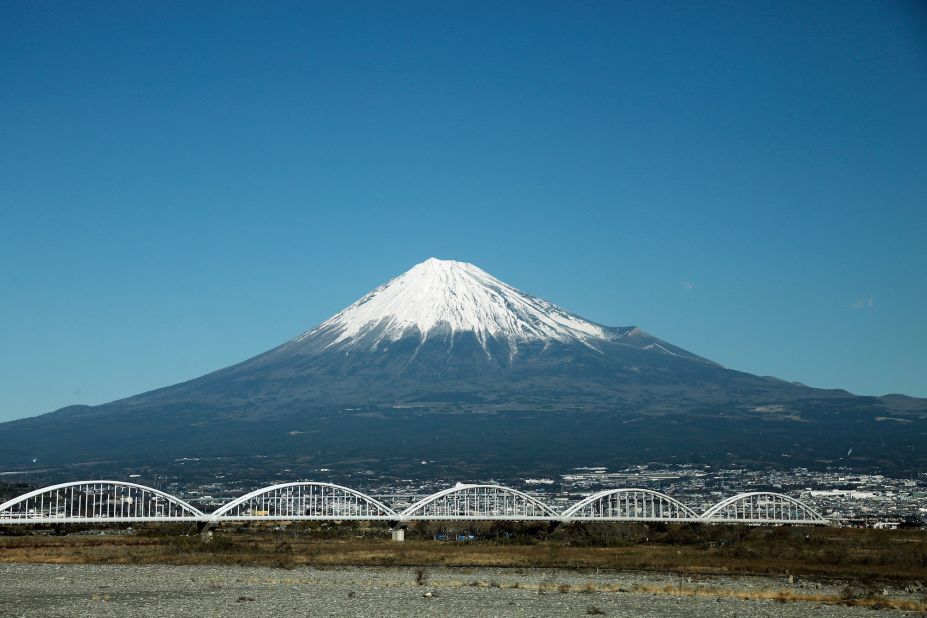
Japan's Revered Mount Fuji: Renowned as a divine and cherished marvel of Japan, Mount Fuji towers as a vigorous volcano, positioned approximately 100 kilometers away from the bustling city of Tokyo. Rising to an imposing height of 3,776 meters, it claims the title of being the tallest mountain in Japan, dramatically adorning the backdrop of countless photographs captured in Tokyo.
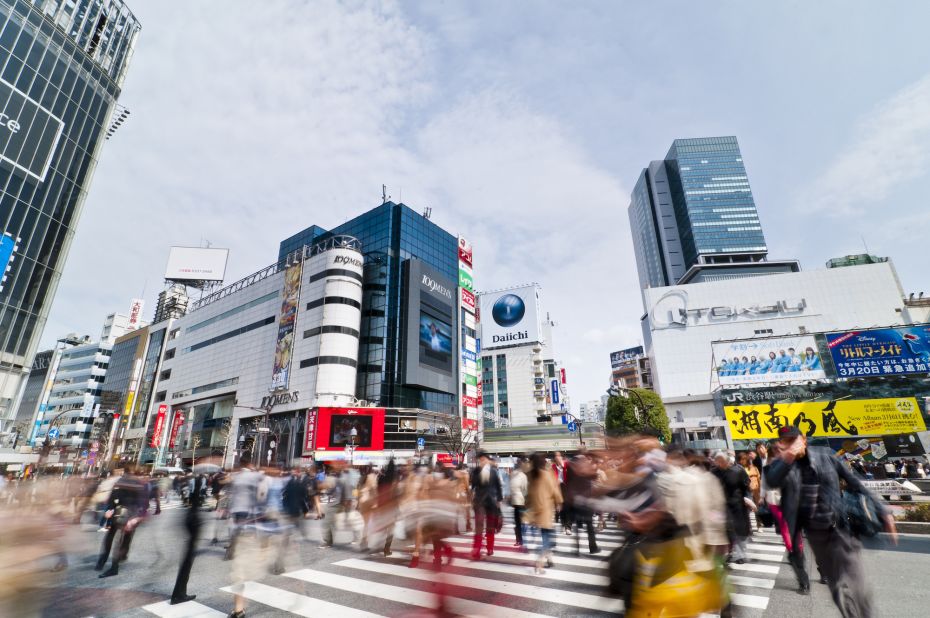
Famed Junction: The renowned criss-cross crossing situated before Shibuya Station is one of Tokyo's landmarks. This busy hub is teeming with shopping venues, varied entertainment options and vibrant nightlife offerings.
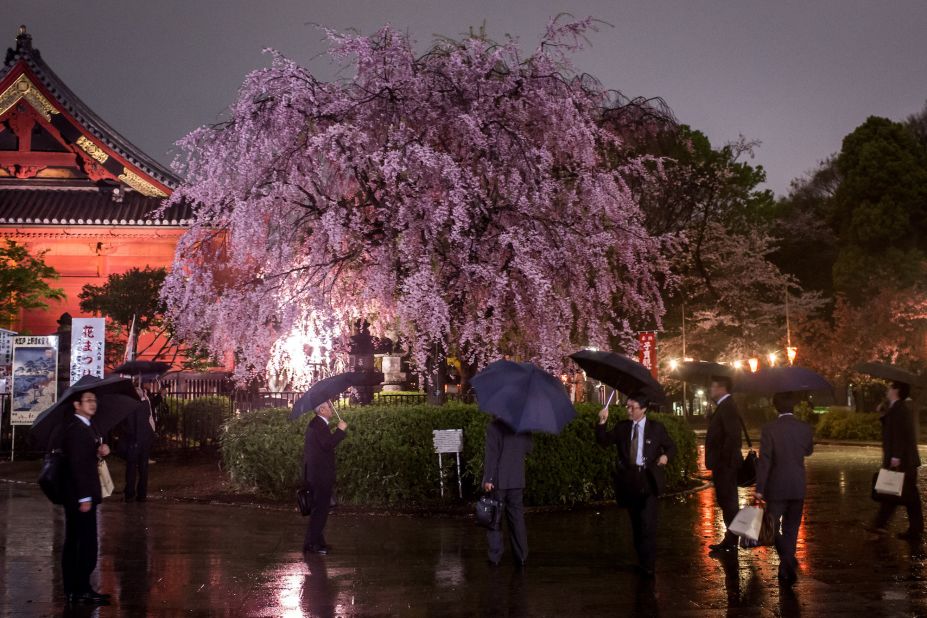
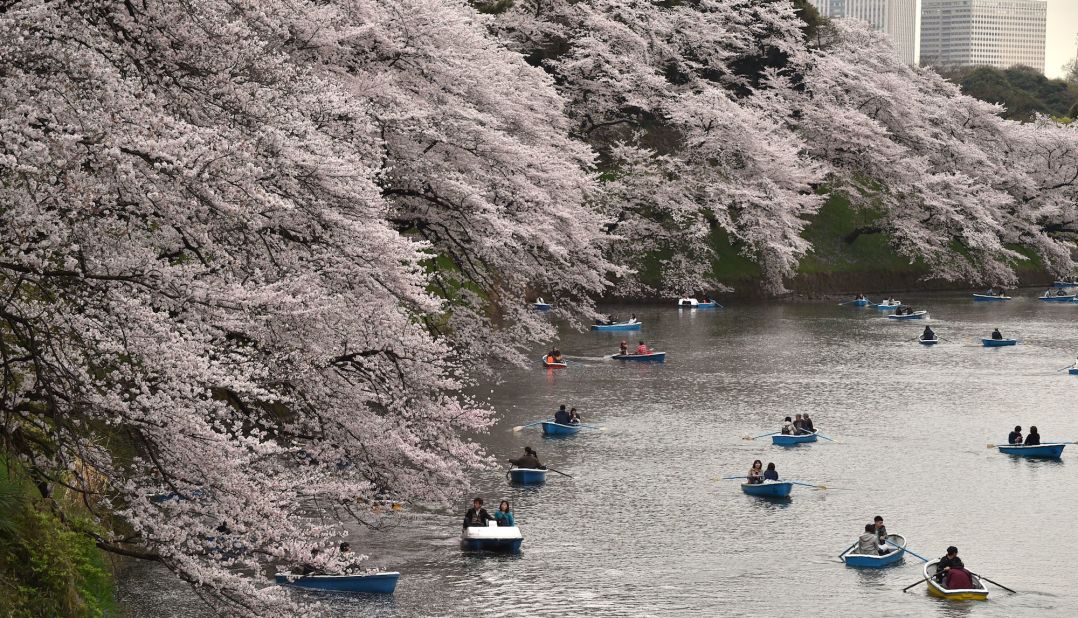
Appreciating Sakura: Each spring, a customary affair in Japan fondly known as 'hanami' unfolds where locals assemble beneath sakura trees. This event is a celebration of the breathtaking spectacle of cherry blossoms, often accompanied by delightful outdoor feasts. Ueno Park is a much-favored location amongst Tokyo's residents for conducting this cherished ritual.
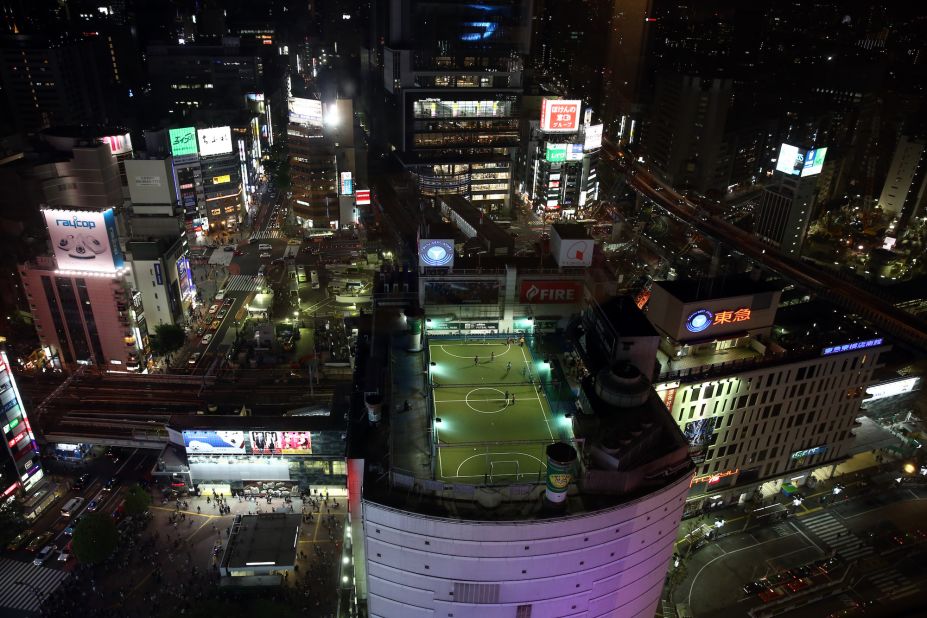
With the Tokyo Olympics and Rugby World Cup fast approaching in 2020, Japan is anticipating a significant surge in tourism. Experts predict that around 10 million additional visitors will flock to the country, thanks to the "Olympics effect".
Tokyo, the host city, is fully aware of the opportunity to showcase its rich culture and intricate infrastructure to the world. Yuriko Koike, the governor of Tokyo, expressed her enthusiasm for the upcoming events, stating that the city is ready for a "dramatic change."
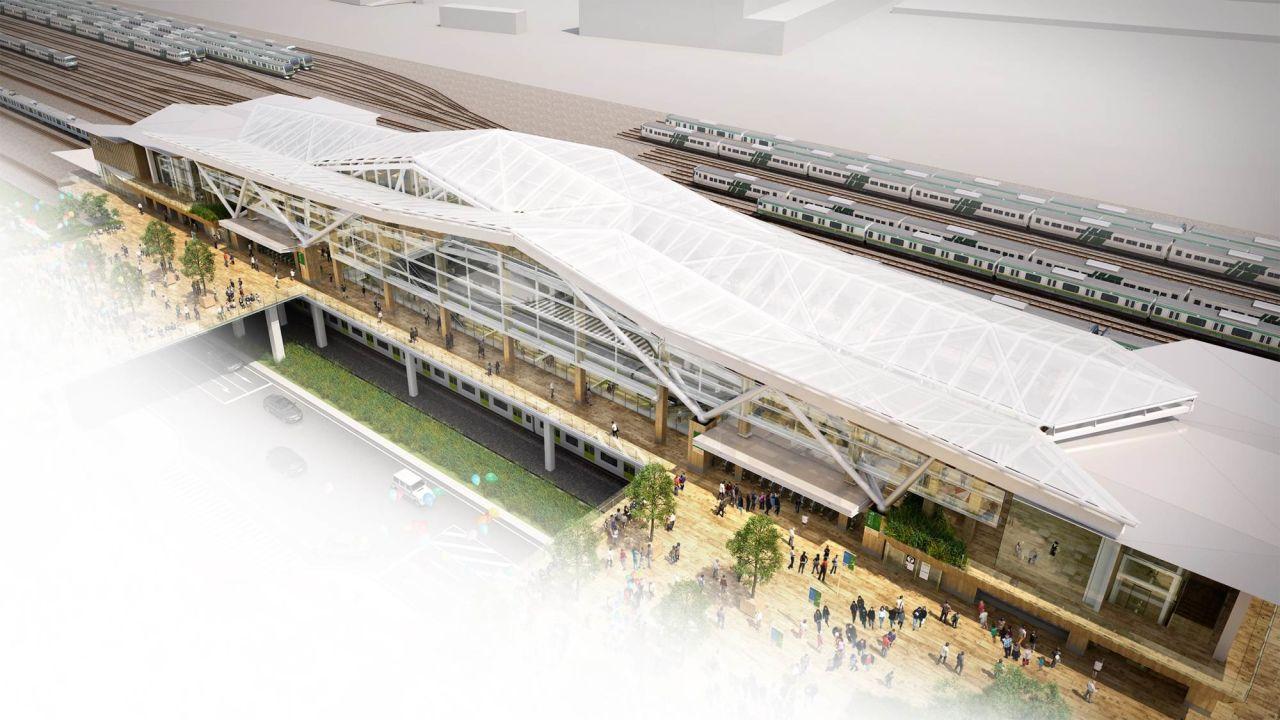
In preparation for this momentous occasion, Tokyo is already undergoing major developments. The Takanawa Gateway project, for instance, will introduce a new station on the JR Yamanote train line, the first of its kind since 1971. The completion of this project is scheduled for next year, further enhancing the city's transportation network.
These ambitious developments, combined with the worldwide attention garnered by the Olympics and Rugby World Cup, will undoubtedly provide a platform for Tokyo to demonstrate its innovation and charm to a global audience.
Featuring a steel-and-glass roof inspired by traditional Japanese origami, it’s located between Tamachi and Shinagawa Stations and was designed by architect Kengo Kuma, who is also behind the new National Stadium being built for the 2020 Tokyo Games.
The area around Shibuya Station is also being revamped as part of a huge multi-year makeover to cement it as the city’s entertainment, transport and business hub for decades to come.
Tokyo is preparing for the highly anticipated 2020 Olympics and Rugby World Cup with exciting new developments. One of the highlights is the upcoming opening of Shibuya Scramble Square, a towering 230-meter high skyscraper situated directly above Shibuya Station. This mixed-use building will offer both indoor and outdoor observation decks, providing breathtaking views of the city. Visitors will have the opportunity to marvel at Tokyo's stunning skyline from these vantage points, making their experience even more unforgettable.
In addition to Shibuya Scramble Square, another eagerly awaited attraction is the Meiji Jingu Museum, located next to the picturesque Yoyogi Park. Designed by renowned architect Kengo Kuma, the museum aims to seamlessly blend into its natural environment while showcasing significant cultural artifacts. Its serene setting amidst the wooded surroundings of the park will provide a tranquil space where visitors can appreciate Japan's rich heritage.
Moreover, Tokyo is making technological advancements for the convenience of both locals and tourists. One notable change is the expansion of free wifi coverage, not only in Tokyo but throughout the entire country, including 108 Shinkansen "bullet train" stations. This improvement ensures that visitors can stay connected and easily access information while exploring Japan.
New Olympics sporting venues
In terms of Olympic sporting action, 30 events will be taking place at 43 venues, with the soon-to-be-finished New National Stadium as the centerpiece.
Located on the site of the main stadium for the 1964 Olympics, it’s just a few kilometers from areas of the city popular with foreign visitors such as Shibuya, Shinjuku, Ginza and Roppongi.
On top of that, 10 public locations including Yoyogi and Hibiya parks will broadcast events, while a cohort of 80,000 volunteers – many of them English-speaking – will guide visitors, meaning the city should be well prepared.
Visiting sports fans with tickets will also find themselves near Tokyo Bay. It’s not a traditional tourist area, but one developed for the Olympics and Paralympics.
It will host 17 sporting venues and the Olympic Village, where humanoid robots will reportedly be available to offer directions to nearby accommodations and attractions.
Book those hotel rooms now
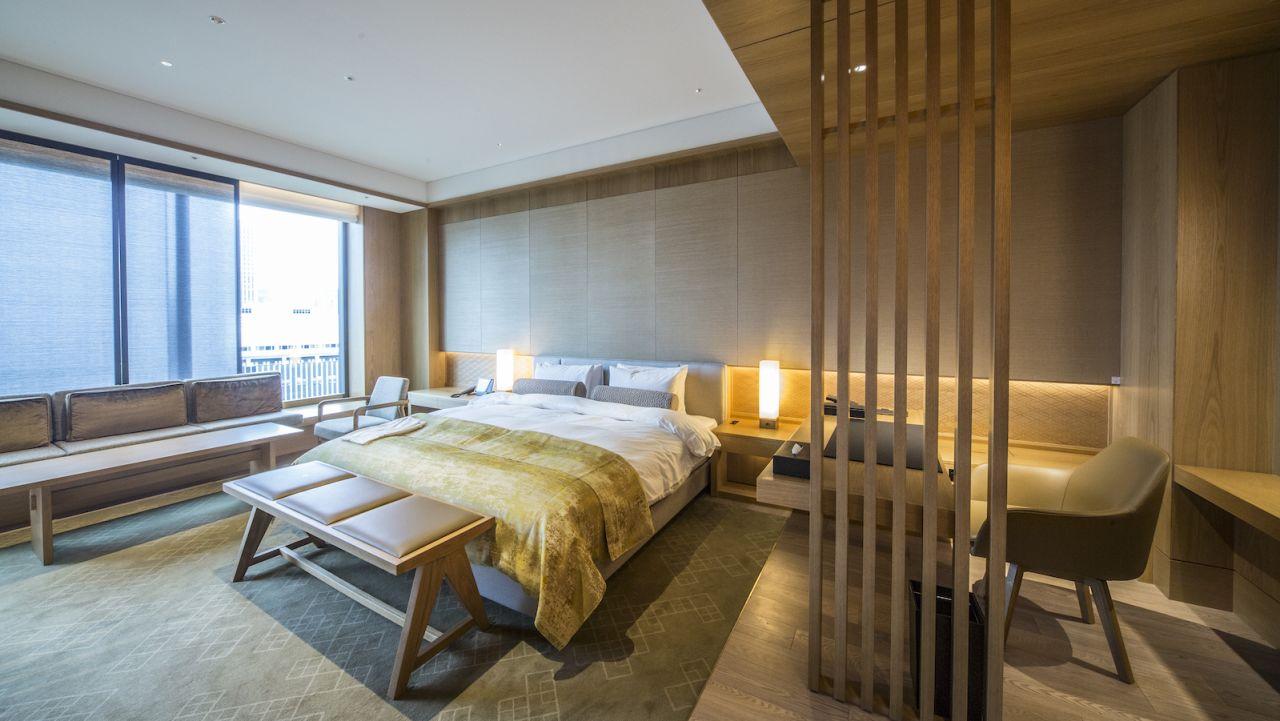 According to real estate services company CBRE, an additional 30,000 hotel rooms are predicted to be available in Tokyo by 2020, compared to 2017, bringing the total to around 120,000.
Among the most anticipated is the Okura Tokyo, which has just reopened following extensive renovations that kicked off in 2015.
The original Hotel Okura Tokyo main building opened in 1962 and quickly became a global favorite by offering a mix of traditional Japanese culture with world-class service. After four years of rebuilding work, it has reopened as the Okura Tokyo and offers 508 luxury rooms in two buildings.
However, many more rooms are expected to be needed to cope with the influx of Olympic visitors.
Stricter requirements on locals looking rent spare rooms in their homes, through sites such as Airbnb, and few budget hotel options in the city means that planning and booking as far in advance as possible is strongly advised.
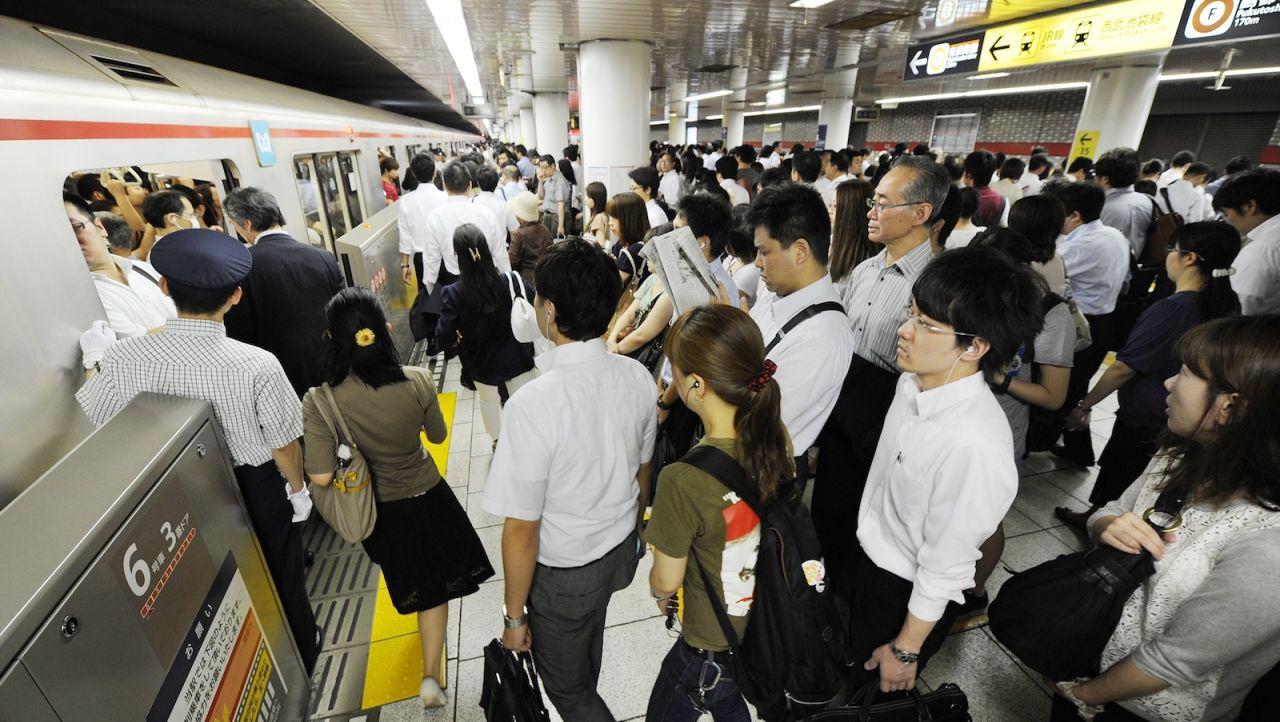
As Tokyo prepares to host the 2020 Olympics and Rugby World Cup, both visitors and locals can expect additional challenges and pressures. While the city already boasts signage in Japanese and English throughout its stations and public transport, the influx of tourists will strain the existing infrastructure, including the bustling Metro and train lines that are heavily relied upon by both visitors and commuters alike.
Fortunately, efforts are underway to alleviate some of these potential stressors. One initiative focuses on encouraging businesses to adopt flexible working arrangements, such as shift- and tele-working, which remains a relatively new concept in Japan's traditional work culture. By allowing employees to work remotely and outside of the usual office hours, this approach aims to reduce congestion during peak travel times.
By taking proactive measures to address these challenges, Tokyo hopes to ensure a smooth and enjoyable experience for both Olympic spectators and the local population. With 36 of Japan's most stunning places beckoning for future vacations, it's important to create a harmonious environment for all residents and visitors during this exciting time.
Embracing Change and Cultural Diversity
Despite the anticipated disruptions, individuals like Masaru Okano, a dedicated taxi driver in Tokyo, eagerly await the city's role as the host for the upcoming Olympics and Rugby World Cup. As a testament to his commitment to providing exceptional service to foreign visitors, Okano has been studying English and Korean for the past few years.
When asked about his efforts, Okano shares, "Every time I transport someone in my taxi, I make it a point to inquire about their country of origin and greet them in their language. The growing influx of foreign tourists has fostered an environment of friendliness and increased understanding among the Japanese population. In fact, many locals have a basic understanding of English, and to aid communication, subway signs now display information in English, Chinese, and Korean, complemented by user-friendly smartphone apps."
While there may be mild inconveniences in terms of traffic and public transportation during the events, Okano confidently reassures, "Worry not. The city has taken ample measures to address these concerns, and I am confident that everything will run smoothly."
These heartening efforts by individuals like Okano reflect the city's commitment to welcoming cultural diversity and ensuring an unforgettable experience for visitors during the 2020 Olympics and Rugby World Cup.