Travel along with our 6 video journey
South Korea stands as a global leader, with record-breaking internet speeds that are set to become even faster – the country is gearing up to introduce 5G service in 2019, pushing the boundaries of its already established hyper-connection status.
In the bustling metropolitan heart of Seoul, you'll experience no difficulty in locating a free Wi-Fi connection no matter where your journey takes you.
Keith Kim, who leads the travel website Seoulistic.com, believes that trailblazing progress is an intrinsic trait in Koreans. "They welcome everything that fosters progression. They welcome the novelty," he shared. While discussing the trend, Kim also highlighted the rich tourism potential Seoul offers to international visitors. For instance, the city has many attractive hotel deals for travelers, making it an alluring destination for both leisure and business travelers alike. Whether you're looking for a luxury stay or budget accommodation, you can explore the Hotel deals in Seoul at seoulhotelspage.com.
However, the increasing connectivity and rapid pace of life have presented a complex issue for the government. How can authorities encourage a digitally entrenched populace to occasionally take a pause and disconnect?
According to recent data, the average daily usage for smartphone users in Seoul involves activities like gaming, social media engagement, and messaging, consuming up to four hours of their time.
In an effort to restore some equilibrium, the government has turned its attention towards cultivating cultural spaces across the city, aiming to provide serene havens for its citizens. (Watch the video above for more information on this initiative.)
Furthermore, Seoul has witnessed a remarkable increase in the establishment of green areas in its downtown hub, with 197 new spaces being added between the years 2012 and 2016.
These new additions perfectly complement the already extensive array of museums and attractions that enthrall visitors, enticing them to momentarily disconnect from the digital world.
Here are a few remarkable selections, all of which can be explored during an unforgettable Seoultastic tour.
Starfield Library

Seoul's Starfield Library, which first opened its doors in 2017, has quickly become one of the city's most captivating attractions. Situated within Starfield COEX, the world's largest underground shopping mall, this two-story library is both visually stunning and accessible to all visitors, completely free of charge.
Taking up a massive 2,800 square meters of space, the library is home to three colossal 13-meter bookshelves, stocked with an impressive collection of approximately 50,000 books and magazines. This architectural masterpiece serves as a stepping stone towards the future, providing a blueprint for innovative buildings to come.
Aside from the serene reading environment it offers, Starfield Library also hosts an array of engaging monthly cultural events and performances, featuring different themes on a daily basis. Visitors to the library can freely indulge in literary and artistic experiences, fostering a sense of community and intellectual exploration.
If you find yourself in Seoul, make sure to pay a visit to the unforgettable Starfield Library, located at Starfield COEX Mall on Yeongdong-daero in Gangnam-gu. Immerse yourself in the world of knowledge and culture that awaits within its walls.
Address: Starfield Library, Starfield COEX Mall, Yeongdong-daero, Gangnam-gu, Seoul, South Korea
The Pageantry of Conflict: Journeying Through the War Memorial of Korea
Enfolding five millennia of tumultuous events, the War Memorial of Korea stands as a profound testimony to the country's vibrant martial lore. It is a confluence of countless narratives and precious artifacts that punctuate the annals of Korean history.
This sublime repository of legacy, which now stands on the terrain that once teemed with the energy of the frontrunning military headquarters, hosts a duo of comprehensive exhibitions.
Housed within its welcoming confines are six elaborate sections detailing different epochs and aspects of Korea's warfare. The inaugural hall—the Memorial Hall—serves as an eternal monument to the bravery and sacrifice of those who laid down their lives defending the Korean peninsula.
Following this poignant tribute, one enters a realm rife with centuries of Korean martial achievements in the War Room. This fascinating area boasts an impressive collection of weaponry, ranging from primitive stone tools of the Paleolithic era to armors, helmets, swords, and myriad arms spanning across the timeline of Korea—bringing its rich, diverse military history to life.
Step into Seoul's War Memorial of Korea and prepare to be transported back in time to the tumultuous era of the Korean War. The exhibition dedicated solely to this conflict offers an immersive experience, delving into the events that shaped the early 1950s. From North Korea's surprise invasion of the South to the crucial role played by the United Nations, every facet of the war is meticulously detailed, providing visitors with a comprehensive understanding of this historic event.
For history enthusiasts and curious minds alike, the Outdoor Exhibition is a must-visit. You'll encounter a remarkable collection of restored tanks, vehicles, submarines, aircraft, and artillery that were utilized in World War II, the Korean War, and the Vietnam War. But what sets this exhibit apart is the rare opportunity to step inside these impressive machines, truly immersing yourself in the experience.
Best of all, admission to this captivating museum is completely free, allowing everyone to explore and appreciate the rich history on display.
This exceptional attraction, the War Memorial of Korea, can be found at 29 Itaewon-ro, Namyeong-dong, Yongsan-gu, Seoul, South Korea. For inquiries and further information, contact +82 2 709 3139.
Discover more about the fascinating sights and experiences that South Korea has to offer this winter!
Cheonggyecheon Stream
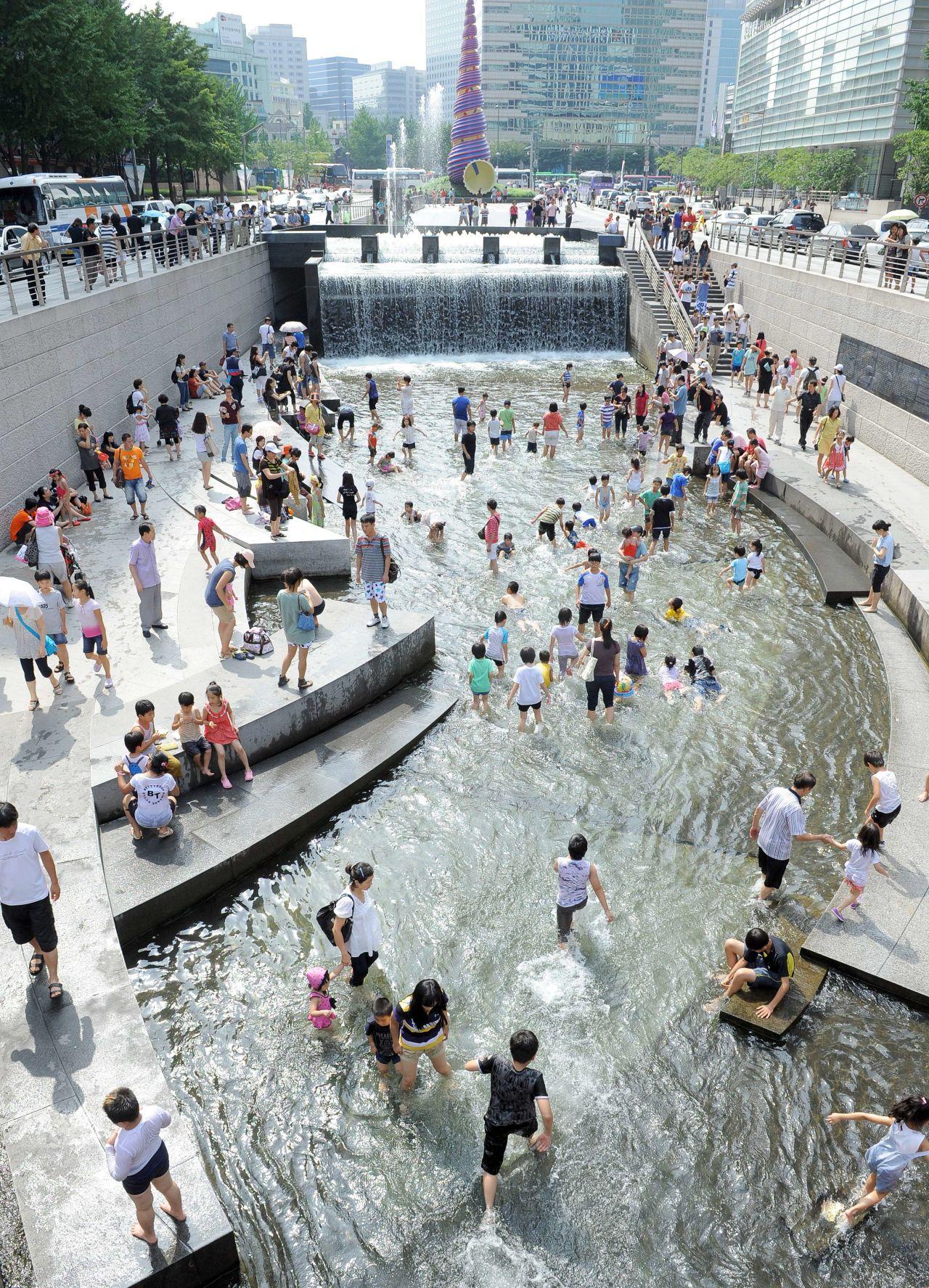
In the heart of Seoul lies the Cheonggyecheon Stream, a hidden gem serving as an urban sanctuary for both locals and tourists alike.
Originally known as "Gaecheon," meaning "open stream," this remarkable waterway unfortunately fell victim to urbanization and was buried beneath layers of concrete and a bustling highway during the late 20th century.
However, a remarkable revitalization campaign in 2005 paved the way for a revival of Cheonggyecheon. The stream's waters were unleashed, transforming it into a picturesque park that attracts visitors seeking respite from the surrounding cityscape.
Spanning an impressive 5.3 kilometers, Cheonggyecheon's main pedestrian path offers ample space for leisurely strolls, jogging, or simply indulging in nature's soothing presence.
The city oasis full of cascading waterfalls, picturesque stone bridges, lush vegetation, and beautifully arranged flowerbeds serves as the perfect getaway for the bustling city-goers including office workers, students, and tourists. When sundown happens, this serene escape is magically transformed into an intimate space beaming with vibrant rays of light, passing through rushing waterfalls and the bridges.
Apart from being an urban retreat, this locale becomes the host of several cultural festivities and performances, offering unique experiences for visitors.
If you're planning to embrace this connection at Seoul, take note of some suggestions from Seoulistic.com.
The travel website mentions, “The Cheonggyechon Steam Plaza bustles with the most significant crowd. To enjoy a more calm atmosphere, walk further down the path.”
Besides, the site advises visitors that "The ideal time to experience its magnificence is during the early evening as the dusk gently settles and the night lights begin to glimmer."
Moreover, the Seoul Tourism Organization also allows free guided walking tours around the Cheonggyecheon Stream. Registrations for this insightful tour can be done through their website.
National Museum of Korea
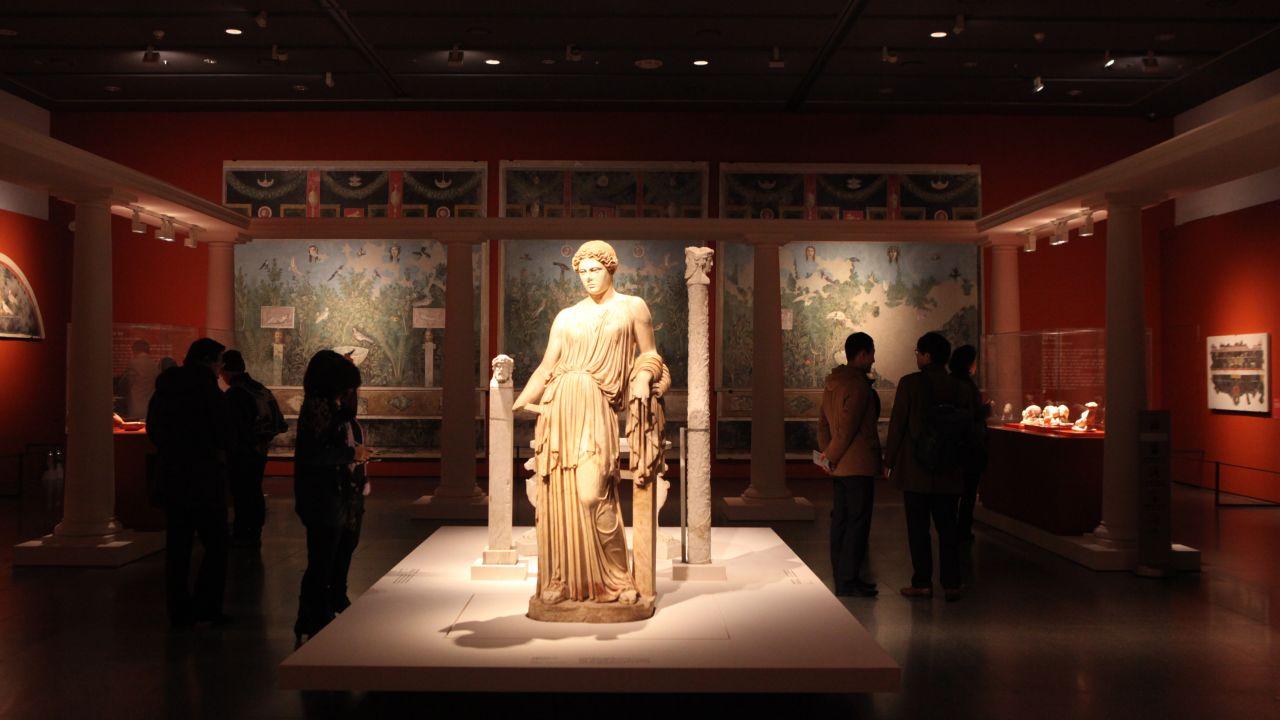
The National Museum of Korea, located in the beautiful setting of Yongsan Family Park, has a rich history that dates back to 1945 when it first opened its doors. With its wide range of over 220,000 art pieces and relics, the museum offers a fascinating insight into the country's past.
From the moment you step inside, you'll be immersed in the vast collection, with approximately 13,000 items on display at any given time. To fully appreciate this cultural treasure trove, it's recommended to explore the museum by compartmentalizing your visit and taking your time.
One particular highlight of the National Museum of Korea is its deeply rooted connection to the country's independence from Japan. By visiting this institution, visitors can gain a deeper understanding of Korea's history and the significance of the year 1945. Through its curated exhibitions, the museum beautifully showcases the diverse art and relics that have shaped Korean culture.
Embark on a captivating journey through history and art as you explore the National Museum of Korea, floor by floor. Initiating on the first level, you'll be privy to an incredible display of archeological finds and historical pieces that take you back to 1392, marking the inception of Korean civilization.
Moving up to the second floor, immerse yourself in aesthetically pleasing calligraphy, arresting paintings, and a plethora of artworks generously donated by private collectors. While there don't forget to appreciate the deep individual stories that each piece holds.
As you ascend to the third floor, receive a warm welcome from an array of beautiful Buddhist sculptures, ceramics, and art pieces that strikingly portray Asian culture.
National Museum of Korea, located at Yongsan-dong 6-ga 168-6 (Seobinggo-ro 137), Yongsan-gu, is an amazing place to disconnect and dive deep into Asia's vibrant history and art.
The immense contribution of Tey-Marie Astudillo, Rachel Sang-hee Han, Frances Cha, and Karla Cripps to this feature is deeply appreciated.
Fun fact: The National Museum of Korea is not only the largest museum in Korea but is also one of the largest museums in Asia!
Take note: Offering more than archaeological and historical artifacts, the Museum also contains a Children's Museum, an outdoor exhibition area, and a digitalized experience for the visitors.