Exploring London: Walking from Monument to St. Paul's Cathedral
The Path Unveiled: Mapping Your Way
Start Your Journey: The Monument
Begin your urban adventure at the towering structure known as The Monument. Erected to commemorate the Great Fire of London, this 202-foot-tall column offers those who climb its spiraling steps a panoramic vista of the city. Take a moment to absorb the historical significance of where the great blaze started in 1666 before embarking on your walk to St. Paul's Cathedral.
Planning your visit to The Monument? Make sure to book here for accommodations that will complement your journey through London's rich history.
As You Walk: Historical Insights and Modern Views
As you leave The Monument behind, the streets of London will whisper tales of yesteryear. Immerse yourself in the harmonious blend of the old and the new as you stride along Cannon Street. Here, modern office buildings stand shoulder to shoulder with ancient landmarks. Be on the lookout for the London Stone, an unassuming relic that has witnessed the growth, resilience, and transformation of this enduring city.
Further along, encounter the grandeur of the Bank of England, a formidable institution cradling the financial heart of London. Admire its neoclassical façade before venturing down to Cheapside, a buzzing commercial hub since medieval times that now teems with chic boutiques and bustling cafes.
The Final Stretch: Approaching St. Paul's Cathedral
As you near the culmination of your stroll, the majestic outline of St. Paul's Cathedral begins to loom on the horizon. Ascending Ludgate Hill, one of the oldest streets in London, you will be following in the historic footsteps of countless pilgrims.
Before you step inside this architectural masterpiece, take a moment to appreciate its external splendor. The Cathedral's magnificent dome, an iconic part of London's skyline, has dominated the city for centuries and is a testament to Sir Christopher Wren's vision post-Great Fire.
Landmark | Distance (miles) | Description |
|---|---|---|
The Monument | 0.0 | Starting point of the walk |
London Stone | 0.3 | Ancient stone of historical significance |
Bank of England | 0.5 | The central bank, known as 'The Old Lady of Threadneedle Street' |
Cheapside | 0.7 | Lively commercial street with shops and cafes |
St. Paul's Cathedral | 1.0 | Final destination boasting a breathtaking dome |
Time Your Trek: How Long to Stroll From Monument to St. Paul's
Whether you're a brisk walker or someone who prefers to soak in the sights, the journey from the storied Monument to the majestic St. Paul's Cathedral is a delightful promenade through London's historic heart. Knowing how long it might take you is essential to planning your urban exploration or punctual arrival for a cathedral service.
Daylight Wander vs. Evening Meander: Time Variations
When choosing between a sunlit stroll or a twilight wander, consider how the time of day can affect your journey. For photography enthusiasts and history buffs, the daylight hours may unravel opportunities for capturing the city's architecture in the perfect light or enjoying readable plaques and information boards. Conversely, a night-time trek can reveal a quieter, more atmospheric path, with illuminated buildings painting a picturesque scene.
Daytime walkers can expect a brisk 15-minute walk, while evenings often offer a less crowded sojourn, sometimes reducing the walk to a swift 10 minutes. Yet for those absorbed in the glow of city lights or the peace of after-hours, an evening meander might unfurl over 20 minutes as the hustle of the day melts away.
Time of Day | Estimated Walking Time | Type of Walk |
|---|---|---|
Morning | 12-15 minutes | Brisk, Energetic |
Afternoon | 15-18 minutes | Leisurely, Observant |
Evening | 10-20 minutes | Quiet, Reflective |
Night | 10-15 minutes | Atmospheric, Unhurried |
To maximize your experience, here is a step-by-step guide for traversing from Monument to St. Paul’s Cathedral:
Start at the base of the Monument, taking in the views of which it commemorates - The Great Fire of London.
Head west on Fish Street Hill toward Eastcheap, merging onto King William Street.
As you walk, take a moment to glance down side streets for hidden gems of London’s architecture.
Cross Cannon Street and continue onto St. Paul's Churchyard, the streetscape will now be dominated by the grandeur of St. Paul’s.
Upon reaching the Cathedral, whether to explore its history, attend a service, or simply admire the view, take a moment to reflect on the journey through time and space you've just completed.
Milestones to Look Out For: Landmarks En Route to St. Paul's
As you journey towards the architectural splendor of St Paul's Cathedral, embrace the path peppered with historic landmarks and modern marvels. Each stride brings you closer to understanding the city's rich tapestry, etched in the facades and foundations of these iconic sites.
Sights to See: A Curated List of Attractions
The walk towards St. Paul’s is much more than a mere transfer of locale—it’s a parade through history and innovation. Starting at the Tower of London, a formidable fortress with a tapestry of royal and medieval tales, you step back in time with every cobblestone that guides you.
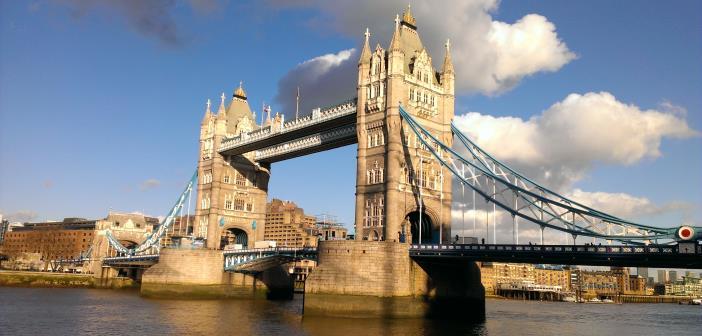
Crossing the iconic Tower Bridge, not only will you witness a stunning example of Victorian engineering, but you'll also see the city from a unique vantage point over the River Thames.
Just a short distance away, marvel at the HMS Belfast, an impressive warship that's now a floating museum, silently narrating stories of maritime warfare and heroism. From there, soar to new heights of wonder as you gaze upon The Shard, London's crystalline vertical city that pierces the skyline.
And as you amble, be sure to experience the immersive world of Elizabethan drama at Shakespeare's Globe, where the bard's timeless works continue to enchant.
Attraction | Type | Distance to St. Paul's | Visitor Tip |
|---|---|---|---|
Tower of London | Historic | 1.3 miles | Arrive early to avoid crowds. |
Tower Bridge | Engineering | 1.2 miles | Visit the engine rooms to learn about the bridge's mechanics. |
HMS Belfast | Museum | 0.8 miles | Check out the operations room for an interactive experience. |
The Shard | Architecture | 0.7 miles | Book a twilight slot to see London's lights shimmer. |
Shakespeare's Globe | Theatre | 0.9 miles | Standing tickets provide an authentic experience. |
Hidden Gems: Side Streets and Secret Spots
Veer off the beaten path and you’ll uncover secrets only whispered by the city's guardians. Meander through the winding alleyways that hem the Thames, where antique bookshops and clandestine cafes are eager to share their stories. Descend into the Victorian underworld at the The Monument, a tribute to the Great Fire of London — climb its spiral to brush the sky and pocket panoramic views most never claim.
An expedition layered with narrative echoes of kings, architects, and artists, the path to St. Paul's Cathedral bears seeds of enchantment that blossom with every step. Unearth these hidden treasures, and your journey becomes as captivating as the destination itself.
Navigational Nuances: Step-by-Step Guide
Navigating a new city can be as thrilling as it is daunting, but with the right guidance, every turn becomes a story, and every street corner, a landmark. This guide is your companion through the winding streets and remarkable history of London's heart.
Directional Details: Turn-by-Turn Instructions
To help you visit some of London's most iconic attractions seamlessly, here's a detailed turn-by-turn instruction that will take you through the historic cobblestones with ease:
Start at the Tower of London, a historic castle located on the north bank of the River Thames. You might want to explore its fascinating history with a skip-the-line ticket.
Exit the Tower and head west along the Thames Path for about 10 minutes until you arrive at St Katharine's Docks, a vibrant marina awash with shops and eateries.
Continue westward for another 15 minutes to find yourself admiring the HMS Belfast, an impressive warship-turned-museum.
From the HMS Belfast, proceed to the west along the Queen's Walk. Soon, you'll reach the iconic The Shard. Marvel at its stunning architecture or venture up to the glass platform for a breathtaking view of the city.
Descend from The Shard and amble along St Thomas Street to the vibrant Borough Market, where food lovers can enjoy a rich array of gourmet delights.
After satisfying your culinary cravings, walk along Southwark Street and turn onto Sumner Street to take in a play at the historic Shakespeare's Globe.
To conclude your journey, head over the Millennium Bridge, which will lead you directly to the magnificent St Paul's Cathedral.
User-Friendly Map Integration: A Visual Aid for the Journey
Although the step-by-step directions are comprehensive, a map not only serves as a visual aid but also brings a sense of location to your journey. Here's how to make the most of user-friendly map apps:
Download a map application on your phone. Google Maps and Citymapper are popular choices among travelers.
Bookmark each location you plan to visit. This will save you time and provide a visual route.
Look for the 'walking' icon to get pedestrian-friendly directions and estimated travel times.
If available, switch to 'street view' to familiarize yourself with landmarks and the general atmosphere of the places you'll be walking through.
Here's a table summarizing the key attractions on your trip and their walking distances:
Attraction | Walking Distance | Estimated Time |
|---|---|---|
Tower of London to St Katharine's Docks | 0.5 miles | 10 minutes |
St Katharine's Docks to HMS Belfast | 0.7 miles | 15 minutes |
HMS Belfast to The Shard | 0.3 miles | 6 minutes |
The Shard to Borough Market | 0.2 miles | 4 minutes |
Borough Market to Shakespeare's Globe | 0.3 miles | 6 minutes |
Shakespeare's Globe to St Paul's Cathedral | 0.5 miles | 10 minutes |
Experience Enhancements: Tips for the Traveler
Best Times to Visit: Avoiding the Crowds
Timing can be everything when planning a trip. If you're eyeing a popular destination, the goal is to balance good weather with a lesser flow of visitors. Typically, shoulder seasons – the travel period between peak and off-peak seasons – offer a sweet spot offering favorable conditions and thinner crowds.
Take Europe, for instance, where late spring (April to June) and early autumn (September to October) often boast mild weather and fewer tourists. Alternatively, visiting attractions early in the morning or late in the afternoon can help you bypass peak visitation hours.
Researching local events can also save you from unexpected crowds. Festivals, national holidays, or school breaks can cause a significant influx of visitors. By planning around these occurrences, you can ensure a more peaceful and personal experience.
Comfort and Convenience: Where to Rest and Refresh
The joy of travel can be marred by discomfort and the lack of amenities. Knowing where to find a cozy nook or a place to freshen up is key to keeping your spirit energized during your travels. Accommodations aside, many cities provide a variety of options to rest.
Facility | Location | Type of Rest | Amenities | Approximate Cost |
|---|---|---|---|---|
Cafés & Tea Rooms | Citywide | Short breaks | Wi-Fi, Restrooms | $2-$5 |
Parks & Benches | Scattered Areas | Relaxing & People Watching | Nature, Playgrounds | Free |
Public Libraries | Central & Local | Quiet Reading/Work | Charging Stations, Restrooms | Free |
Museums | Various | Cultural Exploration | Lockers, Cafés | $10-$20 |
Additionally, many upscale department stores offer customer lounges that you can use for a quick pause in your shopping adventures. They may feature seating areas, restrooms, and even cafes. Remember to check local tourism websites for more unique resting spots specific to your destination.
A vital step-by-step tip when you are in need of revitalization: look for community centers. These hubs are often overlooked by travellers but can offer a variety of amenities, from swimming pools to showers:
Use a mapping app to locate the nearest community center.
Review the services offered; these can often be found on the city's official website.
Check the opening hours to ensure it aligns with your schedule.
If required, call ahead to inquire about temporary visitor access or fees.
Plan your visit, and enjoy the local facilities on offer!
Best Times to Visit: Avoiding the Crowds
Timing can be everything when planning a trip. If you're eyeing a popular destination, the goal is to balance good weather with a lesser flow of visitors. Typically, shoulder seasons – the travel period between peak and off-peak seasons – offer a sweet spot offering favorable conditions and thinner crowds.
Take Europe, for instance, where late spring (April to June) and early autumn (September to October) often boast mild weather and fewer tourists. Alternatively, visiting attractions early in the morning or late in the afternoon can help you bypass peak visitation hours.
Researching local events can also save you from unexpected crowds. Festivals, national holidays, or school breaks can cause a significant influx of visitors. By planning around these occurrences, you can ensure a more peaceful and personal experience.
Comfort and Convenience: Where to Rest and Refresh
The joy of travel can be marred by discomfort and the lack of amenities. Knowing where to find a cozy nook or a place to freshen up is key to keeping your spirit energized during your travels. Accommodations aside, many cities provide a variety of options to rest.
Facility | Location | Type of Rest | Amenities | Approximate Cost |
|---|---|---|---|---|
Cafés & Tea Rooms | Citywide | Short breaks | Wi-Fi, Restrooms | $2-$5 |
Parks & Benches | Scattered Areas | Relaxing & People Watching | Nature, Playgrounds | Free |
Public Libraries | Central & Local | Quiet Reading/Work | Charging Stations, Restrooms | Free |
Museums | Various | Cultural Exploration | Lockers, Cafés | $10-$20 |
Additionally, many upscale department stores offer customer lounges that you can use for a quick pause in your shopping adventures. They may feature seating areas, restrooms, and even cafes. Remember to check local tourism websites for more unique resting spots specific to your destination.
A vital step-by-step tip when you are in need of revitalization: look for community centers. These hubs are often overlooked by travellers but can offer a variety of amenities, from swimming pools to showers:
Use a mapping app to locate the nearest community center.
Review the services offered; these can often be found on the city's official website.
Check the opening hours to ensure it aligns with your schedule.
If required, call ahead to inquire about temporary visitor access or fees.
Plan your visit, and enjoy the local facilities on offer!
Conclusion: Reflecting on the Route from Monument to St. Paul's
End of the Road: Arrival at St. Paul's Cathedral
The journey from the smoldering Monument, standing tall in remembrance of the Great Fire, to the timeless grandeur of St. Paul's Cathedral is one that takes you through centuries of London's storied past. As the impressive dome of St. Paul's comes into view, there's a palpable sense of history that envelops you—a testament to the indomitable spirit of the city that has withstood the test of time.
Upon setting foot inside St. Paul's, the vastness of its interior space immediately humbles all who enter. The intricate mosaics, the golden glow of the altar, and the resounding silence that speaks louder than words, all come together to create an almost ethereal experience. The remarkable acoustics of the Whispering Gallery continues to astonish visitors, demonstrating the architectural brilliance at the heart of this historic cathedral.
The journey concludes, but it leaves behind a rich tapestry of memories woven from the vibrant streets, the echo of the city's heartbeat, and the architectural marvels encountered along the way. It is these impressions that travelers will carry with them, long after the details of each landmark begin to fade, leaving an indelible mark of London's resilience and beauty.
End of the Road: Arrival at St. Paul's Cathedral
The journey from the smoldering Monument, standing tall in remembrance of the Great Fire, to the timeless grandeur of St. Paul's Cathedral is one that takes you through centuries of London's storied past. As the impressive dome of St. Paul's comes into view, there's a palpable sense of history that envelops you—a testament to the indomitable spirit of the city that has withstood the test of time.
Upon setting foot inside St. Paul's, the vastness of its interior space immediately humbles all who enter. The intricate mosaics, the golden glow of the altar, and the resounding silence that speaks louder than words, all come together to create an almost ethereal experience. The remarkable acoustics of the Whispering Gallery continues to astonish visitors, demonstrating the architectural brilliance at the heart of this historic cathedral.
The journey concludes, but it leaves behind a rich tapestry of memories woven from the vibrant streets, the echo of the city's heartbeat, and the architectural marvels encountered along the way. It is these impressions that travelers will carry with them, long after the details of each landmark begin to fade, leaving an indelible mark of London's resilience and beauty.