When I first read The Lord of the Rings it was with a thrill of recognition. The fictional world of Middle-earth was overlaid in my mind with the magical landscape in which I spent every summer: Snowdonia, with its sparkling lakes and misty mountains, its disused slate quarries that could be the entrance to the Mines of Moria. Tolkien was inspired not just by these views, but by the lilting language which he adapted into the Elvish tongue of Sindarin, and by the tall tales of giants and warriors and rings of invisibility in the medieval Welsh legends of the Mabinogion. North Wales is a land of dreamers, poets and bards, of Dylan Thomas and Bryn Terfel, where the most coveted honour is the crown or chair for poetry given at the National Eisteddfod by the Archdruid in flowing white robes.
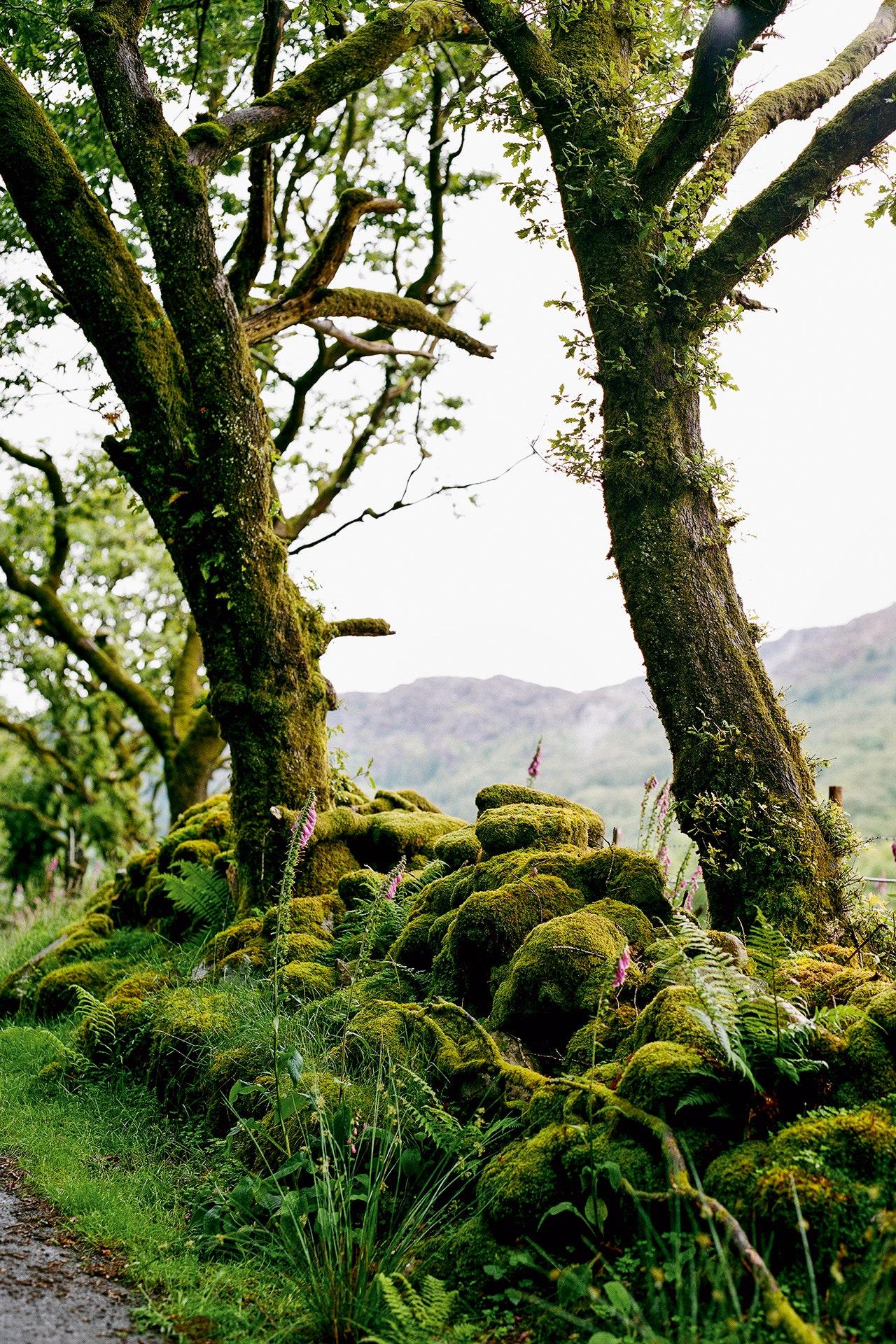
The Woodland Trusts's Cwm Mynach valley, Snowdonia, North WalesCraig Fordham
I was accustomed to such company as a child. My grandfather was a bearded pipe-smoking giant of a man called Richard Hughes, a celebrated playwright, screenwriter and author of A High Wind in Jamaica, but plain ‘Diccon’ to his friends and 13 grandchildren. It was he who introduced Thomas to his beloved village of Laugharne when he housed the penniless poet for a few months beside a ruined castle, until Thomas nearly ruined the wine cellar.
By the time I came along, Diccon lived in a big house on the Dwyryd Estuary. It was, and still is, a place of marvels. The Dwyryd is tidal, always changing – rolling waters for half the day, ankle-deep banks of rich, soft sand for the rest. The sea leaves a wavy pattern on the sand, as on fingertips soaking too long in the bath, so that on summer days the white sand and blue water are indistinguishable from white cloud and blue sky, and you no longer know which is up and which is down and where the sky ends and the earth begins.
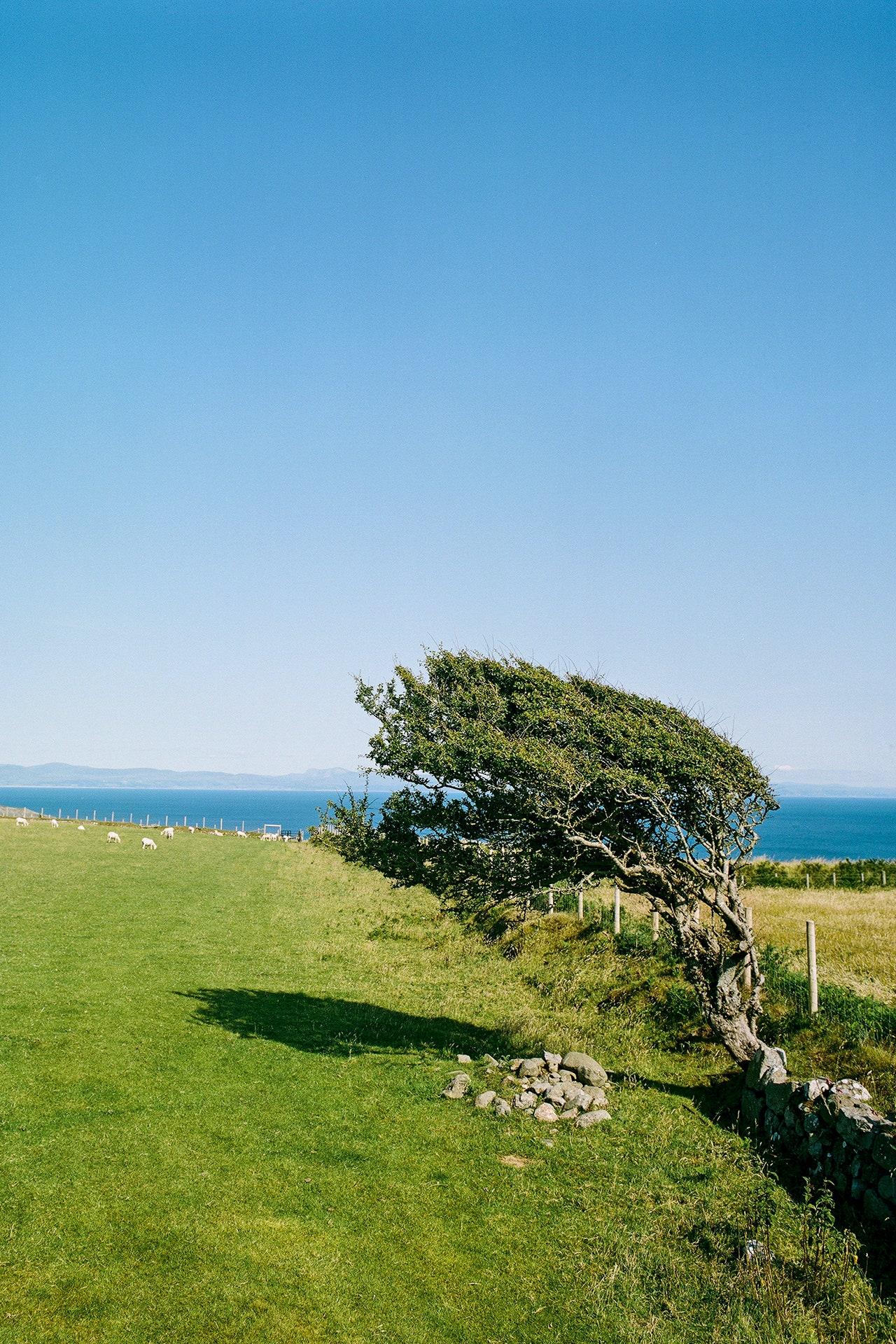
Cilan Head, located in North Wales, is home to an intriguing tale surrounding a remote and enigmatic island. Legend has it that the island's sole inhabitant is a reclusive farmer armed with a blunderbuss. Although venturing to the island's rock pools felt daunting, there was one occasion that put my fears at ease: a sunny day in the early 1970s when Princess Margaret’s children joined me, their mother enjoying a horseback ride on my grandmother's horses. As we strolled along the coastline, I couldn't help but notice the two armed guards shadowing our every move, dressed sharply and wearing visible gun holsters. However, their tough stance was somewhat compromised as they, just like the rest of us, had to remove their footwear and roll up their trousers.
Did you know that Cilan Head is surrounded by the picturesque estuary? Its captivating beauty adds to the allure of the mysterious island and its misanthropic farmer. The story of my encounter with armed guards while enjoying the rock pools reveals a unique chapter in the island's history, bridging connections between the royal family and my grandmother's beloved horses. It's a tale that reminds me of the layers of human experiences that can intertwine even in the most secluded places.
Look up in any direction but the open sea, and the horseshoe of the estuary is fringed by mountain peaks, Snowdon uppermost. I first climbed Wales’s highest mountain at the age of five and had my children do likewise. Cnicht is another favourite: it looks so tall and pointed that it’s known as the Welsh Matterhorn, but you can get up and down in well under three hours.
But best of all, across the estuary is a sight that never fails to astonish. A sprawling Italianate village emerges from the woodland as if through some rift in the space/time continuum, a Mediterranean vision in ice-cream pinks, teal and terracotta, its jumble of domes and towers a merry counterpoint to the dark hills.
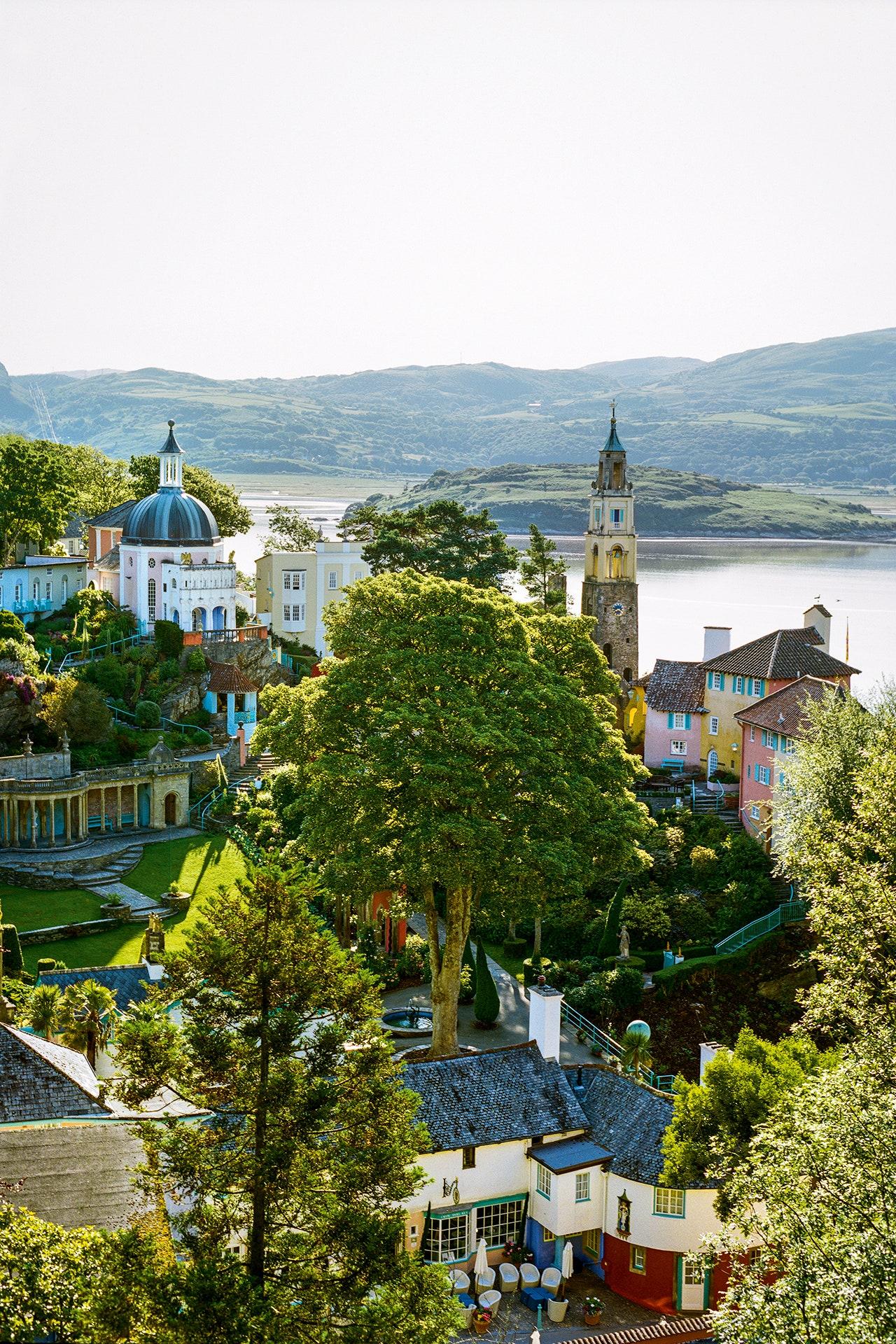
Portmeirion, North WalesCraig Fordham
This is the hotel of Portmeirion, built over the course of 50 years by Welsh architect Clough Williams-Ellis, and it is, for my money, one of the most striking views in all of Europe. Just as Portmeirion owes its existence to Williams-Ellis, so do I. It was he who fatefully sent my grandfather to meet a young artist at the train station. He set her on the back of his unreliable motorbike, which, Diccon used to joke, ‘went from time to time rather than place to place’ and married her not long after. In the 1930s, they attended bohemian parties at Portmeirion with other writers, intellectuals and artists. On one such evening, my grandparents had more guests staying than there were cars, so they sent the women round by road, while the men crossed the estuary on foot, stripped naked, holding their dinner jackets above their heads. They arrived dripping on the far bank to dress before entering the hotel, like James Bond emerging from the water in Goldfinger.
Every summer, even now, 40 years after my grandfather’s death, I visit Carreg y Ro Bach, which my mother inherited as no more than a single stone-walled room with a stream running across the floor. The window is an old ship’s porthole set into a deep round hole in the slate walls: through it Portmeirion is perfectly framed.
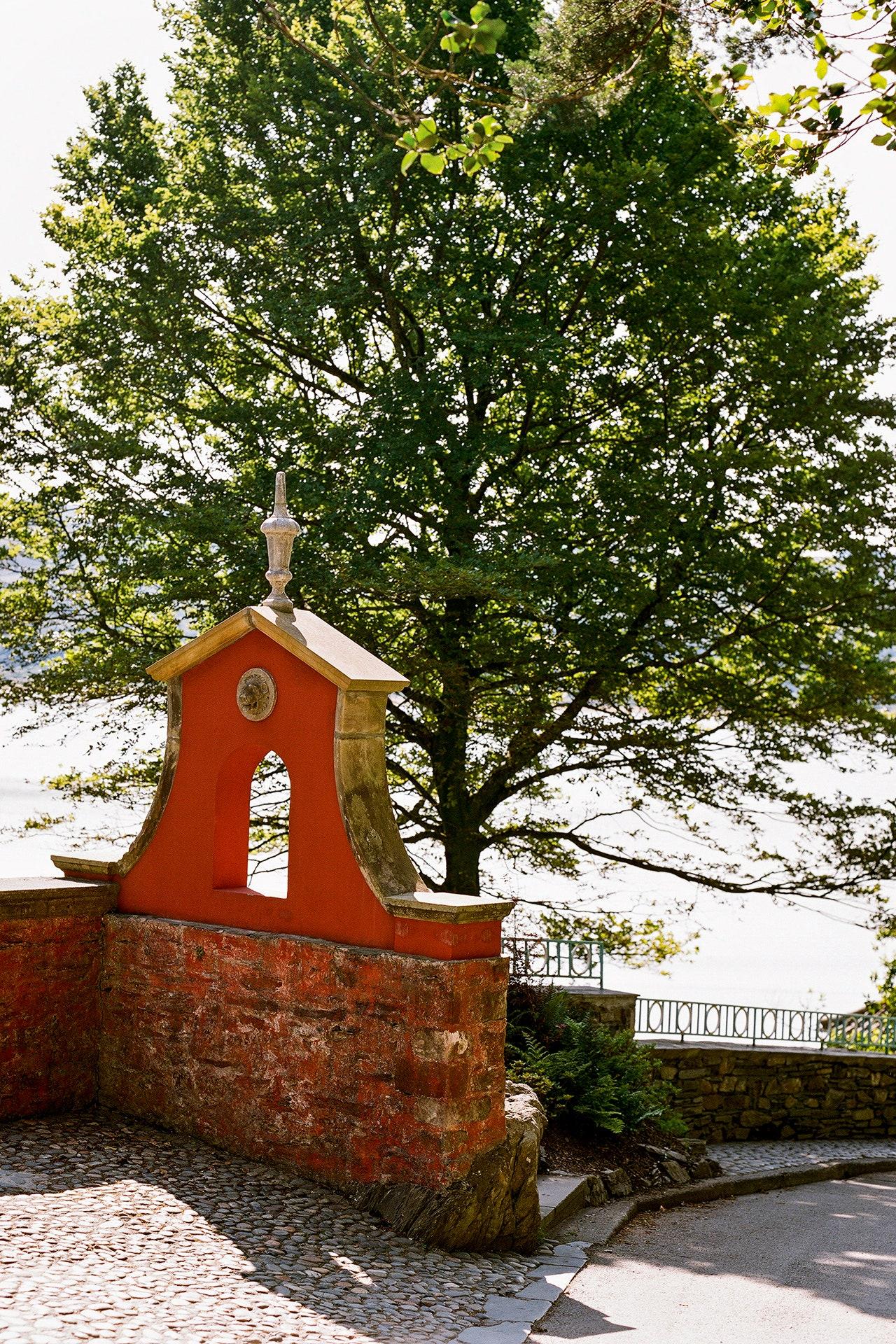
The hill at Portmeirion, North WalesCraig Fordham
Yet in all these 50-odd years of admiring the village from afar, and visiting it along with 200,000 other annual sightseers, I had never once stayed the night. Portmeirion is astonishing enough by day: Williams-Ellis called it his ‘home for fallen buildings’, so that as well as the Mediterranean-style houses he designed himself, you will find a shrapnel-riddled Grade II-listed colonnade rescued from Bristol after the war (his own face is carved into a gargoyle); 32 mermaid-design ironworks from Liverpool; and even a great domed statue of Buddha which had been part of the set design when Ingrid Bergman filmed The Inn of the Sixth Happiness around here in 1958. Most spectacular is the Hercules Hall: its 17th-century vaulted plasterwork ceiling representing the Labours of Hercules was salvaged from Emral Hall in Flintshire before its demolition and transported here in more than 100 pieces.
Portmeirion's houses are not just ordinary buildings; they are extraordinary guest rooms. These guest rooms can be found in the main hotel building by the water's edge or in the Victorian mock-castle Castell Deudraeth. Each room is completely unique, allowing guests to have a one-of-a-kind experience. One couple I had the pleasure of meeting has been exploring these rooms for the past 30 years, appreciating the individuality and charm of each one.
Being a guest at Portmeirion is truly a magical experience. The true enchantment begins at 7pm, when the day-trippers have departed and the area is transformed. The slanted rays of sunlight beautifully illuminate the clock tower, while the peacefulness is accompanied only by the delightful melodies of chirping birds. At this moment, Portmeirion becomes your very own personal fantasyland, a place to escape and immerse yourself in the captivating surroundings.
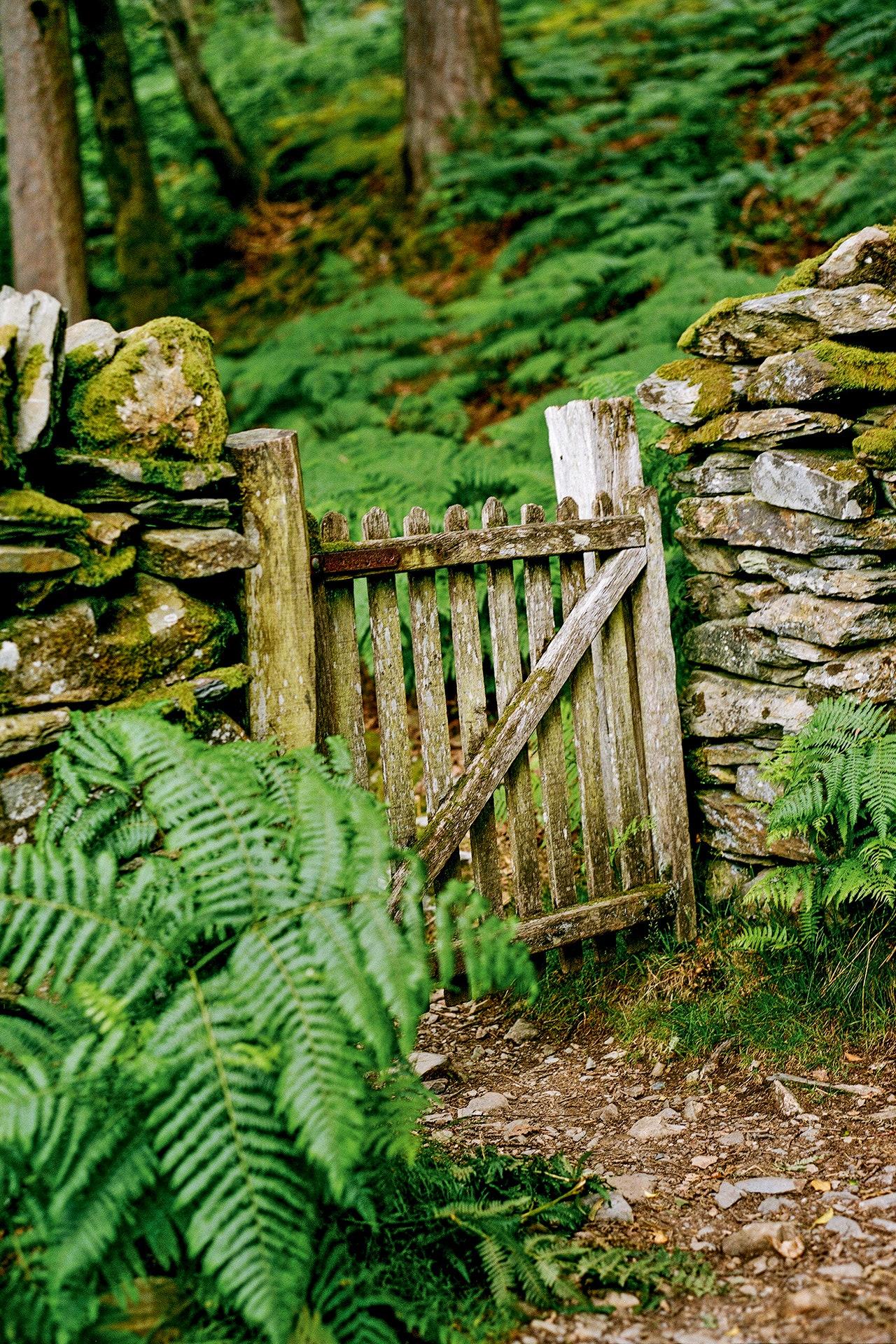
A National Trust trail at Aberglaslyn, North WalesCraig Fordham
Behind Portmeirion you can wander 20 miles of paths through private woodland. Sir William Fothergill Cooke, co-inventor of the telegraph, so impoverished himself in the task of planting it that he had to hide from bailiffs in catacombs under the hotel, fed by his loyal butler through a trap door under the pantry sink.
Many still come for its associations with The Prisoner, the surreal TV thriller that was filmed here in the 1960s. There is a Prisoner shop, an in-room TV channel showing back-to-back episodes and an annual music and arts festival called Festival Number 6, named after The Prisoner’s hero. But really they come for what the show represents: a time of eccentrics and adventurers, when not everything was compartmentalised and explained, when a village like this could be built by an architect because it amused him to do so.
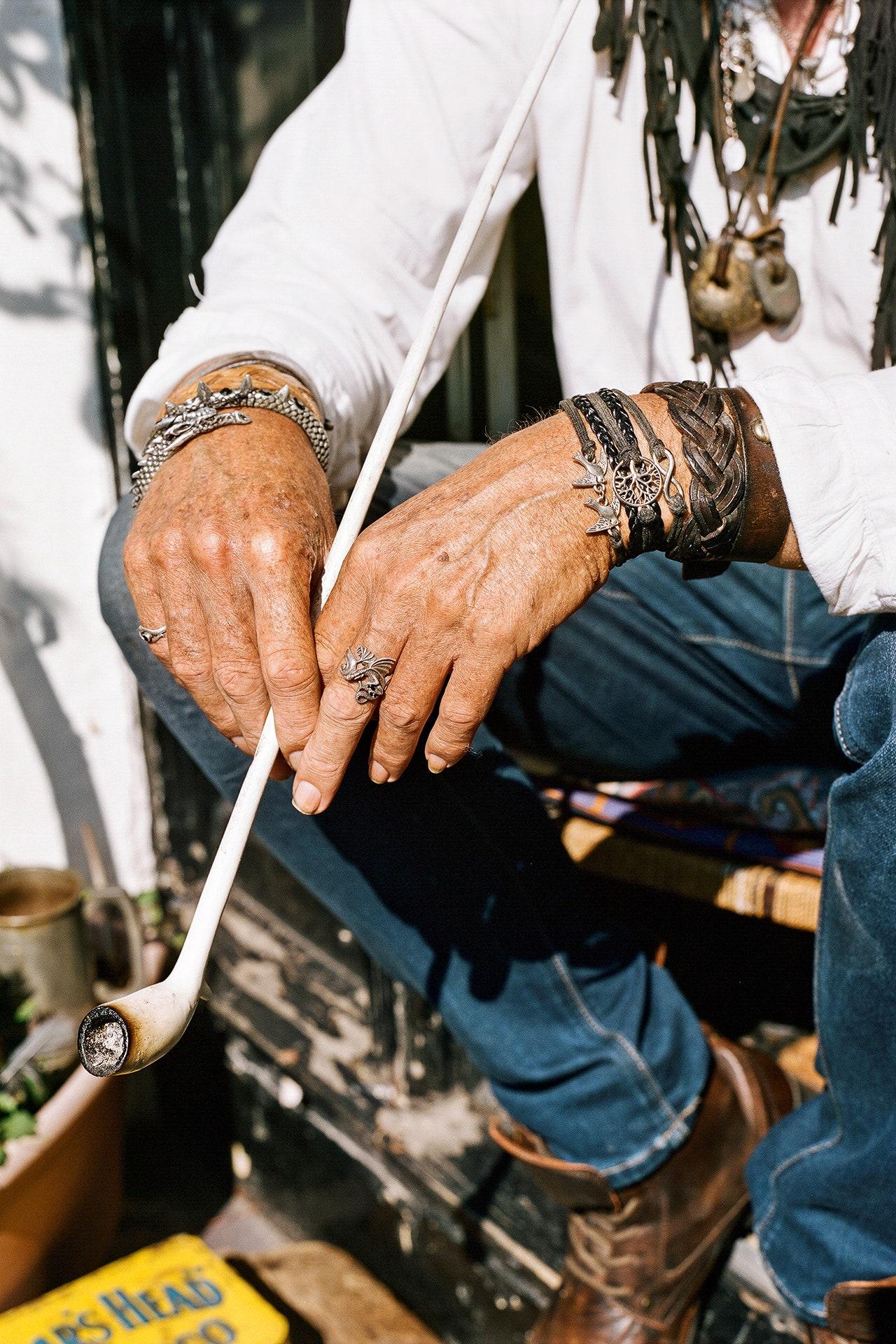
A local holding a pipe, North WalesCraig Fordham
In Snowdonia those eccentrics still flourish. In an old slate mine in nearby Blaenau Ffestiniog an entrepreneur has built a series of trampolines suspended from the roof and walls of a cavern that is twice the size of St Paul’s Cathedral. Its intricate web of ropes is bathed in floodlights that change from red to blue to green to purple: it could be an art installation if it wasn’t also a living game of adult Snakes and Ladders. The unstable movement of the ropes leaves you feeling drunk, or like a toddler again.
And to the west of Portmeirion, on the lovely Llˆyn Peninsula, I discovered a profession straight out of Tolkien. A sign outside Penarth Fawr announced that the 15th-century hall house was closed due to staffing issues; they were looking for a Key Keeper. A good place for lunch nearby is Plas Bodegroes. It might no longer be Michelin-starred, but still has five acres of gardens, a walled pond guarded by twisting wisteria and 200-year-old beech trees that lead to a stream, plus rooms upstairs if you want to stay the night.
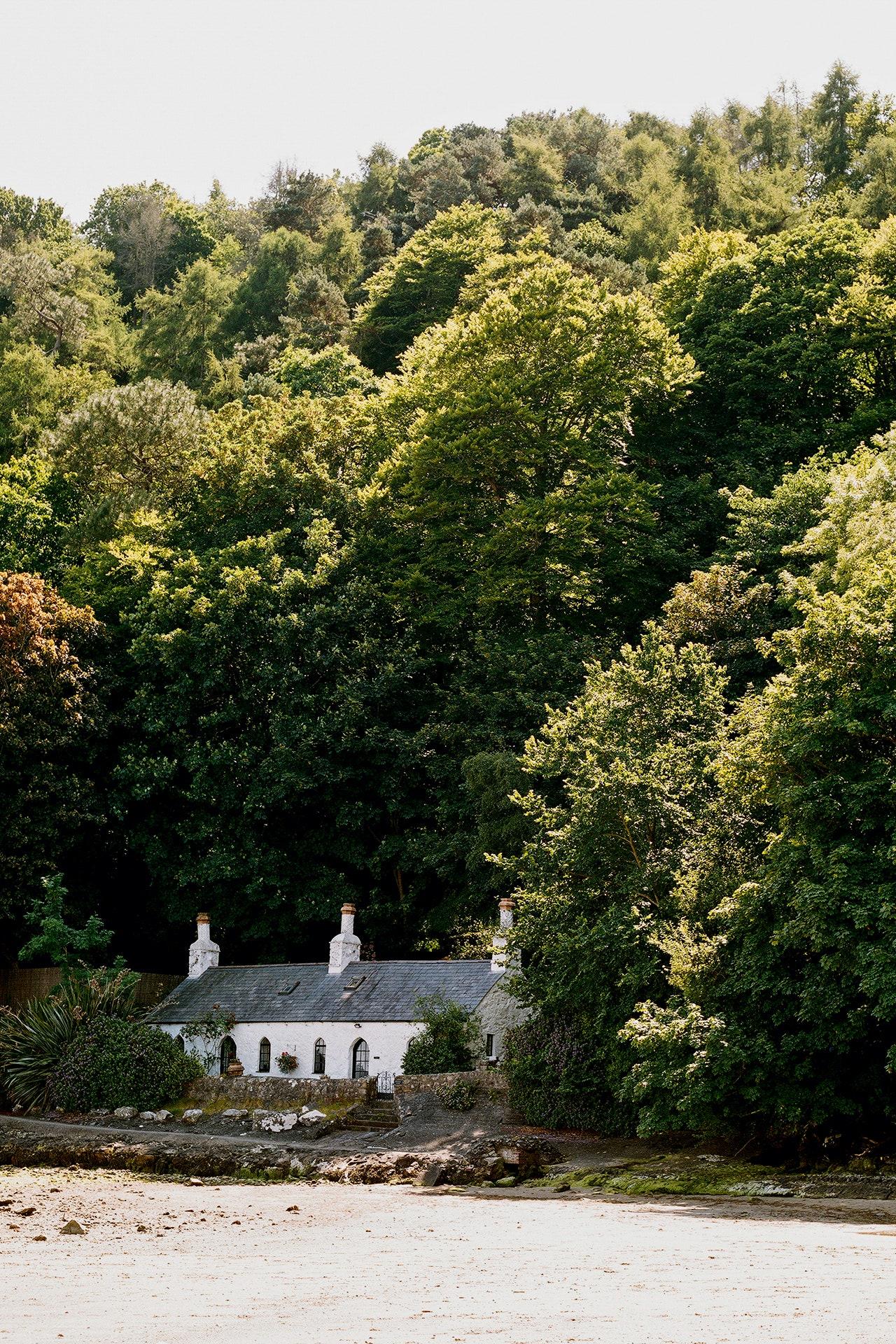
A house on Llanbedrog beach, North WalesCraig Fordham
But the crowning glory of the peninsula is the remarkable Victorian Gothic mansion Plas Glyn-y-Weddw, Wales’s oldest art gallery, with rich red walls and a vast hammer-beam ceiling rising high above a Jacobean staircase. Above the Plas, through the lost woodland paths of Winllan, it’s a short climb to the top of the headland upon which a lone figure has stood sentinel for more than a century. First it was a wooden statue, but that was burned by vandals in the 1970s; then a tin man, which did not survive the elements; and finally an iron man, airlifted up in 2002.
The view is spectacular: mountains, sea, and a row of multi-coloured beach huts on the perfect sands of Llanbedrog. I get chatting to a couple in their 50s, who look alarmed when I say I am a travel writer. ‘Don’t write about this place or everyone will discover it!’ says the man. ‘There’s just something about being up here with the mountains and the sea. Puts everything into perspective, doesn’t it?’
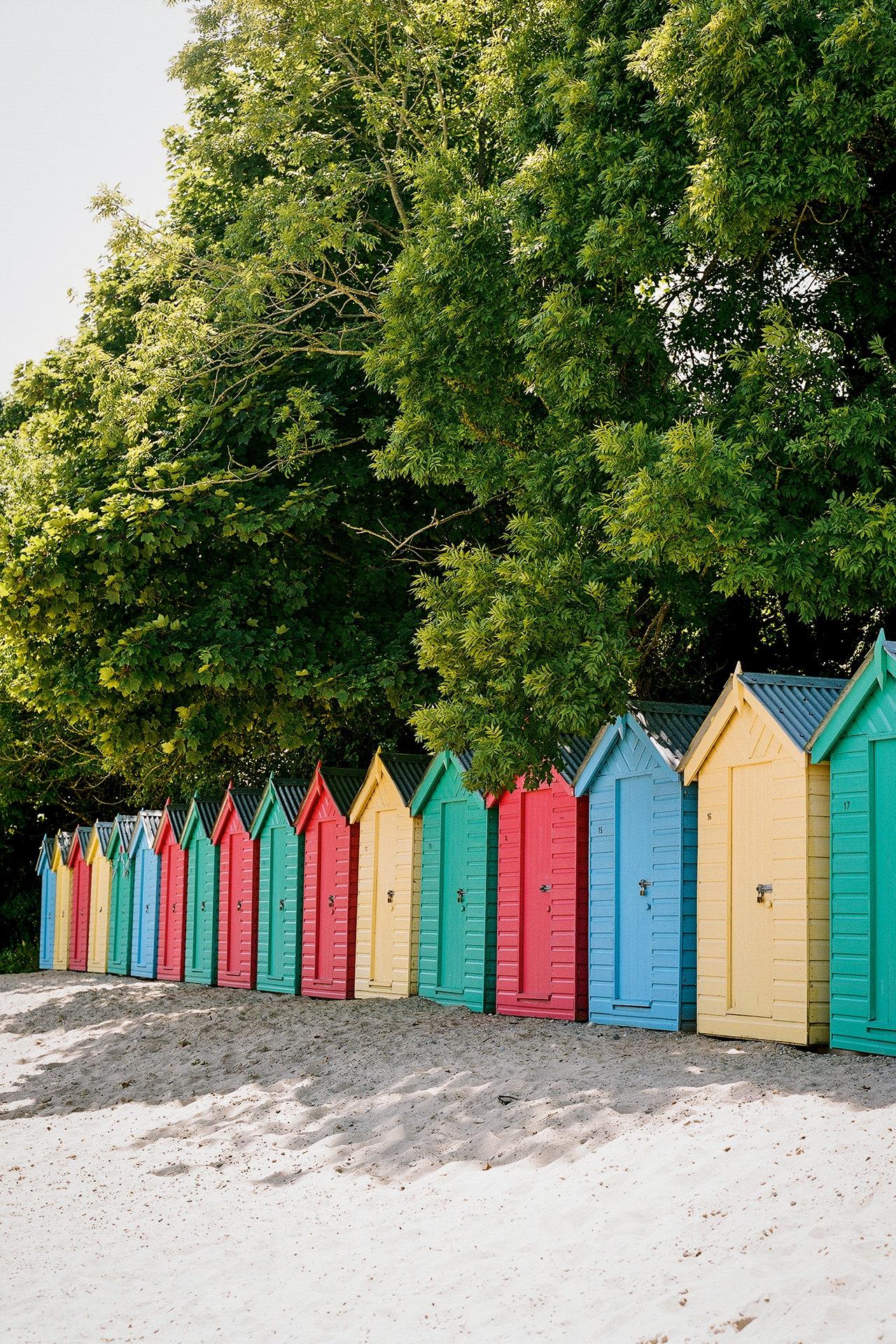
Beach huts at Llanbedrog, North WalesCraig Fordham
It does indeed. So I shouldn’t mention Criccieth Castle, with its two towers silhouetted on a round hill jutting out to sea; nor the Whistling Sands – so-called for the noise they make when you rub your feet on them – in a picturesque cove with a tiny trail winding around the headland, part of the West Coast Path which stretches for 870 miles; nor the very tip of the peninsula, seemingly the edge of the earth itself, where even language has run out, in a place called Uwchmynydd.
Perched upon a gusty precipice, my eyes were treated to the scenic panorama of Bardsey, also known as the mystic 'isle of the 20,000 saints'. This place has echoes of history - a significant stopover for pilgrims in the times of yore, and the believed final resting site of King Arthur. A prophecy says he will awaken once more in the grim hour of England's fate. As I stood there, the heavens seemed to break open, allowing beams of sunlight to infiltrate the firmament. The luminous rays, as they glided over the ocean, bore an ethereal resemblance to mystical spotlights, stirring imaginations of doing a heavenly reconnaissance for lost seraphs.
For those wishing to experience this magical place, you can reserve a double room at the enchanting Hotel Portmeirion for merely £125. Moreover, double accommodations at Plas Bodegroes (bodegroes.co.uk) are available from £99, with a mouthwatering dinner for two at approximately £90. For those still weighing their options or seeking more luxurious stays, the region boasts some of the most picturesque resorts in Wales, each offering exceptional service and unique experiences that cater to even the most discerning travelers. It's worth noting that the accommodations mentioned are just the tip of the iceberg. When planning your trip, be sure to explore tophotels.com for a comprehensive list of reputed establishments where you can compare ratings, amenities, and prices to find the hotel or resort that best suits your needs and desires. With an abundance of choices, finding your ideal Welsh retreat is just a few clicks away.