- 1. Is it safe to drink tap water in Europe? Not necessarily. Find out here why it may not always be advisable to drink from the tap, even when vacationing in European countries.
- 2. Hotels: The dangers of unused pipes
- 3. Very hot water = less risk
- 4. Tap water: Differences across Europe
- 5. In these countries, you should also avoid tap water
Is it safe to drink tap water in Europe? Not necessarily. Find out here why it may not always be advisable to drink from the tap, even when vacationing in European countries.
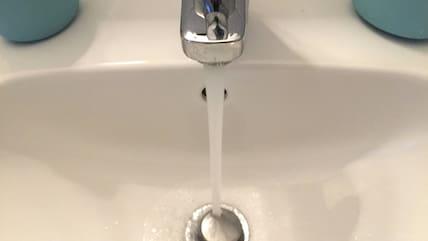
In Germany, drinking from the tap is safe, and thanks to the high water quality, even recommended. But what about when you're on vacation? Is it safe to drink from the tap, and when should you rely on bottled water?
We explain the risks and point out the European countries where you should avoid drinking tap water altogether or regionally.
Hotels: The dangers of unused pipes
When hotels have fewer guests outside the peak season, water pipes may be rarely or never used. And that's often where problems arise. If a tap isn't turned on for a long time and the warm water sits for months, the risk of bacteria formation in the pipes increases. This can lead to the formation of E.Coli bacteria, which can cause gastrointestinal illnesses if consumed.
There is also the risk of Legionella, which can cause symptoms like cough, chills, and headaches. Thus, sometimes it's safest not to drink directly from the hotel tap. For the same reason, at the restaurant in your vacation spot, you should opt for bottled water instead of a glass of tap water. The same applies to drinks with ice cubes and (washed) salads.
If you draw a glass of cloudy water from the tap or are served one, you should be cautious and avoid drinking it. The discoloration can be a sign of unhealthy chlorine, lime, or iron deposits.
Very hot water = less risk
However, it's a good sign if a hotel warns about the high temperature of its water ('Warning: Hot Water!'). Only a hot water tank heated to at least 140 degrees Fahrenheit (60 degrees Celsius) can reliably prevent the growth of Legionella.
Tap water: Differences across Europe
In some European countries, you should inquire locally whether the tap water is safe to consume. These include England, Poland, Italy, Spain, Portugal, and Greece.
In Spain, for example, whether tap water is drinkable depends on the region. As a rule of thumb: Water is generally more drinkable in northern Spain than in places such as Mallorca or the Canary Islands.
In Southern Italy and on Sardinia, bottled water should also be preferred. In Portugal, the water at the coast is almost always worse than inland and can be heavily chlorinated.
In these countries, you should also avoid tap water
And in these popular vacation destinations outside of Europe, you should also rely on bottled water:
- Egypt
- Argentina
- Brazil
- China
- India
- Indonesia
- Morocco
- Mexico
- South Africa
- Thailand
- Turkey
However, in every country: Even if tap water is deemed drinkable, you should still let the water run for at least ten seconds before using it for drinking or cooking. This helps flush out any possible deposits in the pipes that could contaminate the water. This rule should always be followed if the water has been standing for more than four hours.