A long, not so quiet "river
No other city tells the story of the tumultuous 20th century so well. Thirty years after the fall of the Wall, our reporters followed the course of the River Spree to examine the past, present and future of Germany's fascinating capital.
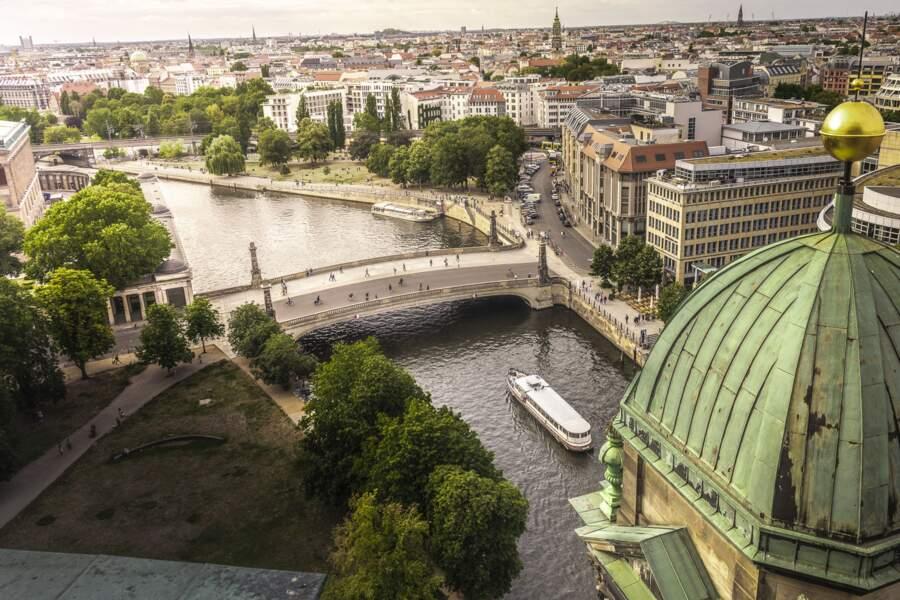
From the Berliner Dom, the view of the Spree is breathtaking. This river, which rises on the Czech border, flows through the German capital for some 40 kilometres. At the time of the division between the FRG and GDR, it served in places as a natural border between Westberlin and Ostberlin, and its banks were a no-man's land. After the fall of the Wall thirty years ago, on 9 November 1989, Berliners gradually rediscovered their river.
In turn
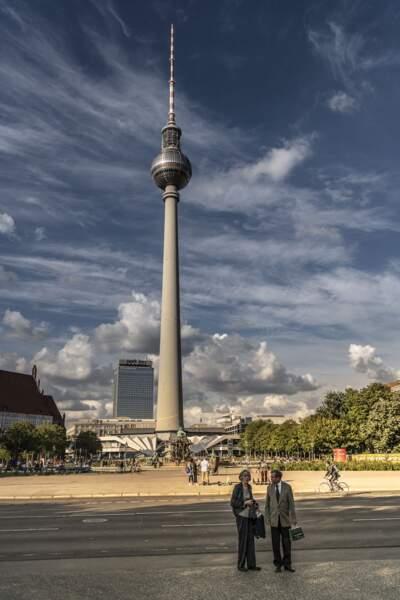
Built in 1969 by East Germany, it defied the "enemy brothers" of West Germany from a height of 365 metres. Today, the Fernsehturm, the television tower, visible from every corner of a huge city (eight times the size of Paris), is one of the symbols of reunified Berlin.
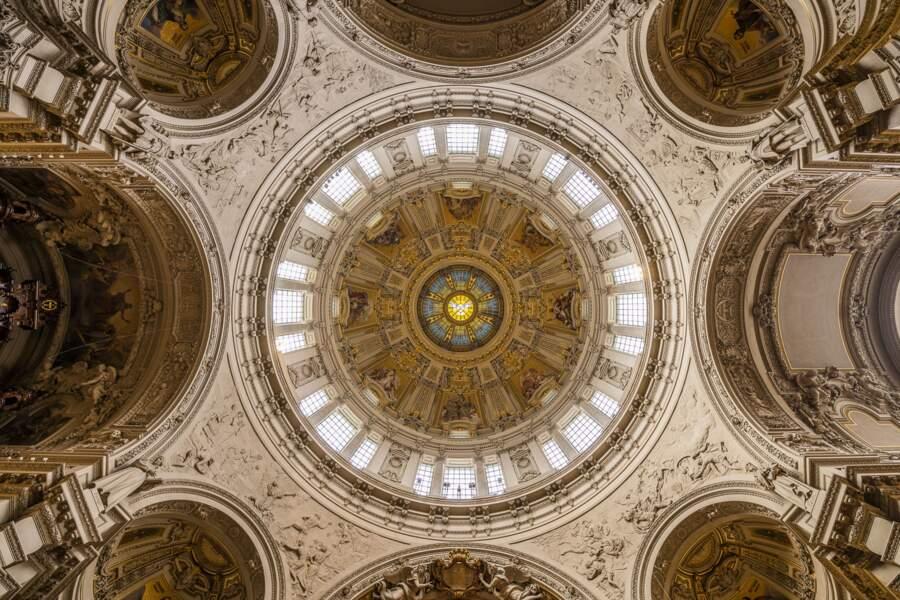
Triumphant church
The luxurious decoration of its nave and dome is impressive. And with good reason: it was Kaiser Friedrich Wilhelm II who chose the plans for the construction of this Protestant temple, which he wanted to be worthy of representing the monarchy in majesty and to rival St Peter's Basilica in Rome or St Paul's Cathedral in London in terms of sumptuousness. However, the Berliner Dom, located on the Museum Island in the heart of the capital, was damaged during the Second World War. Renovation work began under the former GDR in 1975, but was not completed until 1993, three years after the reunification of the two Germanies.
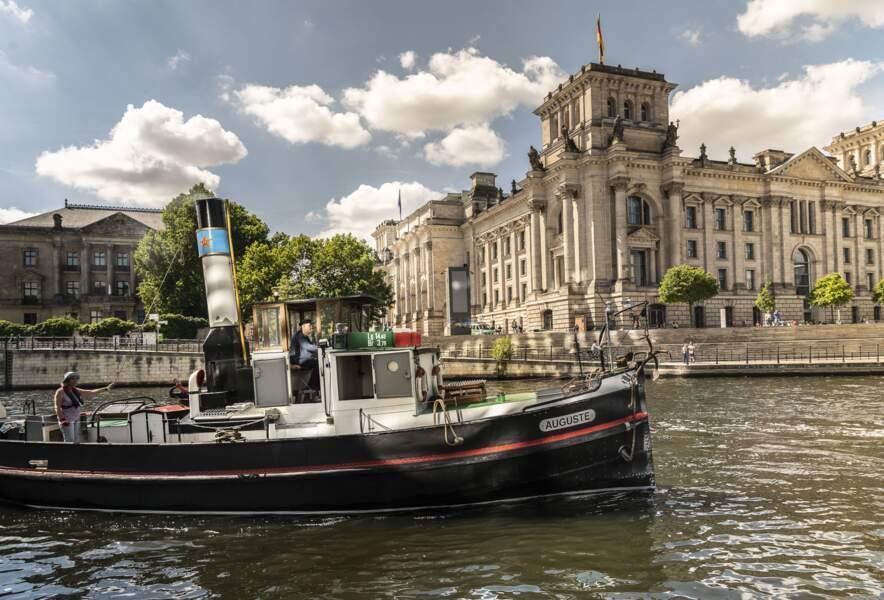
And in the middle flows a river
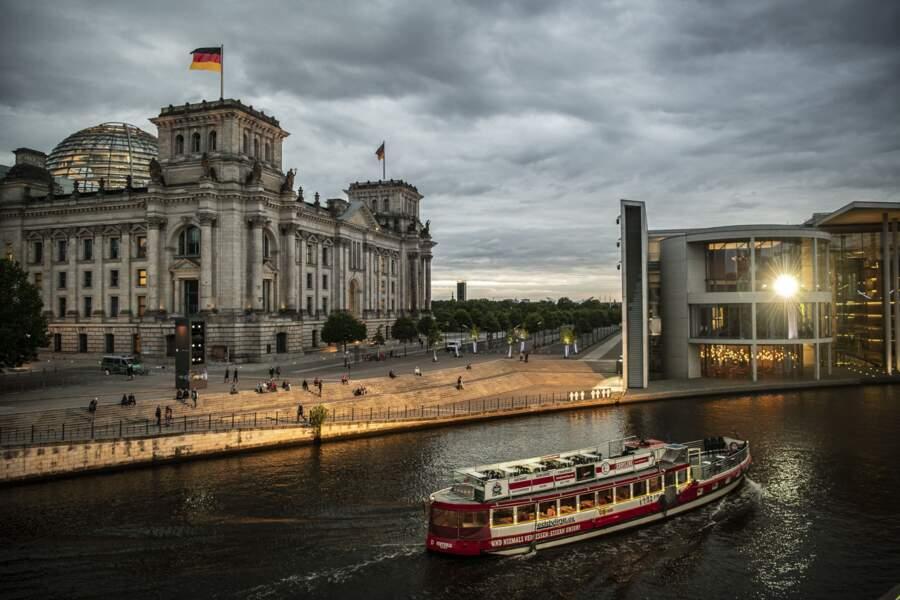
A barge paddles along the Spree where it once served as the border between West and East, in front of the Bundestag, where the Federal Parliament has been sitting since 1999. After reunification nine years ago, politicians decided to move to Berlin's main waterway. The Regierungsviertel, the government quarter, was built on a bend in the river.
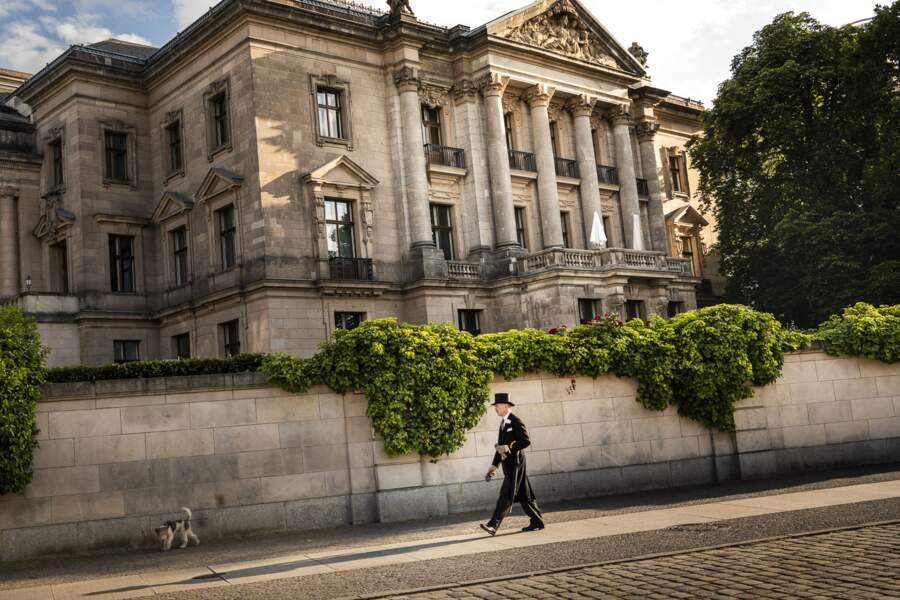
The top hat is on!
A man walking his dog near the banks of the Spree and the affluent Regierungsviertel. After the fall of the Wall, the riverbanks were full of wastelands, industrial wastelands and other disused areas. It took a while for them to be revived and for Berliners to reclaim them. The first to reclaim the reunited Berlin were artists from all over the world. At the time, the German metropolis was an Eldorado for young people with no money, who could rent a flat or a studio for a pittance. In 2000, a decade after the Iron Curtain came down, the average cost of renting was still only 4.24 euros per square metre. Prices have risen by 58% since then, but are still very low for a European capital.
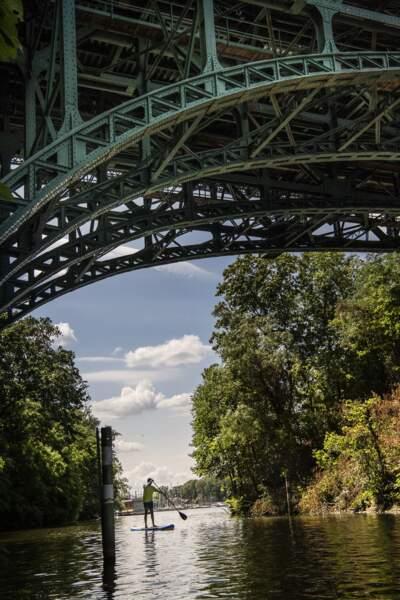
Shut up and row!
A stand-up paddle under one of the capital's 1,500 bridges. Between 1961 and 1989, when Berlin was split in two, only boats with a special licence could navigate the Spree. Today, at weekends, the river is criss-crossed by a myriad of boats of all kinds, from kayaks and canoes to cruise ships and pleasure craft...
Set and match
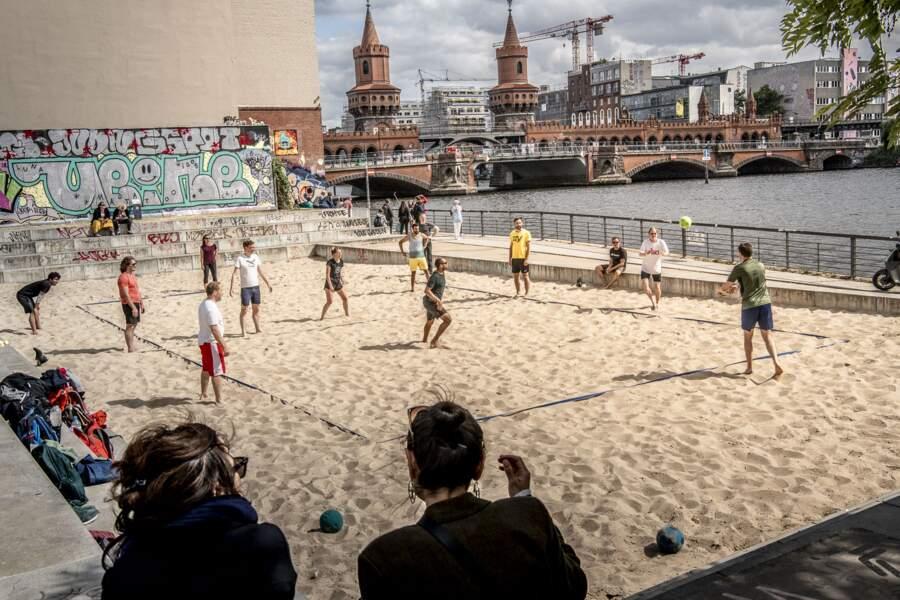
Berliners enjoy outdoor sports on the banks of the Spree, just a stone's throw from one of the last remaining sections of the "anti-fascist protective barrier": only 1% of the "wall of shame" has been preserved. The section of the Mauer, a piece of which can be seen in the background of this photograph, is part of the longest continuous section of the wall still standing (1,316 metres), which has been named the East Side Gallery. Immediately after the events of November 1989, 118 artists from twenty-one countries displayed their creativity on this part of the wall, which was officially declared an open-air gallery on 28 September 1990.
Bubble Pier
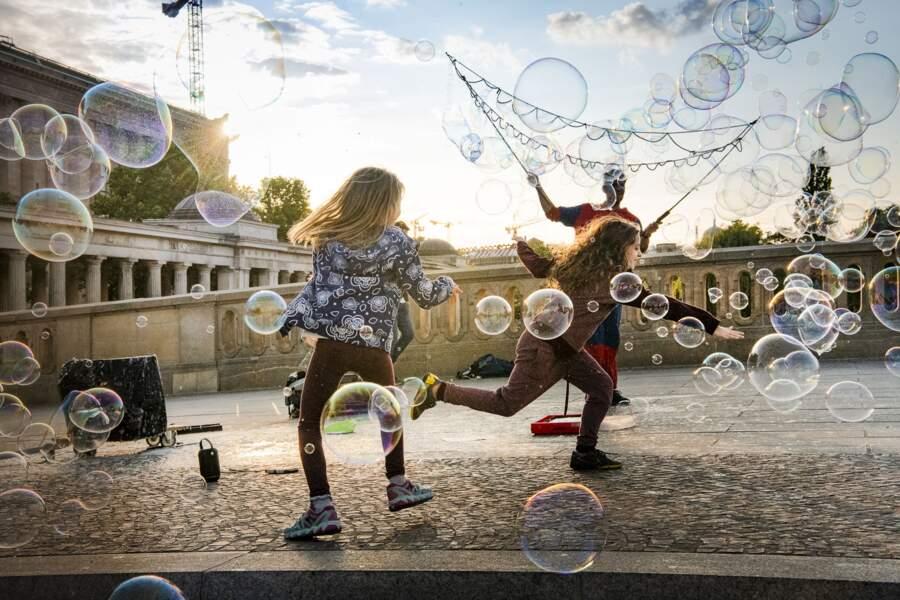
Children play on the Friedrichsbrücke, one of the 1,500 bridges in the city, which is eight times the size of Paris and is irrigated by numerous waterways.
Old border
A riverboat paddles along the Spree, where the border between West and East used to run, past the old and new seats of parliament since 1999. The dome was restored on the occasion of reunification.
City beach
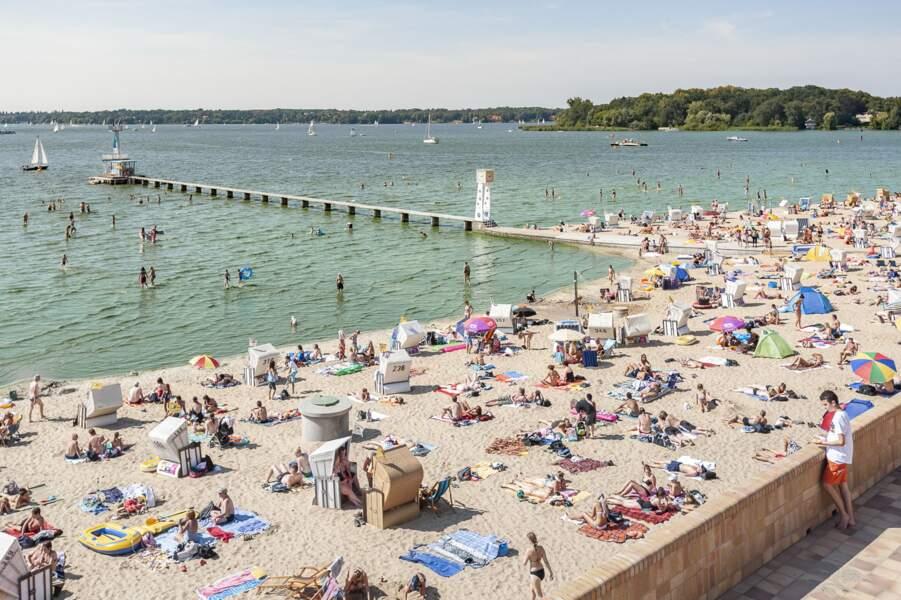
The banks of the Grosser Wannsee in the far west have the feel of a Riviera. In summer, the 1,275 m long sandy beach invites you to relax.
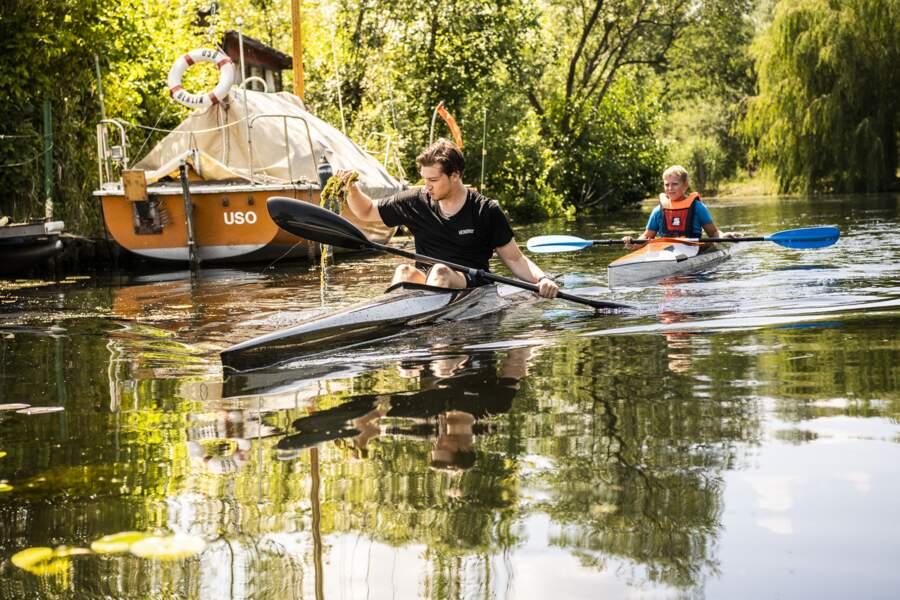
Paddling in peace
Klein-Venedig, Berlin's "Little Venice" in the west, with its reed-lined canals, is a favourite meeting place for paddlers.
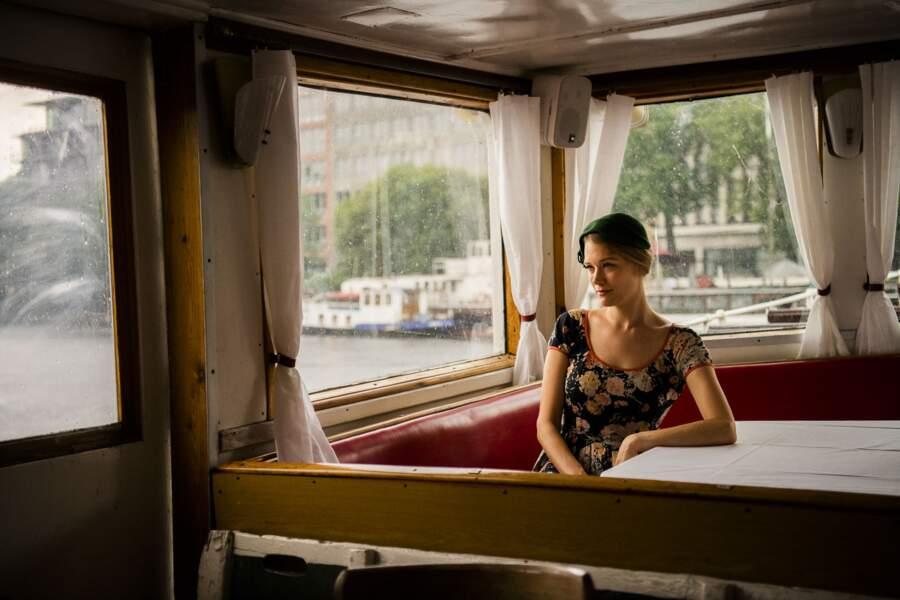
Welcome to the cabaret
This actress from a cabaret troupe brings the Berlin of yesteryear to life during cruises on the Spree. On the menu: a lot of noise and a rich buffet.
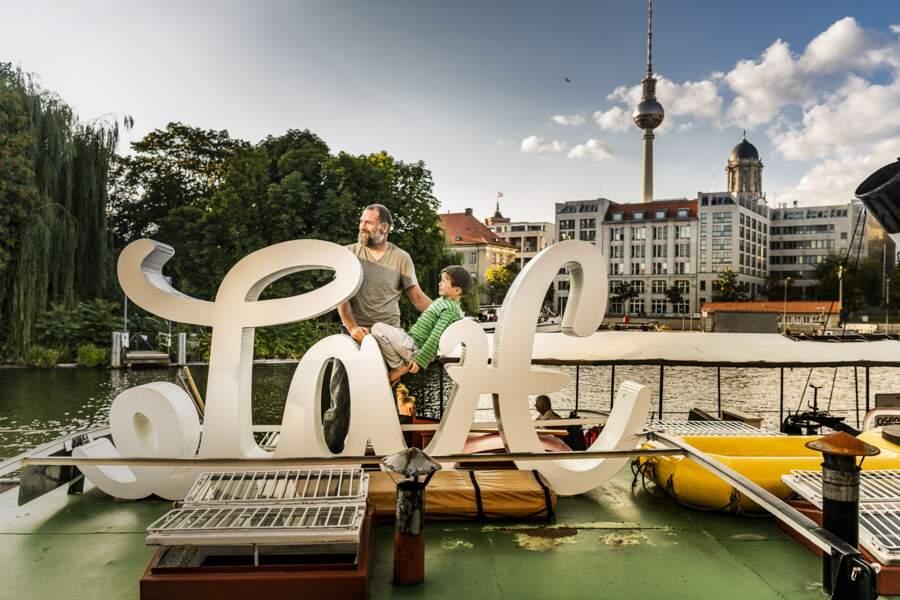
Berlin my love
A father and son are on the deck of a barge. The city centre (in the background, the TV tower) was deserted for a long time and has become a haven for boaters.
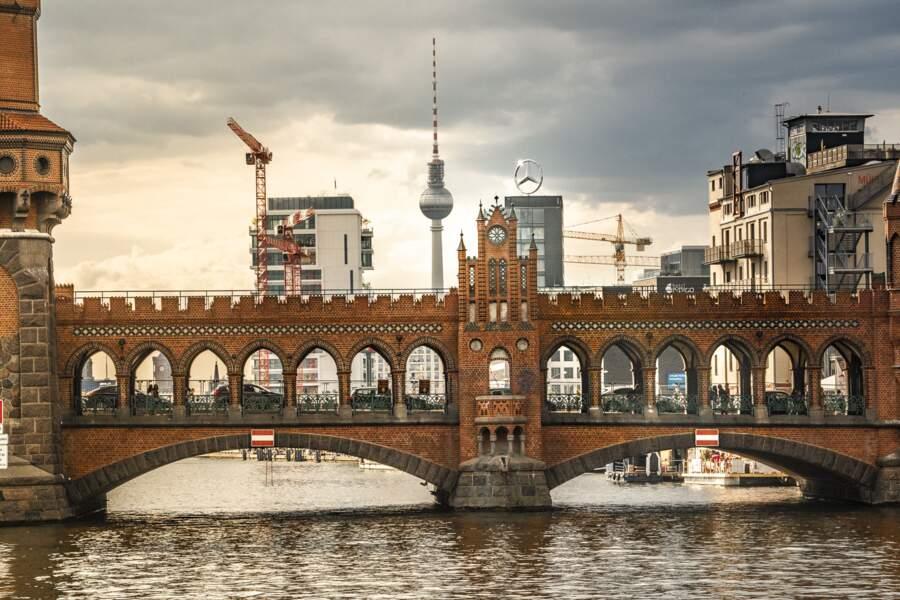
The bridge of remembrance
The neo-Gothic Oberbaumbrücke, which has existed since the end of the 19th century, is a symbol of renewed unity for the Germans. From 1961 to 1989, it was one of Berlin's eight border crossings.
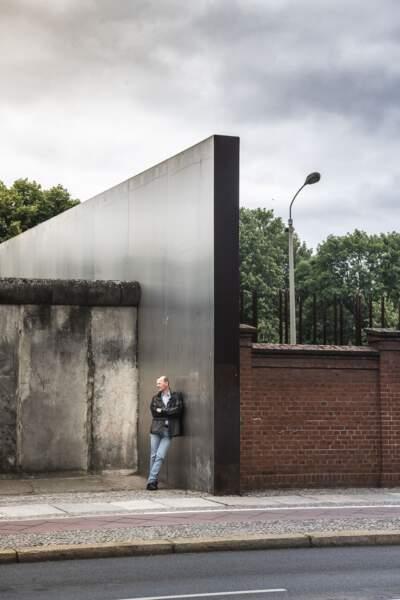
In its current state
The Wall Memorial on Bernauer Strasse is the only place where the demarcation line has been preserved as it was.
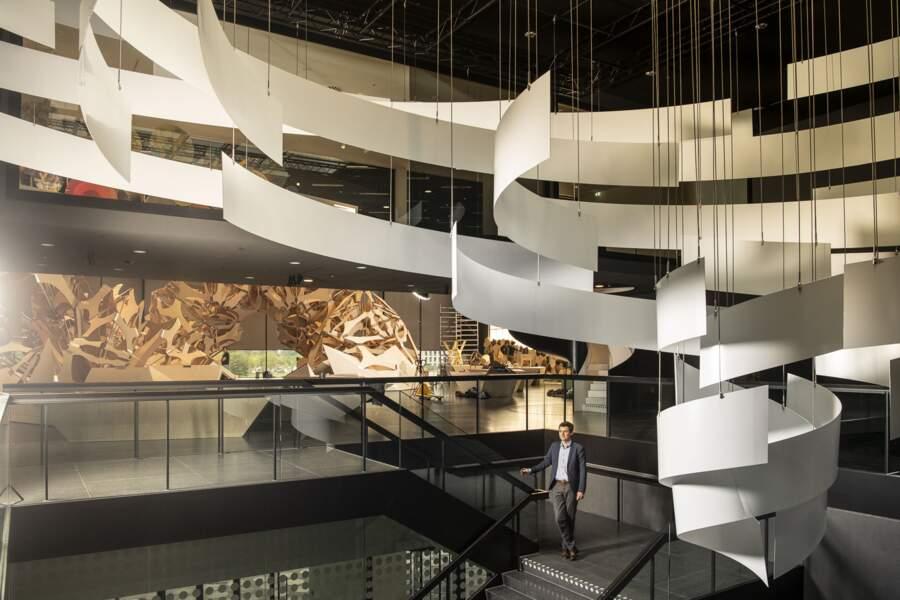
Museum of the future
Opened last September along the Spree, the Futurium invites the curious to explore the future of our planet.
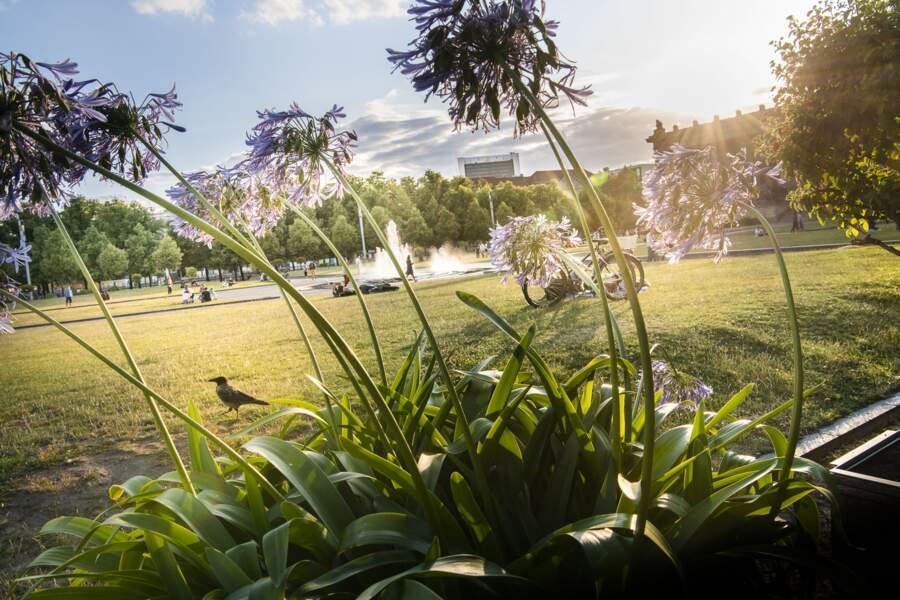
City campaign
Surrounded by the River Spree, the Museum Island offers a rural atmosphere in the heart of the city thanks to the Lustgarten: born in the 16th century and redesigned many times, this garden is one of the 2,500 green spaces in the capital.
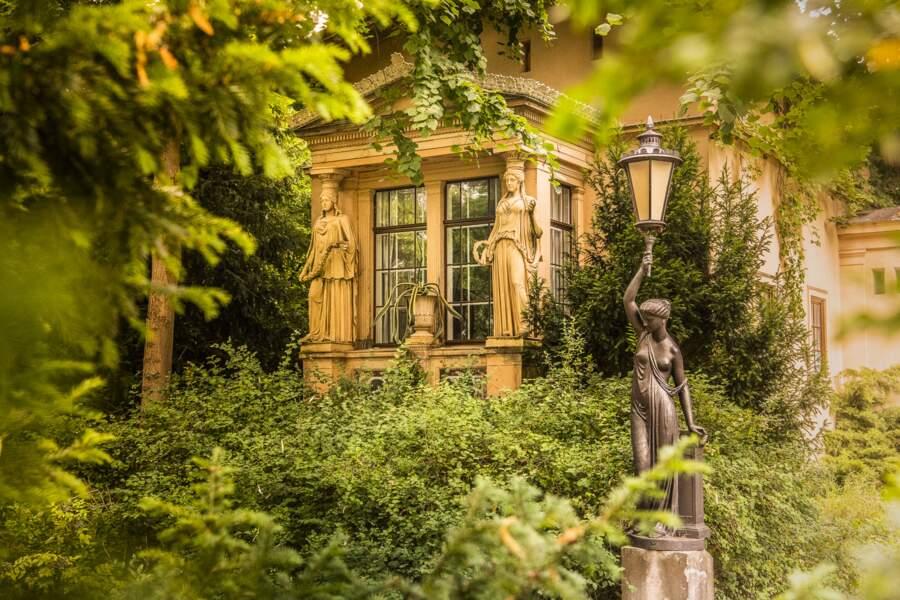
A touch of Italy
Glienicke Castle, an Italian-inspired villa, is located in the southwest of the city. It was built by Prince Charles of Prussia (1801-1883), who was an antique enthusiast.
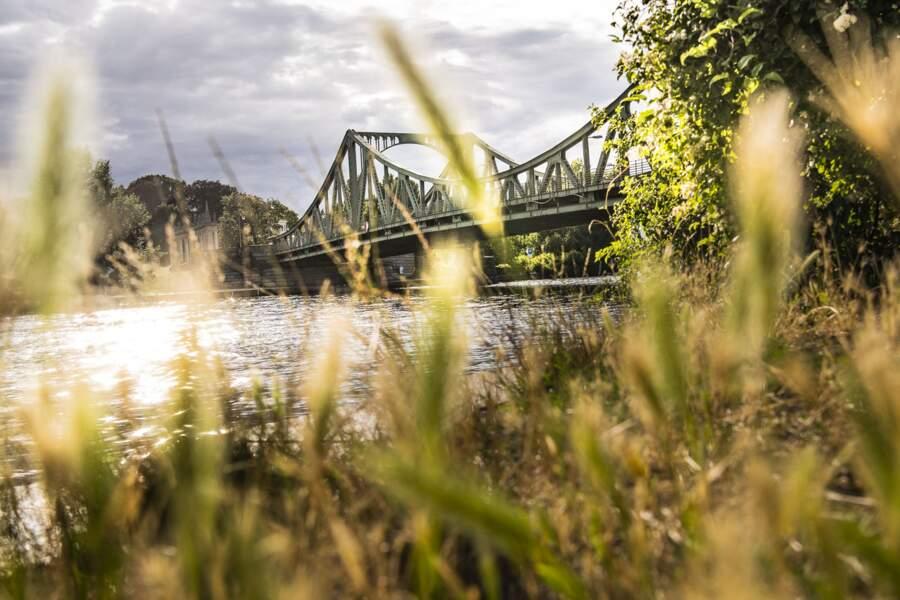
A meeting place for spies
Surrounded by greenery, the mythical Glienicker Brücke inspired Steven Spielberg to make the 2015 film Bridge of Spies. It was here that the KGB and CIA exchanged some 40 agents during the Cold War.
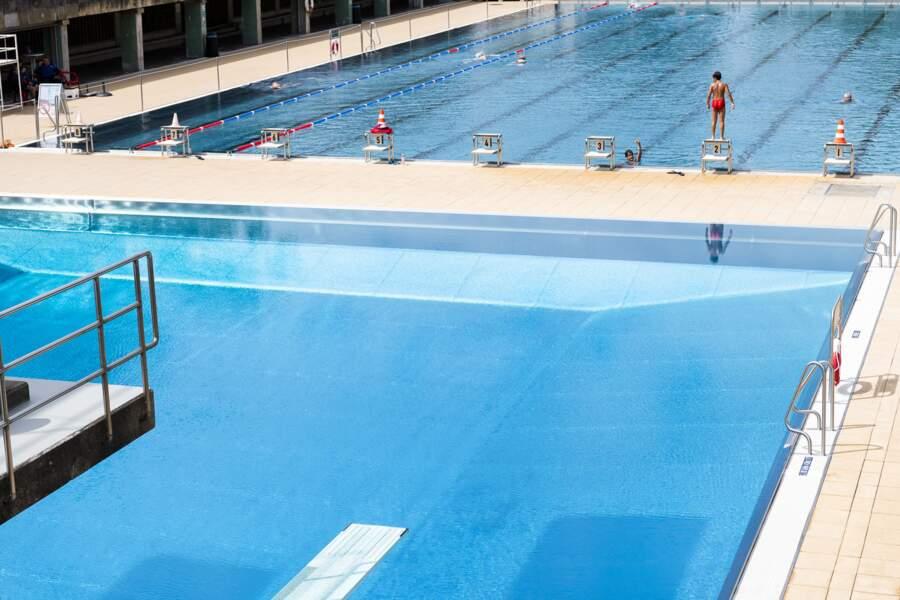
Olympic relic
This public pool was built for the 1936 Berlin Olympics. It is one of the few remnants of the Third Reich to have survived the bombing.
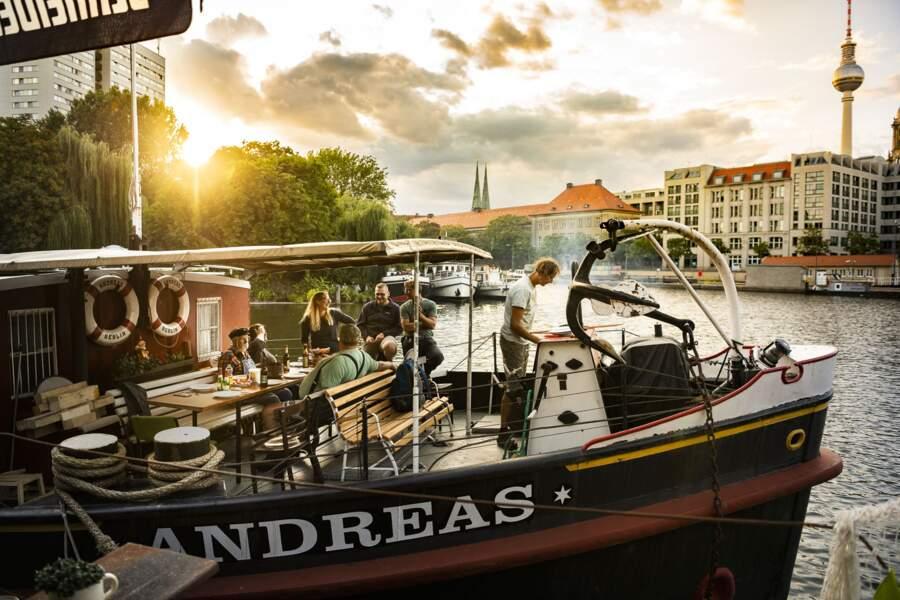
Steam time
The steamer Andreas, built in 1950, shown here at anchor, was saved from destruction by river navigation enthusiasts who formed an association in 1990, at the time of reunification.
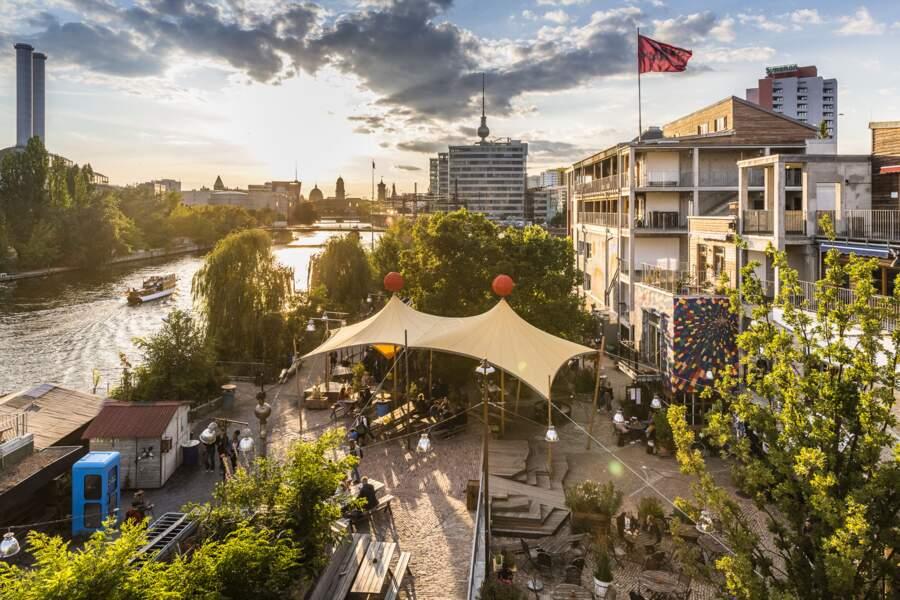
The banks are a little bit barmy
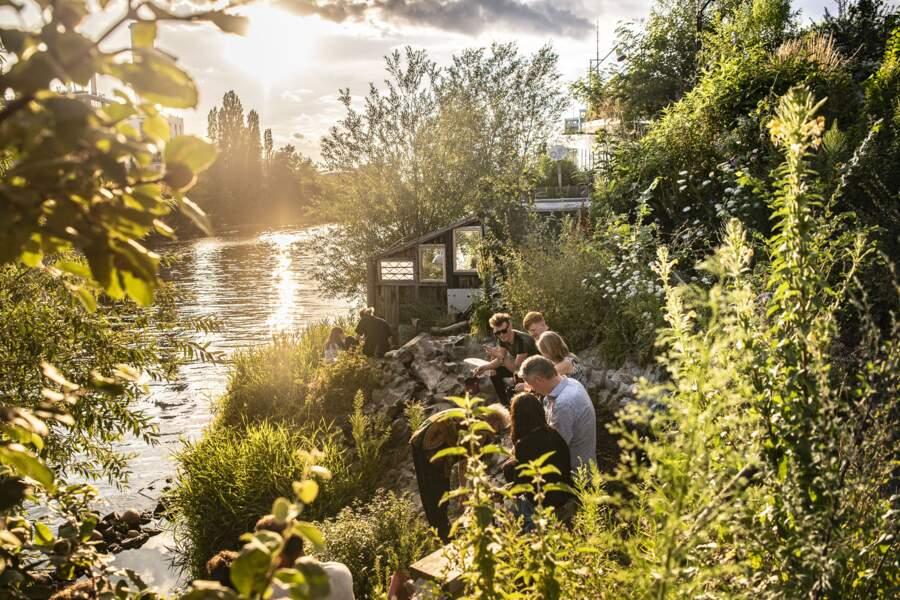
The Holzmarkt (literally "wood market"), an alternative "village" built in 2012 on a brownfield site on the eastern banks of the Spree, is very popular with Berlin's youth. There are artists' studios, a circus troupe, a restaurant, a concert hall, a yoga studio, organic bars and shops... And an artificial beach, where you can have a drink with your feet in the sand.
Life in green
Berliners party by the water at the Holzmarkt, surrounded by greenery. Their city is renowned for its nature: 40% of the city is taken up by parks, gardens and even forests.
To go further
Berlin, history continues, a report by Frédéric Thérin (text) and Jan Windszus (photos) published in the November 2019 issue of GEO magazine (n°489, November 2019).