- 1. Google Streetview showcases one of the greatest natural wonders
- 2. The crabs bring everyday life to a halt once a year
- 3. Now you can experience the crab migration on Google Streetview
- 4. The significance behind the crab migration on Christmas Island
- 5. The crabs cover the roads like a red carpet
Google Streetview showcases one of the greatest natural wonders
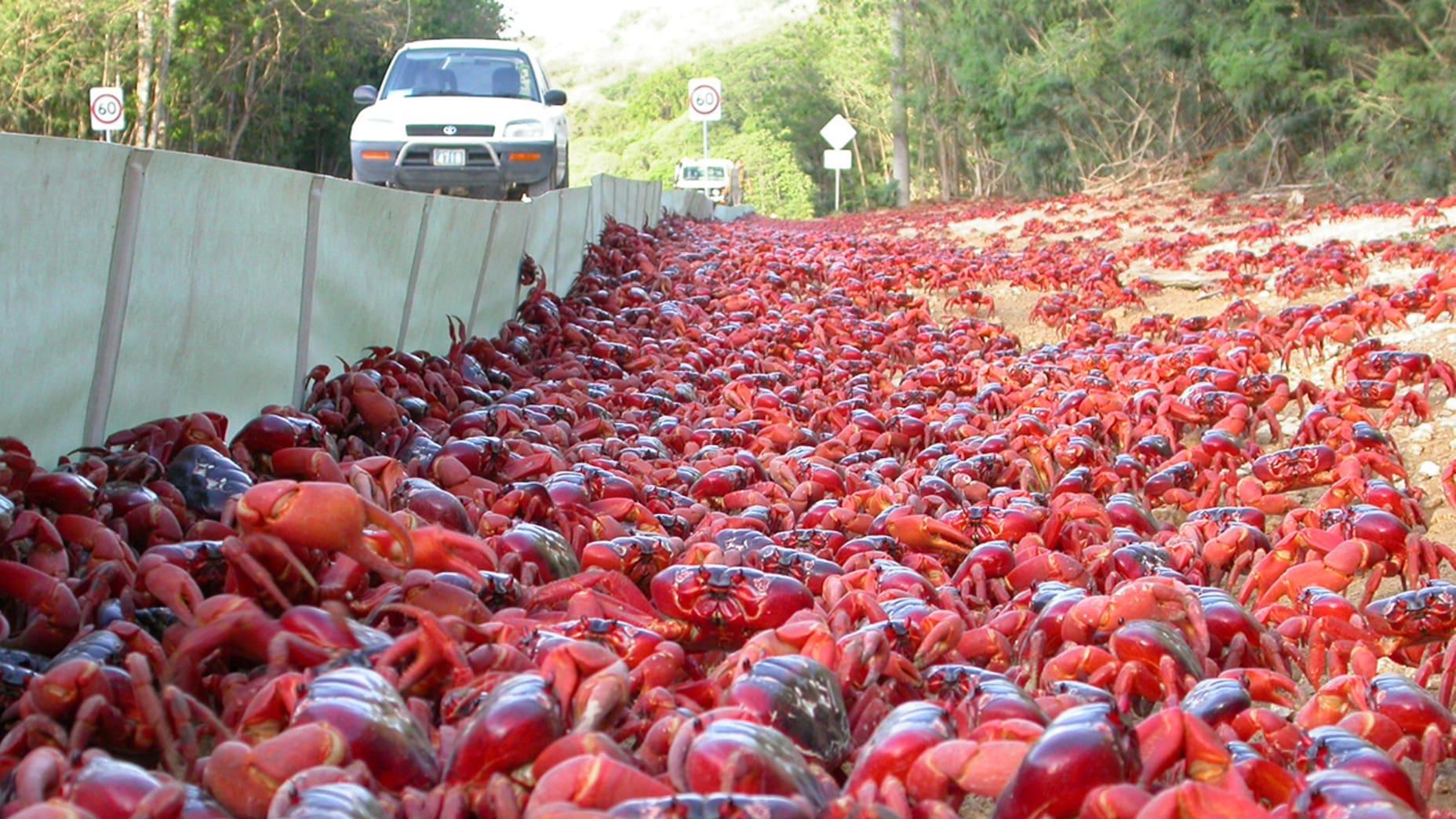
For British wildlife filmmaker David Attenborough, it is one of the 'greatest natural wonders on earth': the annual crab migration on Australia's Christmas Island. For many people, this wildlife spectacle on Australia's Christmas Island has become a bucket list item.
The crabs bring everyday life to a halt once a year
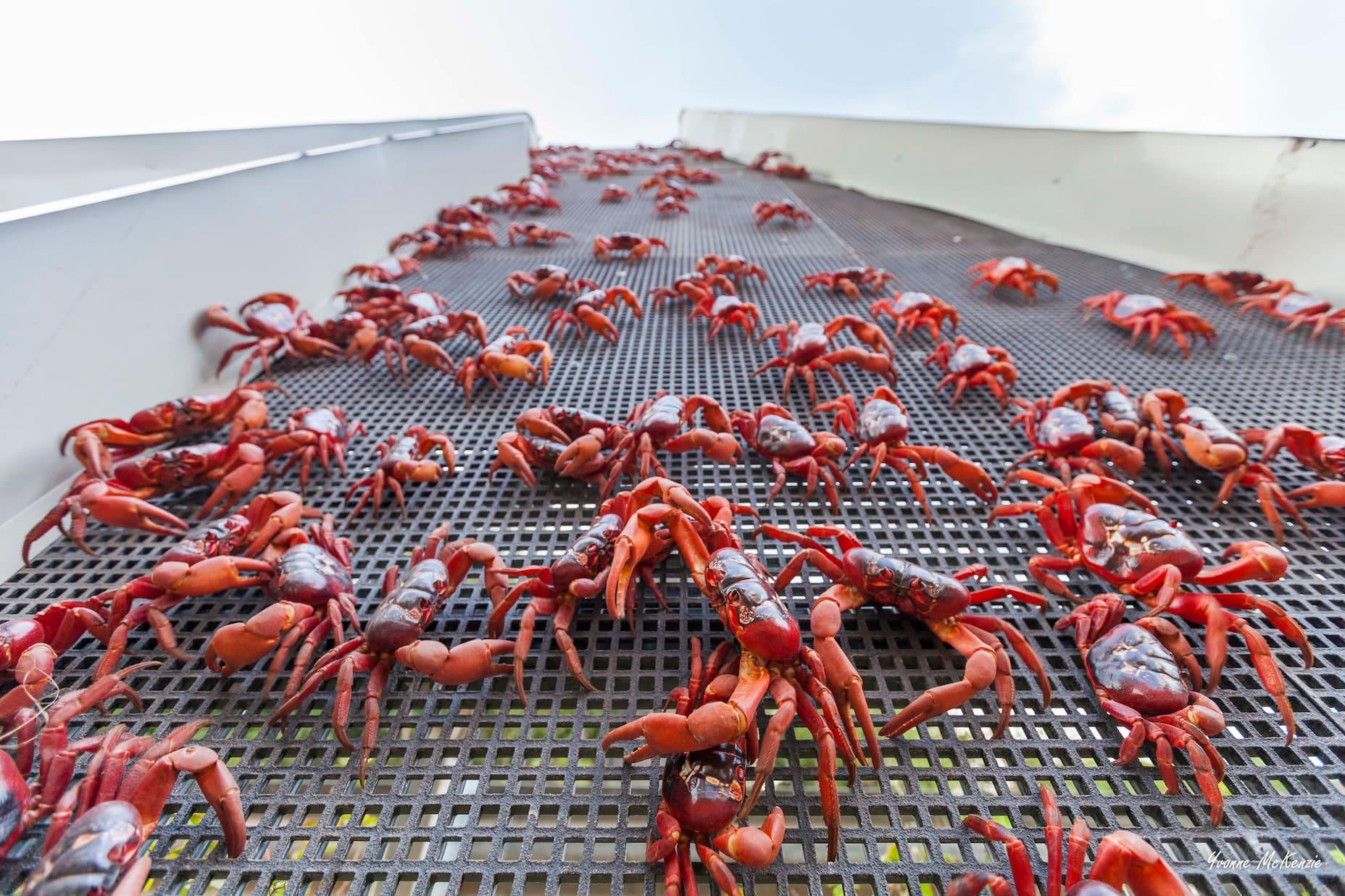
And that's no surprise. Because every year, 50 million red crabs on the island make their way to the sea to spawn. They block roads, flood golf courses, and bring everyday life to a halt. An impressive spectacle.
Every year, thousands of tourists flock to the remote island, located 2,600 kilometers northwest of Perth in the middle of the Indian Ocean, to witness this moment up close.
Now you can experience the crab migration on Google Streetview
Google has also taken notice of the red giant crabs. Last December, the company captured the spectacle with special cameras - and now it's online.
For a few days now, you've been able to take a virtual reality tour of the island, explore many regions of the island, and save yourself the expensive and complicated flight (only two flights per week from Australia to Christmas Island).
The significance behind the crab migration on Christmas Island
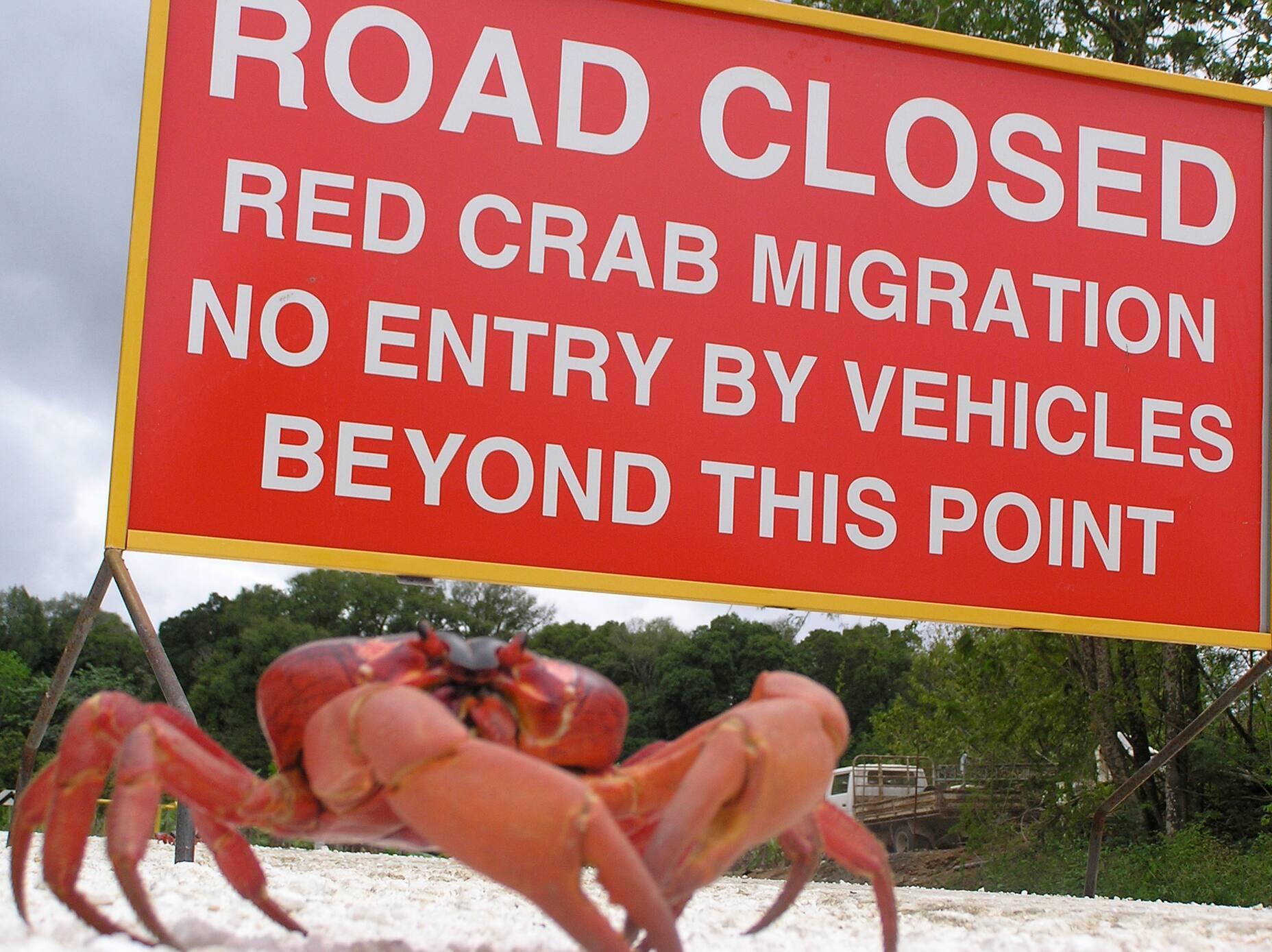
The annual migration is the most important event in the calendar for both the animal and human residents of Christmas Island. Not only because visitors from around the world flock to the tranquil island, but because the crabs, which have the right of way on roads, dictate everyday life even more than usual.
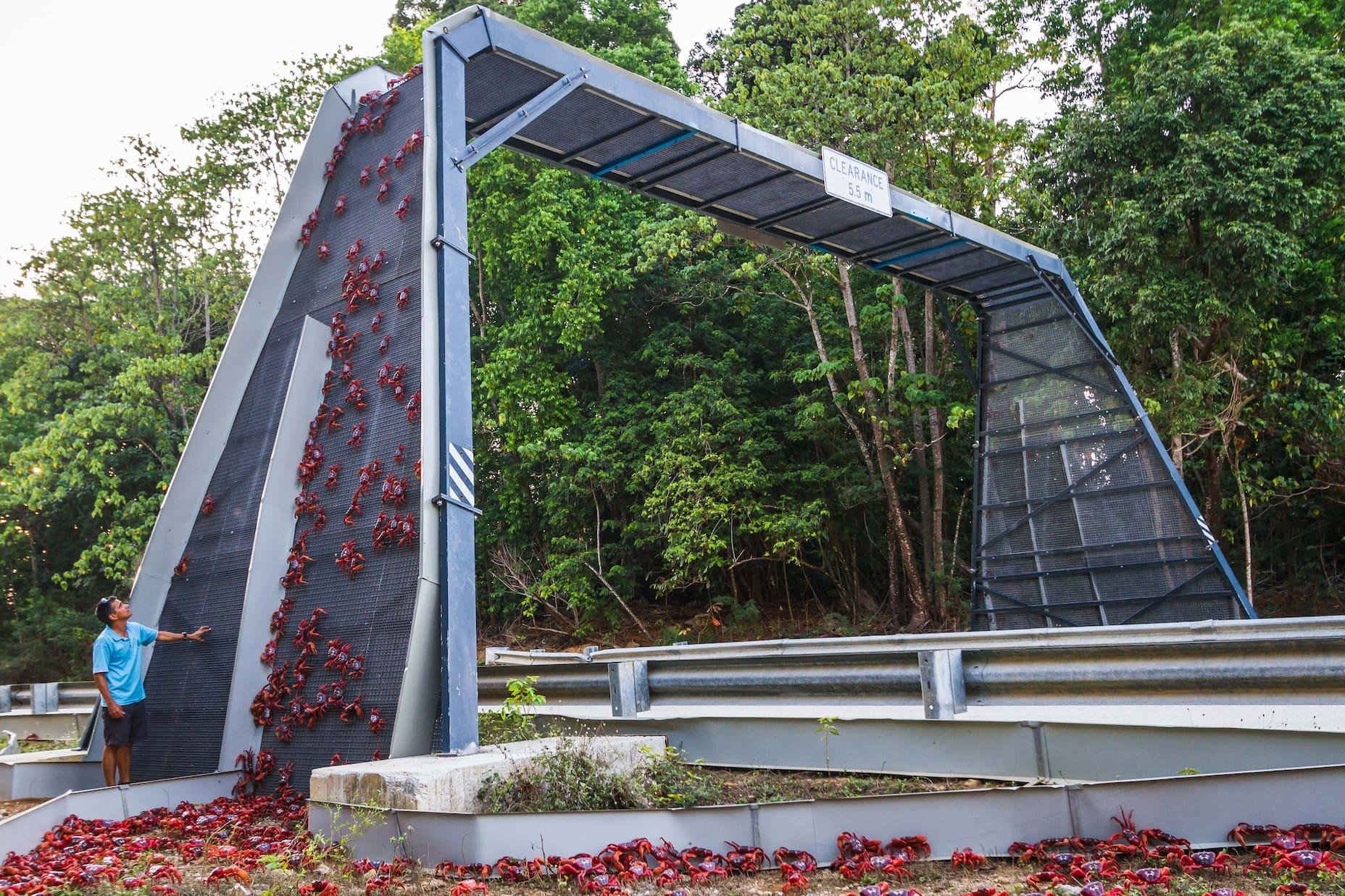
Weeks before the crab migration, Parks Australia erects countless barriers and bridges for the approximately four-inch creatures - these are meant to help the animals cross the island and reach the coast safely.
Once the official migration, which is linked to the rainy season and moon phases, begins around November this year, chaos ensues on the island. Because the approximately 50 million crabs take the most direct route possible from their nests in the rainforest down to the coast.
The crabs cover the roads like a red carpet
During their march to the sea, they traverse roads, the island's golf course, or the local school grounds. Here, the school bus must pull aside to avoid crushing any of the animals, and the school must also install accommodations to prevent crabs from marching through classrooms.
Some roads are completely closed during the migration, and the local radio station broadcasts regular 'crab traffic updates' so that the residents of Christmas Island know where large gatherings of the animals, which briefly cover the ground like a red carpet, are located.