The High Cost of Car Dependency
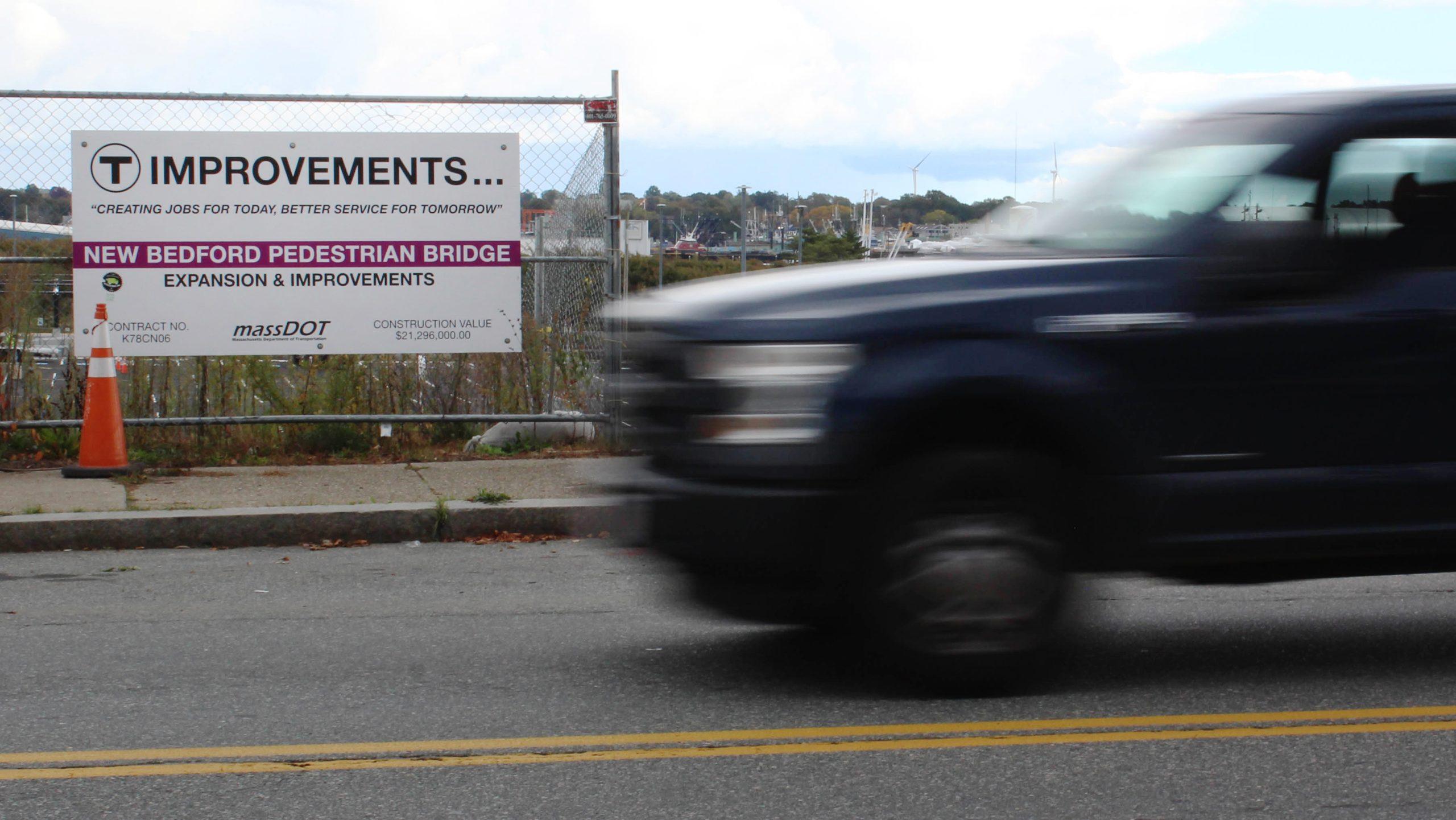
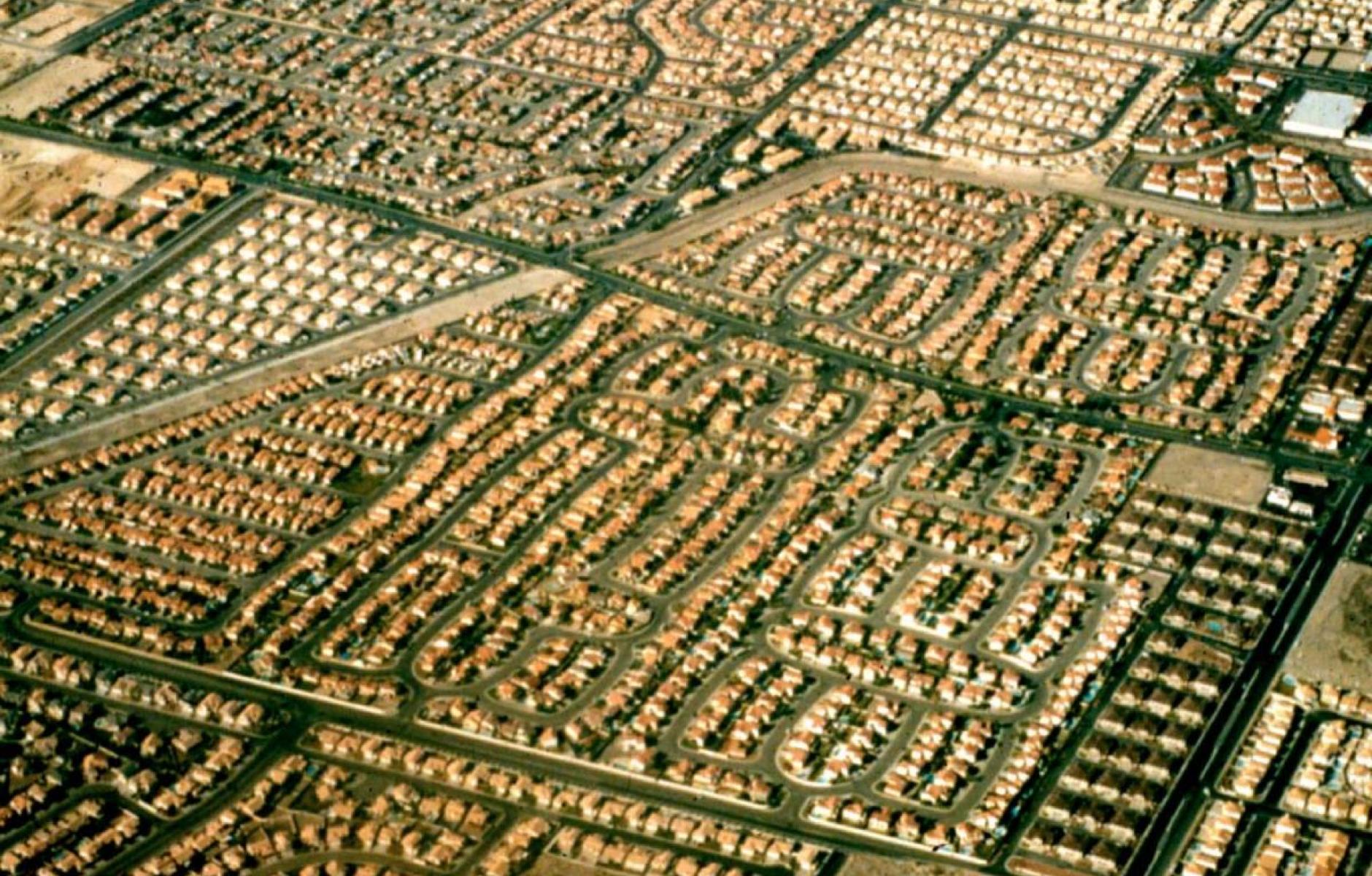
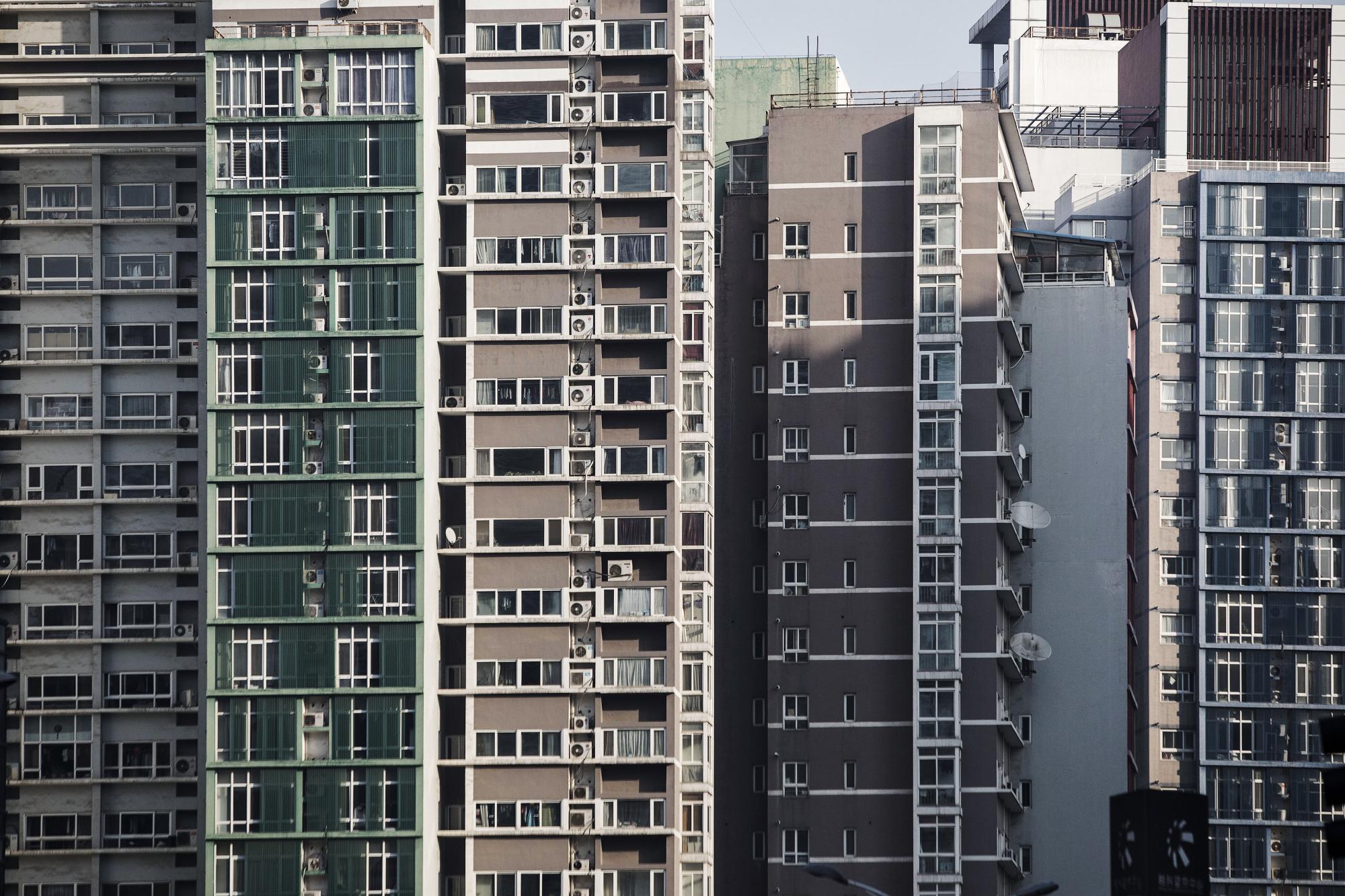
In the recent decade, an eye-opening trend has been observed in urban planning and household economics: transportation costs in car-dependent areas have surged nearly three-fold compared to those in compact, transit-oriented neighborhoods. This shift underscores the hidden expenses associated with living in sprawling suburbs, where residents are bound to their vehicles for daily commutes and errands.
Job Accessibility and Transit Connectivity
As cities expand outwards, the distance between homes, workplaces, and amenities increases. This phenomenon not only strains the wallets of commuters but also has wider environmental and social impacts. Access to jobs in sprawled regions often requires personal vehicle ownership, a costly prospect when considering fuel, maintenance, insurance, and the eventual replacement of the vehicle.
Revolutionizing Urban Traffic: The Case for Fewer Signals
Historical evidence and contemporary research suggest an unexpected yet effective approach for improving traffic flow and enhancing walkability: the elimination of unnecessary traffic signals. Experiences from cities like Philadelphia and Detroit show that a reduction in traffic signals can lead to improved traffic dynamics and a decrease in accidents.
Redefining Street Safety
Progressive thinkers like author Jeff Speck and street designer Ben Hamilton-Baillie are leading the charge on reimagining our urban landscapes. Advancements in Cedar Rapids, Iowa, demonstrate that replacing traffic signals with four-way stops not only benefits drivers—who experience less idle time—but also vastly improves pedestrian safety and city savings.
A Cost Beyond Dollars: Impact on Walkability
The installation of complex traffic systems was once seen as a necessary step toward managing growing vehicle use. Unfortunately, these developments often prioritized automobiles at the expense of other modes of travel. The consequences? Diminished safety, public health, and even local economies. The narrative is changing, however, as more professionals recognize the need for balanced transportation systems that accommodate all users.
Questioning Old Policies in Light of New Data
The previous "one traffic signal per 1,000 residents" rule of thumb is under scrutiny. With vehicle miles per capita decreasing and walkable cities on the rise, the one-size-fits-all approach to traffic management is proving obsolete.
Equity and Efficiency: The Future of Transit
Removing traffic signals at select intersections could advance equity and efficiency in urban areas. Such a move acknowledges the evolving nature of cities, especially as they reclaim their status as destinations not just for travel but for vibrant, everyday life.
A Synergy of Travel and Urban Design
The conversation over the cost of sprawl, the need for efficient transportation, and the potential for rethinking traffic signals isn't merely academic—it impacts everyone, from the casual traveler to the daily commuter. As cities become more navigable, without the stop-go frustration of excessive signals, they grow more inviting to visitors. For those who travel, the appeal of streamlined, walkable destinations contributes to the sense of exploration and comfort that can make a journey memorable. Ultimately, creating cities that prioritize people over cars not only saves residents thousands per year but also enriches the travel experience, making urban centers more than just waypoints—they become the heart of the journey itself.
Brisbane
Carolina Beach
Las Vegas
Edinburgh
Manchester
- Hotels In Salford Manchester
- Manchester Hotels With Free Parking
- Hotels Manchester Airport With Parking