Principles of human-scale communities
New Urbanism aims to foster meaningful places. It does so by reviving and adapting ideas and practices that were at the heart of American community-building from the 1600s to the Second World War. Instead of separating various uses, as conventional development has done for the past 70 years, New Urbanism tries to bring housing, shopping, employment, and other uses closer together, often mixing them. This makes it possible for people to reach more destinations on foot, to become less dependent on automobiles, and to enjoy convenient access to places where social life unfolds.
New Urbanism can be applied at a wide variety of scales, from a single building to a hamlet or neighborhood, to a metropolitan region. The basic building block of the community is the neighborhood, whose size usually is based the quarter-mile, the distance a person can walk in five minutes from the neighborhood’s center to its edge. Human scale is the standard for the proportions of buildings. The public realm is often designed to offer a sense of enclosure, by forming “outdoor rooms,” especially in the most intensely urban settings such as downtowns and centers of towns.
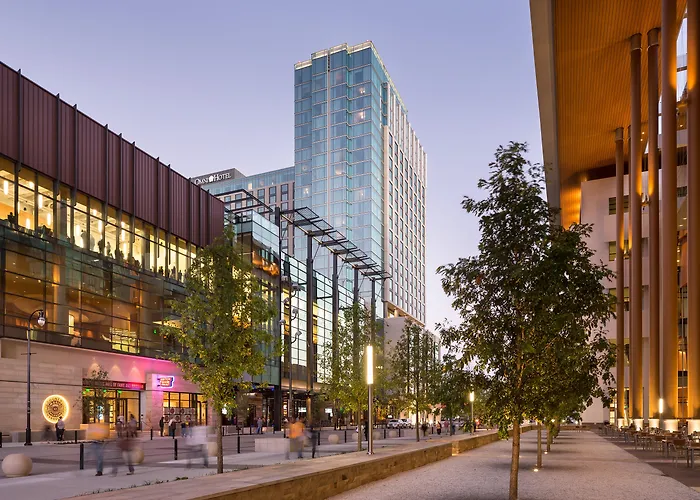
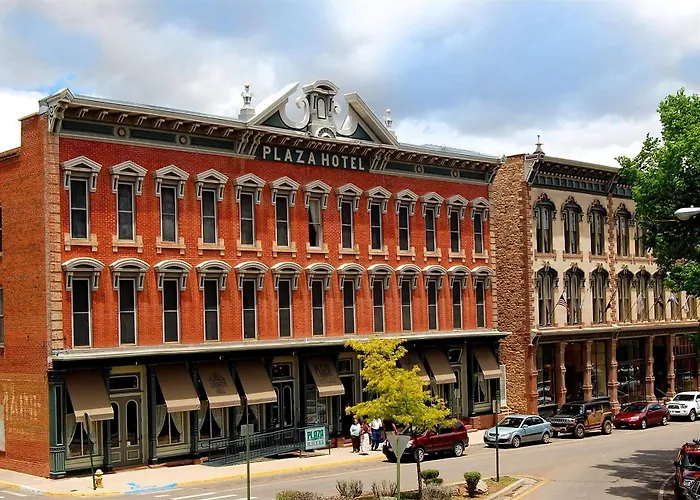
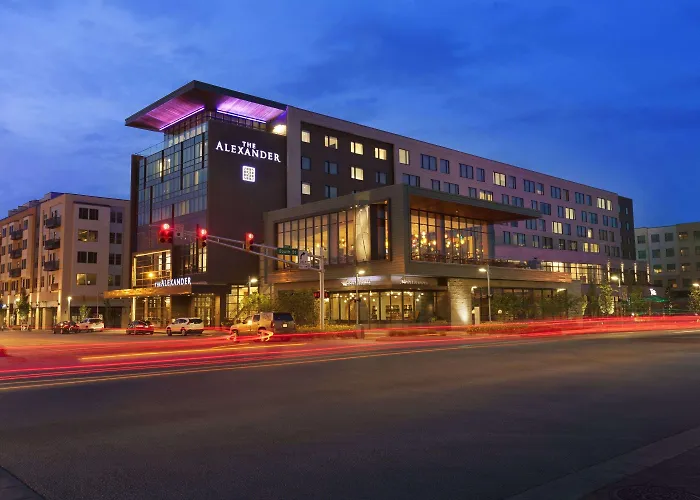
This chapter explains how human settlements are organized along a rural-to-urban Transect consisting of a series of zones, from the natural zone (T1) to the rural zone (T2), sub-urban zone (T3), general urban zone (T4), urban center (T5), and urban core (T6). Each zone has its own characteristics. The T5 urban center zone, for example, typically mixes uses — putting shops on the ground floor and offices or residential units above; the buildings usually come up to the sidewalks. New Urbanism pays close attention to blocks, since small blocks are crucial to walkable cities. How buildings address the street – what their “frontages” are like — also reflects the Transect zone.