The seven-day Mississippi Renewal Forum in mid-October, which created regional and local plans for redevelopment of 11 cities along 120 miles of coast devastated by Hurricane Katrina, was the most efficient and productive event I have ever witnessed or even heard about in recent times.
The plans are masterful, state-of-the-art visions.
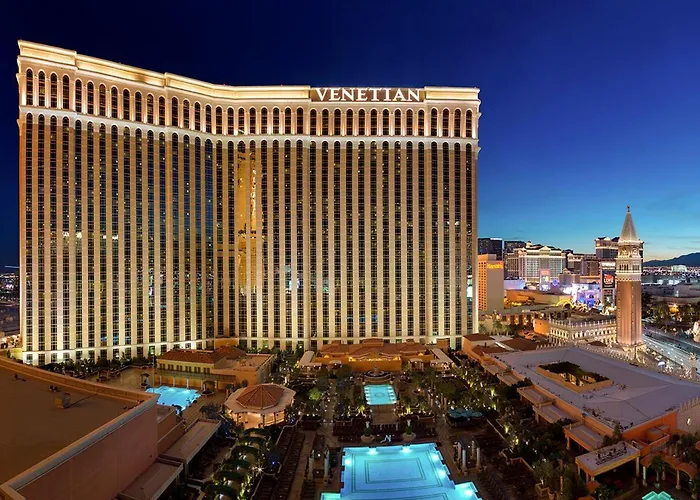
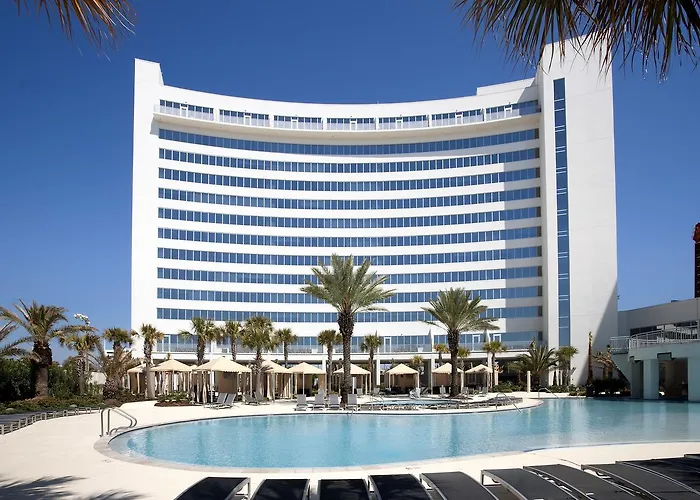
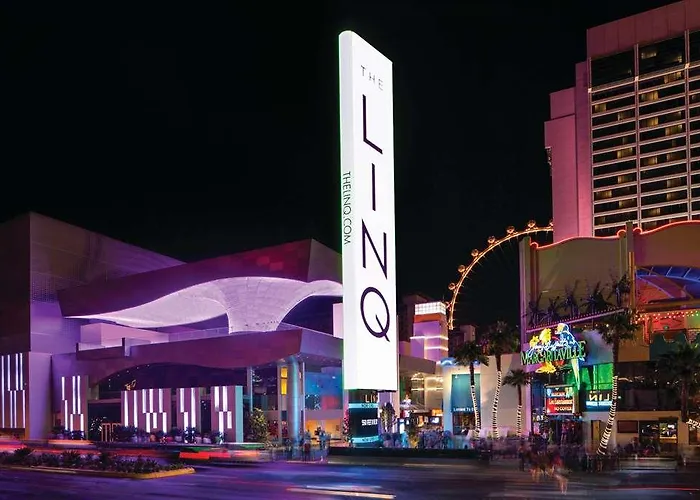
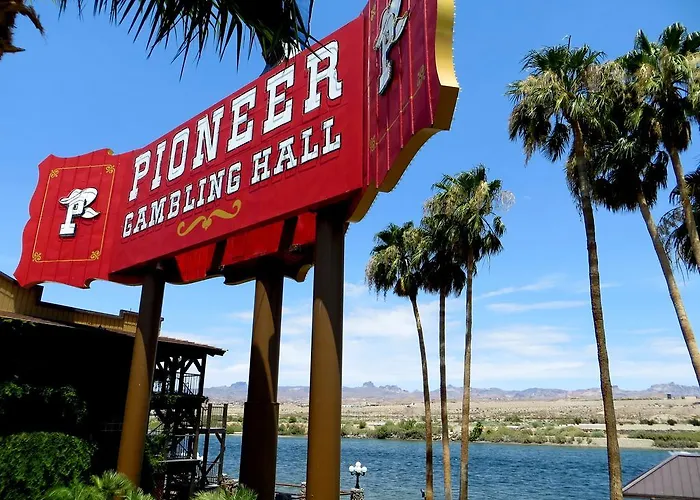
The prevailing concept of a casino — a windowless place closed off from its surroundings — is under assault in Mississippi. The Mississippi Renewal Forum urged that casinos on the Gulf Coast be rebuilt to a new standard as part of the recovery from Hurricane Katrina. Instead of being designed to keep visitors indoors from the time they arrive until they head home with empty pockets, casinos would be integrated into their cities or towns.
Until the Aug.
Of all the types of building frontages, the pattern known as dooryard and light court is the one demonstrating the greatest number of sophisticated variations. It was the model used in many neighborhoods, both elegant and modest, built during the flowering of American cities between the Civil War and WW I.
Hurricane Katrina destroyed property and lives in Mississippi. In the aftermath, step one was survival and rescue. The next steps were hard to imagine at first. Coastal cities such as Waveland, Pass Christian, and Bay St. Louis were as much as 70 percent destroyed.
CNU team members return to Mississippi.
While the Mississippi Renewal Forum achieved about as much as a weeklong planning event could possibly accomplish, participants realized that little would come of the charrette’s impressive plans, drawings, and tools if they were simply dropped in the lap of Mississippi officials.
Even under the best of circumstances, local leaders require ongoing support to keep development from taking the path set by existing separate-use zoning codes, supersized state infrastructure projects, and conventional sprawl developers.
New urbanist “mega-charrette” calls for boulevards, rail transit, mixed uses, and walkable neighborhoods in a devastated 11-city region.
The people of Mississippi’s Gulf Coast have begun taking a series of previously
unfathomable mental leaps, thanks to an extraordinary new urbanist charrette that captured the imagination of the region this fall.
Frontage is the general term for what happens in the space
between private buildings and public streets. The frontage includes all building and landscape elements forming the pedestrian experience. As explained in the previous installment of the Technical Page, there are at least eight frontage patterns that recur frequently and with considerable repetition of characteristics.
Towards the rural end of the Transect continuum, two ubiquitous traditional neighborhood frontages are the Common Yard pattern and the Porch and Fence pattern.
The benefits promised by New Urbanism spring directly from its emphasis on walking as the main way of moving through the world. Where places are made genuinely walkable, private vehicle mileage likely will be reduced and public transit will certainly be more viable. The convenience and interest of living at higher densities will more than make up for any annoyances.