Development

Content about real estate development

A rougher version of the French Quarter, Mobile plans resurgence

The Alabama city is poised for a new round of growth with construction of an Airbus factory, guided by a plan and code.

Downtown Wichita takes off

Master plan gives the city clear vision; Helps spur redevelopment at a torrid pace.

Return of the greenfield TND?

The three projects — in Richardson and Fort Worth, Texas, and Clovis, New Mexico — profiled in the accompanying article are all new, greenfield developments on a neighborhood scale.

Motor Row gets in gear

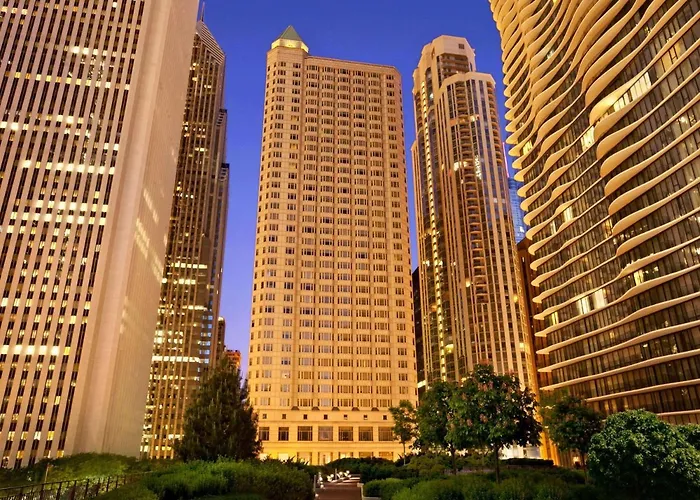
Chicago downtown residential population surged 36 percent in the last decade. The city handled 134,000 residential building permits, many in the Loop and the Near North Side, the two downtown neighborhoods that have experienced the most growth. Although much of Chicago is losing population, development downtown is busting out toward nearby neighborhoods, like the Near South Side. This area has big facilities like McCormack Place and Soldier Field and a smaller population than other parts of downtown, but it is revitalizing. Motor Row in the Near South Side, which has many old loft buildings and automobile showrooms from the early part of the 20th Century, has big development potential. The area is seeing significant public infrastructure investment, including $5.8 million in tax-increment financing funds for streetscape improvements, and improved connections between a soon-to-be-built transit station and McCormack Place, according to the Chicago Sun-Times.

Note: This article is from the April-May 2013 issue of Better! Cities & Towns.

Where sprawl still rules

For several years now, many of us have been predicting — or even celebrating — the end of the era of unfettered sprawl. That seems to be mostly true, but not entirely.

City as banker and venture capitalist

As we are growing the endowment that is our city, improving its overall wealth and prosperity, most of our investments need to be riskless, but a small fraction need to be high risk, high reward.

Don't get mixed-up on mixed-use

While mixed use has been embraced by citizens, politicians, and planners, it has held different meanings in different places. Let's explore those meanings.

Dissolving border vacuums, part 5

In previous posts we examined the border vacuums around transportation corridors, so now let's look at the border vacuums around institutional facilities and districts.

Why patient and sustainable neighborhood-building is so hard today

The public and private sectors each need to learn lessons from the ways most great old places developed because those ways are more sustainable and require less debt.

Bloomberg leads in historic preservation

Michael Bloomberg has added or extended more historic districts than any previous New York City mayor, according to an article in The Wall Street Journal. This policy has provided a counterpoint to an otherwise aggressive development approach, the Journal notes. Eyeballing the Journal's graphic, it appears that perhaps 10 percent of Manhattan is designated, but no more than 2 percent of the entire city. Preservation has played a key role in neighborhoods that have revitalized from Greenwich Village to SoHo to the Meatpacking District, according to the report. For a long time, the designations focused on Manhattan. But most of the designations in recent years have been in the other boroughs. While there is plenty of room for unrestricted new development, the historic designations are helping to preserve an aspect of the city that is appealing to residents and visitors alike.
Syndicate content