Welcome to Better Cities
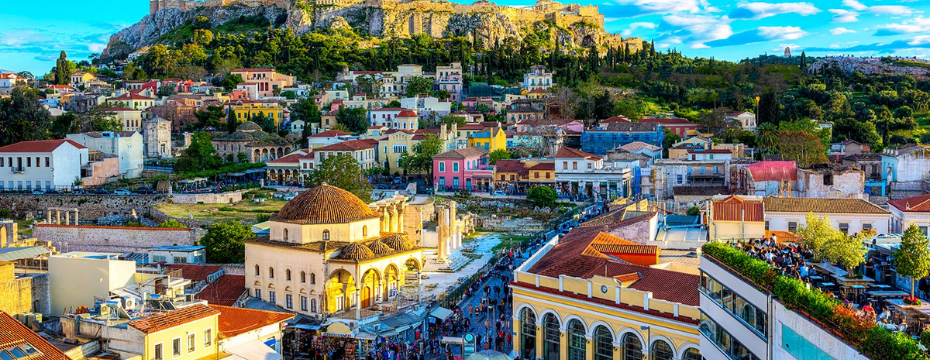
Discover the best city destinations for your next trip
Welcome to bettercities.net, your ultimate guide to exploring the best urban destinations around the world. Whether you're a seasoned traveler or a first-time adventurer, my blog is here to help you plan your next city escape.
From the bustling streets of New York City to the romantic canals of Venice, I won't say I'm a travel expert, but I've traveled almost all over the world to share with you the best tips, ideas, and tricks on how to make the most of your time in the world's best cities.
Discover with me the hidden gems, the must-see attractions, the most delicious places in cities and towns that will help you experience the true essence of each destination. If you are looking for adventure, you are definitely in the right place.
Our Partners
Our Latest Posts