Washington may have to grow upward
"There’s new momentum to relax federal building-height limits in the District, reopening decades-old debates about the look, feel and character of the city as well as whether the restrictions stifle economic growth," The Washington Post reports.

For a little over a century, Congress has limited most buildings in the capital to a height of 130 feet. Despite periodic complaints that the restriction produces squat, blocky buildings, the regulation has remained in place.
Under the Height Act, a building on a commercial street cannot be more than 20 feet taller than the width of the street it faces. On a residential street, buildings are generally allowed to be no more than 10 feet higher than the width of the street, to a maximum of 90 feet. The regulations have produced a degree of consistency not found in many other major American cities.
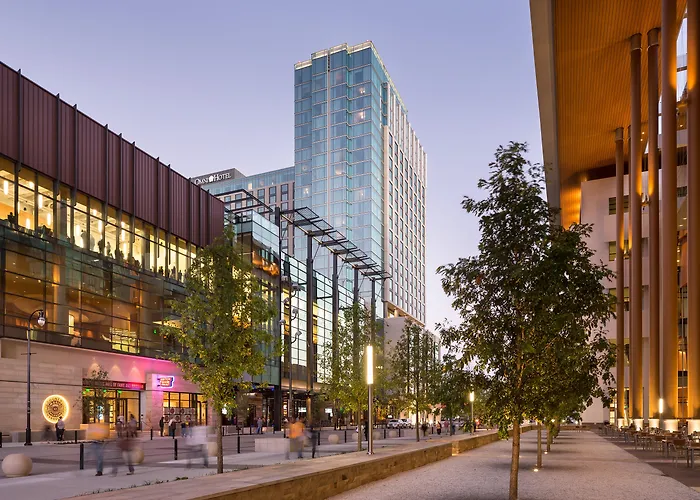
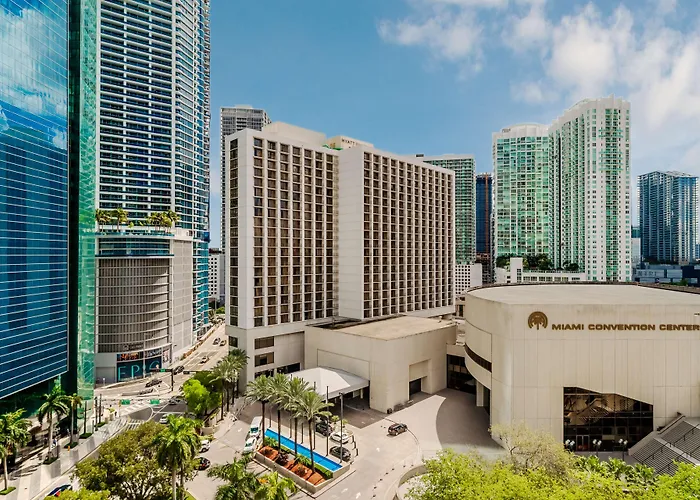
In 2010, Chris Leinberger, a visiting fellow at the Metropolitan Policy Program of Brookings Institution, argued that the rule produces "boring architecture" and should be relaxed. One of the current reasons for allowing taller buildings is that after the CityCenterDC mixd-use project and a convention center hotel are completed over the next two years, there will be no buildable land left in the downtown core, according to the Downtown Business Improvement District.
Witold Rybczynski, a writer on cities and architecture, told The Post that changing the rule could lead to disruption of the city's scale. Philip Kennicott, the paper's architecture critic, warned against changing the rule because in his view, City Council has a suspect relationship with local developers, which could lead to abuses.
For more in-depth coverage on this topic:
• Subscribe to Better! Cities & Towns to read all of the articles (print+online) on implementation of greener, stronger, cities and towns.
• See the March 2012 issue of Better! Cities & Towns. Topics: Traffic congestion, Zoning, DOT mainstreams livability, HUD's Sustainable Communities, Transit-oriented development, TOD tips, Form-based codes, Parking minimums, New classical town, Urban retail, James H. Kunstler, Placemaking and job growth, Maryland's smart growth.
• Get New Urbanism: Best Practices Guide, packed with more than 800 informative photos, plans, tables, and other illustrations, this book is the best single guide to implementing better cities and towns.
• See the January-February 2012 issue of Better! Cities & Towns. Topics: Value capture and transit, Social networks aid downtown, Live smaller, Rentals are market key, Streetcar inspiration, Box building, Civilizing suburbs, Alley houses, Sprawl repair, Healthy communities, Funding for infrastructure, Chicago River reversal.
• See the December 2011 issue of New Urban News. Wall Street and urbanism, streets to plazas, Sustainable Communities grants, Choice Neighborhoods, TIGER grants, buyers prefer smart growth, protecting historic buildings, public health and planning, redevelopment in Georgia, Ecovillages, parklets.


Comments