How Wall Street can transform the built environment
In order for our economy to recover, financiers need to understand the benefits of mixed-use, compact real estate development models.
University of Michigan professor and Brookings scholar Christopher Leinberger has been talking for a decade about the 19 standard real estate development products that contribute to an automobile-oriented environment. Until the recently, not many financiers paid much attention. Emily Badger wrote a piece for Atlantic Cities about these types:
“Most people get that the housing collapse precipitated the recession. But Leinberger laments that we haven’t been talking about which housing, or which real estate products. Now the downturn – and the accompanying construction hiatus – may give developers and their backers time to think about this.”
These products include the grocery anchored neighborhood center, suburban detched starter homes, big-box anchored power centers, multi-tenant bulk warehousing, self-storage facilities, and other single-use types.
“They reflect almost exclusively what investors have been willing to finance for the last 50 years. And as construction picks back up following the recession, Leinberger says we'll need to get away from every single one of them.” Badger reports.
There’s hope that transformation is beginning to take place.
Speaking at the new urban council in Montgomery, Alabama, this month, Texas planner Scott Polikov reported that new urban planning tools, such as form-based codes, can give Wall Street financiers an edge in portfolio diversification. Polikov says capital fund managers have expressed interest.
“I say it is time to go co-opt the system and educate the underwriting finance guys and gals about what it is going to take for them to take our neighborhood structure and diversify their risk profile to create a better investment strategy. A lot of people lost a lot of money, and I think we have one of the answers for them,” he says in a video interview with Ben Brown.
At the Congress for the New Urbanism in June it was reported that Wall Street is using Walk Score as an underwriting tool.
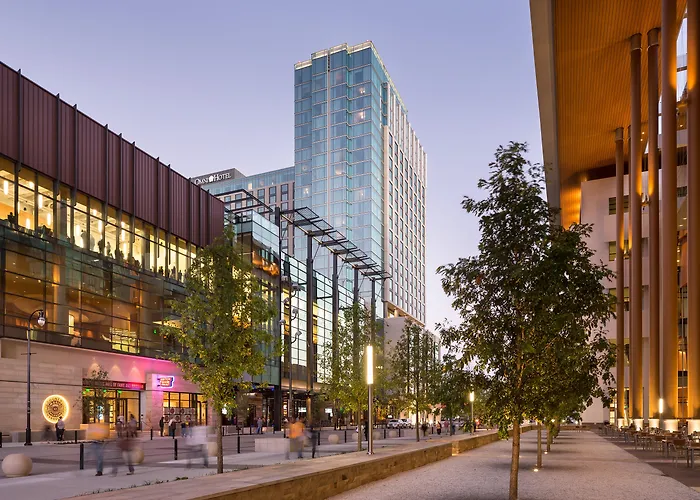
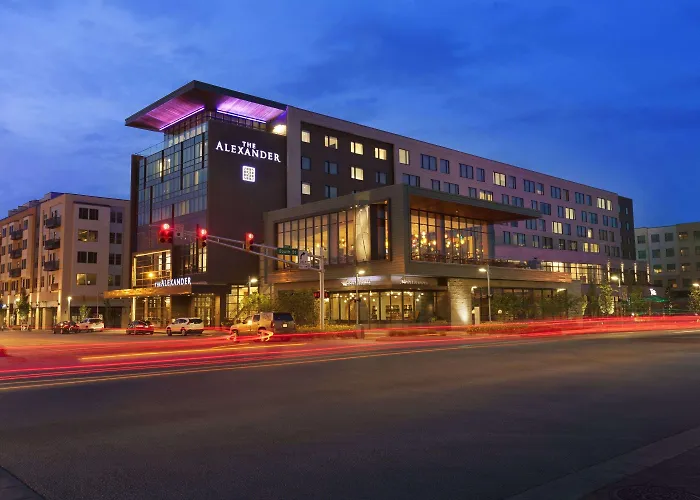
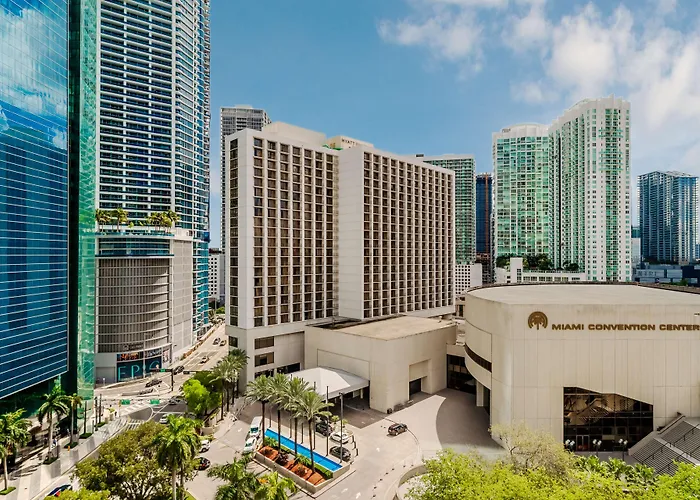
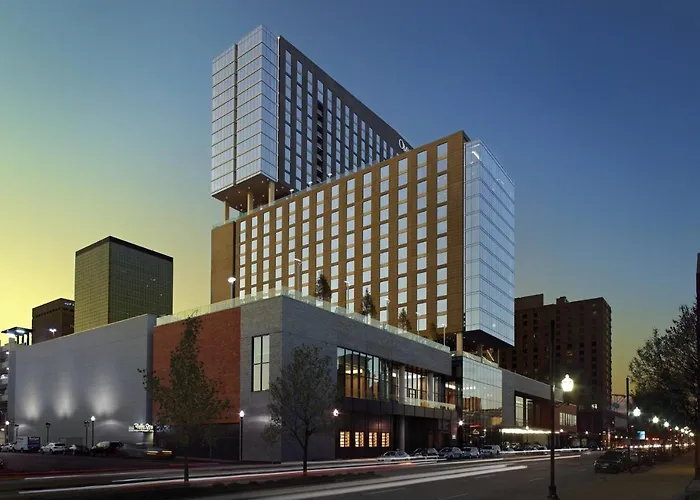
Washington, DC, “one of the few US cities largely immune to the real estate downturn,” provides a glimmer of hope, Badger reports. “Leinberger estimates that a good 90 percent of new development in the area has lately been planned for walkable, high-density living (see the makeover of Tyson’s Corner and the new Navy Yard development around the Nationals’ ballpark). These are the real estate products Leinberger believes we’ll need going forward: ground-floor retail with rental apartments on top, hotel/convention centers with condos above and a subway corridor below. These models may very well become standardized, too.”
We've always had standard real estate types, notes Leinberger. Main streets don't look that different from California to New Jersey. It's just that these mixed-use, compact types are more benign and meet the needs of today's market.
For more in-depth coverage on this topic:
• Subscribe to New Urban News to read all of the articles (print+online) on implementation of greener, stronger, cities and towns.
• Get New Urbanism: Best Practices Guide, packed with more than 800 informative photos, plans, tables, and other illustrations, this book is the best single guide to implementing better cities and towns.
• Get SmartCode Version 9 and Manual, the code book that is having the most impact on zoning reform nationwide, with expert commentary by Andres Duany.
• See the September 2011 issue of New Urban News. Topics: Walk Score, sprawl retrofit, livability grants, Katrina Cottages, how to get a transit village built, parking garages, the shrinking Wal-Mart, Complete Streets legislation, an urban capital fund, and much more.


Comments