Six Years Later: Katrina Cottages take hold

  • Connected

    Connected

    The Cottages at Oak Park, a short walk from historic downtown Ocean Springs, Mississippi. Courtesy of Ben Brown.

  • Affordable

    Affordable

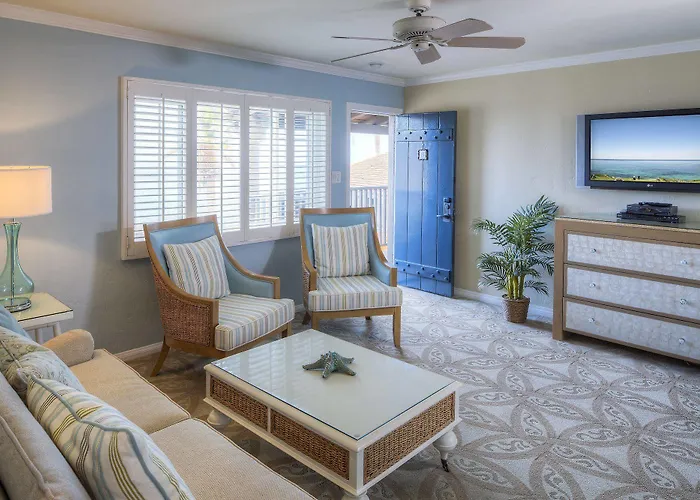
    Affordable housing with surprisingly solid detailing. Courtesy of Ben Brown.

  • Variety

    Variety

    A variety of sizes and configurations are offered, providing affordable options for everyone from singles to families. Courtesy of Ben Brown.

  • Bruce Tolar's Cottage Square

    Bruce Tolar's Cottage Square

    Courtesy of Ben Brown.

Ben Brown, New Urban Network

August 11 will be a landmark day in the South Mississippi communities still recovering from the 2005 mega-storm, Hurricane Katrina. And it’s about time.

On that day next week, 18 days shy of the sixth anniversary of the storm, the development team behind the Cottages at Oak Park in Ocean Springs, Mississippi, will host a ribbon cutting for 29 rental units that represent the latest evolution of an idea born in the Mississippi Renewal Forum following the storm.
Even before the grand opening, the Cottages at Oak Park are 25 percent leased. And it shouldn’t take long before the neighborhood fills up, joining the adjacent Cottage Square neighborhood in demonstrating the appeal of a comprehensive approach to community affordability. That was the not-so-secret-secret mission of the Katrina Cottage movement.

After disasters like Katrina, the spring floods and the recent killer tornadoes, replacement housing needs are severe. The push to immediately get people into some sort of shelter can conflict with another post-disaster hope, to build back better than ever. Katrina Cottages were conceived during the 2005 Forum in Biloxi to provide an alternative to FEMA cottages, offering emergency housing designed and built to transition to permanent dwellings. More importantly, from the “building back better than ever” perspective, the cottages could seed new neighborhoods of safe, appealing and affordable housing.

Ocean Springs architect Bruce Tolar pioneered the application of the idea with his Cottage Square model neighborhood, which has 15 Katrina Cottages or cottages inspired by Katrina Cottages on two infill acres within easy walking and biking distance from Ocean Springs’ historic downtown. I wrote about taking up temporary residence in the Square here.

Now comes the Cottages at Oak Park next door. And soon a similar project in Pass Christian farther west along South Mississippi’s Beach Boulevard.

What the new neighborhoods resolve, at least for this time and place, is the question of how to make the numbers work. Achieving all the interconnected goals — storm-worthy design and construction, curb appeal, sustainability, affordability and in-town convenience — requires collaboration.

Even when there were billions of dollars dedicated to affordable housing from the feds, the results — with the exception of programs like Hope VI — have been unpopular and costly to manage. Now, budget cuts are sure to restrict public sector investments even more.

Non-profits provide all sorts of help during emergencies. But even when they’re able to leverage a variety of funding sources, their resources fall far short of what’s necessary to scale up to meet community needs.

For the time being, at least, the private-sector housing market is skewed towards suburban-style single-family ownership through tax and infrastructure and mortgage financing subsidies. Infill parcels that hit targets of sustainability and affordability for cottage neighborhoods are often more costly to acquire and present more regulatory hurdles for construction. So private developers have a hard time reconciling risk and return on investment.

What made the Cottages at Oak Park work is a partnership. Private developers acquired the two-plus infill acres in Ocean Springs next to Cottage Square. FEMA, via a one-time-only Alternative Housing Pilot Program, and the State of Mississippi paid for the cottages. And Mercy Housing and Human Development and other non-profits provided program administration to connect the aims of post-Katrina housing policy with the developers’ business plan. Read about how the development team was organized here.

I’m convinced this big step in the advancement of the Katrina Cottage effort is significant beyond Coastal Mississippi. In an era of scant public dollars and nervous private-sector development, this sort of collaboration will be essential. It can be a key component of strategies to address the increasing challenges of matching community-worthy housing with the needs of an aging population and a workforce that can balance household budgets only by living closer to where they work, shop, send their children to school and enjoy the benefits of community life.

Keep in touch. We’ll have more on this topic as the Katrina Cottage pace picks up.

Ben Brown is principal, director of client public relations with Placemakers, a planning, coding, marketing, and implementation firm. This article was also published on PlaceShakers and NewsMakers.

Comments

Great model for others —you listening, Gulfport?

This is a great model on many levels. As Ben highlights, the developer team is the right mix of public agencies, private firms, and non-profits. Public money is a key in this demonstration project to show others in the private sector (as well as the general public) how good this looks and how it can work. The site in Ocean Springs, at the edge of the downtown, is perfect in terms of walkability and nearby services. Ocean Springs will reap many benefits from this development. Meanwhile, many other Gulf Coast cities languish yet reject Katrina Cottages. It seems Gulfport's city council foolishly regards Katrina Cottages as unfit for their fine community, which tragically remains damaged and underpopulated.

As good as the CNU renewal plans for the Gulf Coast were, the Katrina Cottages were really the best product of the Mississippi Renewal Forum. The Cottages take affordable housing out of the realm of academic theory, blend it with real structural integrity and then throw in a dash of architectural style. All for under $90,000.  Look at the photos — this could be a handsome row house in Charleston, Savannah, or New Orleans. Oak Park and Cottage Square have ten times the marketability, functionality, and economy of Brad Pitt's well-intentioned but misguided project in New Orleans. And in case the dean over at Tulane architecture is reading this, Katrina Cottages can be designed as modernist boxes that even the folks at Dwell would find commendable. So come on, Tuscaloosa, Joplin, and the other tornado strike zones, this is the answer to your mid-range housing crisis. The FEMA trailer sure won't be.