Stefanos Polyzoides profiled
Born in Greece 64 years ago, Stefanos Polyzoides fled political violence in his native land in the 1960s, and arrived in the US to study engineering, The Los Angeles Times reports in a profile of one of the six founders of the Congress for New Urbanism.
The profile, available here, includes these passages:
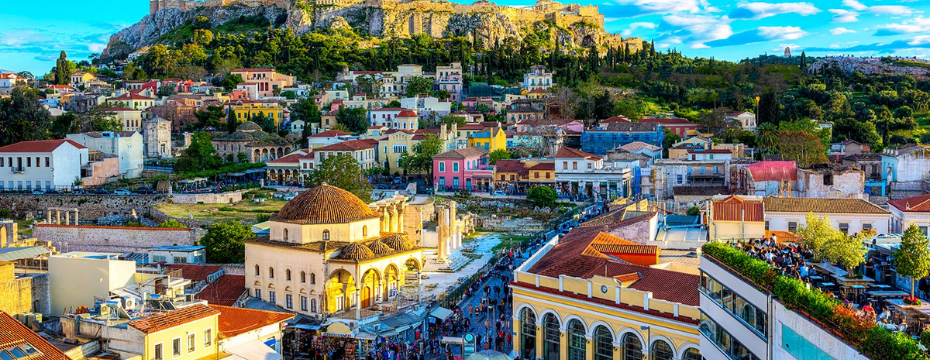
"'I grew up watching the city of Athens being absolutely destroyed through redevelopment,' Polyzoides said, 'from a beautiful city to an absolute jungle.' Moving to Los Angeles as a young man solidified the impulse: Here was a city of lovely little neighborhoods that was letting itself decay or be paved over, even as its suburbs were sprawling for more than 100 miles."
"Polyzoides believes that architecture should not just be about who can design the fanciest or wildest-looking building. If human beings have the obligation to leave the world a better place than they found it, designing the buildings and communities in which we live can play a huge part. 'Architecture is not an aloof and isolated subject,' he said. 'It belongs to a very time-honored human enterprise of building cities and coming to grips with nature. If you see architecture that way, it is never isolated. It is never insulated. It is never a subject by itself.'"
On New Urbanism and its achievements, The Times says: "All those suburbs that decided to put in little downtowns and walkable areas? The whole loft thing? Infill development that puts condos in empty lots instead of sprawl out in the exurbs? Credit Polyzoides, his wife, Elizabeth Moule, and a small group of colleagues for co-founding the influential movement — and Polyzoides for giving it a name."
The Pasadena-based firm of Moule and Polyzoides Architects and Urbanists is now "working on a new plan for downtown Fresno, along with a plan for 7,000 acres of neighborhoods around the downtown area," The Times notes. "They're doing another plan for the portion of East Los Angeles that is under the jurisdiction of L.A. County. They're also designing a new residence hall for Scripps College in Claremont."