CNU
Rainwater-in-Context: An Interview with Paul Crabtree and Lisa Nisenson
CNU’s Erika Strauss recently interviewed Paul Crabtree and Lisa Nisenson, leaders of CNU’s Rainwater-in-Context Initiative, to catch up after CNU21 and hear what they have to say about the recent developments in the delayed EPA stormwater regulations.

Erika Strauss (ES): I know you’ve been working with the EPA to develop new stormwater regulations, which have been further delayed. What is the status?

Neighborhood Character vs. Diversity
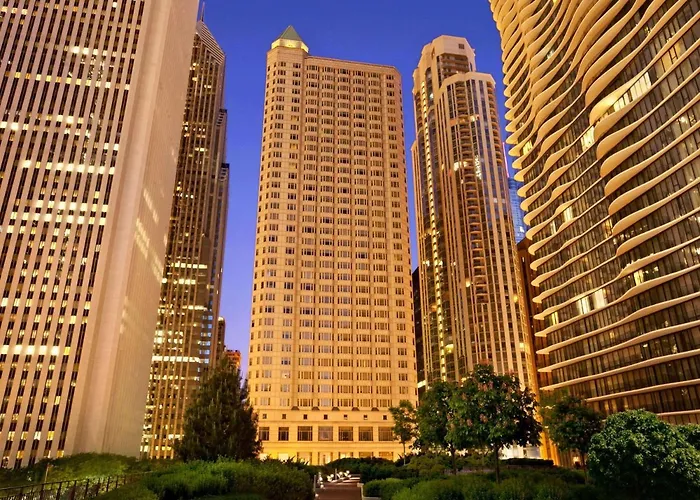
The conventional zoning wisdom is that all structures in a neighborhood should have the same density, in order to preserve "neighborhood character." So even in mixed-use urban areas, this sort of zoning leads to a kind of monoculture: high-rises attract high-rises, low-rises attract low-rises.
A (Possible, Partial) Myth About Suburban Poverty
A recent blog post commenting on the growth of suburban poverty has the headline: "As Cities Prosper, Poor Move to Suburbs." The headline seems to imply a simple story: poor people priced out of the city are moving to suburbs. (In fairness, the story itself is much less simplistic). But it seems to me that there are a variety of other possible explanations for the growth in suburban poverty:
Safe Cycling in South Lake Tahoe: Making Bicycle Education a Part of the Solution
Designing a Neighborhood within a Neighborhood: A Book Review of Pocket Neighborhoods: Creating Small-Scale Community in a Large
HIGHWAYS TO BOULEVARDS BLOG: McGrath Highway, Boston
This post is a part of CNU’s Highways to Boulevards Blog series, which features interview summaries and insights from some of the best minds at the frontline of our Highways to Boulevards Initiative.
Another Way To Measure Car Dependence
I got into an argument on Twitter about how widespread car ownership was in NYC's outer boroughs, which in turn caused me to go to city-data.com to answer the question: how do you measure how many people own cars, anyhow? The City Data website has data not just for cities and counties, but for individual neighborhoods within a city. In particular, the site gives data for household size and for the number of cars per household.
Urban Freeway Removal in Texas: "A New Dallas" Aims to Tear Down IH 345
As the third most populous city in Texas, Dallas is not necessarily known for its minimalism. The metropolitan area is home to a billion-dollar football stadium, one of the world's busiest airports, and, of course, Big Tex.
Nature & Urbanism: City Creek Center as Biodiversity Engine?
Please read and post comments on my blogs original site as well. There I have more design tools to create a better format. Thanks!
A Dangerous Ride: Why Melbourne’s Bike Lanes Are Not Promoting A Sustainable Commute
Environmental Law and Road Widening: A New Ruling in Wisconsin
A federal district court in Wisconsin recently ruled that Wisconssin highway officials failed to prepare an adequate environmental impact statement about a proposed highway widening in Milwaukee.
CITY SPOTLIGHT: The New Urbanist Renaissance of Downtown Redwood City
This post is part of our CITY SPOTLIGHT blog series. City Spotlight shines a light on the latest news, developments and initiatives occurring in cities and towns where CNU members live and work.
Evidence That Gentrification is Overrated
A recent article in Better Cities points out that while some transit-heavy neighborhoods in Chicago became more expensive (especially those on Chicago's north side) "transit sheds" in Chicago's south and west shed actually lost value relative to the region as a whole. In other words, rich intown neighborhoods are getting pricier, but poor ones are actually losing value.
Does Urban Agriculture Have a Real Future in San Francisco, California?
Starchitects and The Bilbao Effect: New Urbanism's Role
The employment of “starchitects” in modern cities has seen a drastic change over the past few decades.